

In recent years, the concept of green building has gained significant traction as the world becomes more environmentally conscious. Green building aims to minimize the environmental impact of construction projects while maximizing energy efficiency and occupant well - being. As an Aluminum I Beam supplier, I am often asked whether Aluminum I Beams can be used in green building projects. In this blog, I will explore the viability of using Aluminum I Beams in green construction and discuss their advantages and limitations.
1. Characteristics of Aluminum I Beams
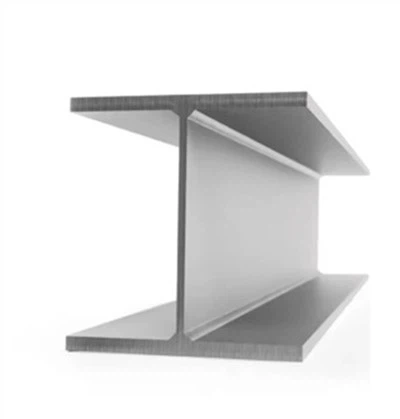
Aluminum I Beams are structural elements with an I - shaped cross - section made from aluminum. They possess several key characteristics that make them an interesting option for construction projects.
Lightweight
One of the most prominent features of Aluminum I Beams is their low density. Compared to traditional steel beams such as Stainless Steel I Steel and Carbon Steel I Steel, aluminum is significantly lighter. This lightweight nature reduces the overall weight of the building structure, which can lead to several benefits in green building projects. For example, less energy is required for transportation of the beams to the construction site, and the foundation of the building can be smaller and less resource - intensive, as it does not need to support as much weight.
Corrosion Resistance
Aluminum has a natural oxide layer on its surface that provides excellent corrosion resistance. This means that Aluminum I Beams can be used in harsh environments, such as coastal areas or industrial settings, without the need for extensive protective coatings. In green building, reducing the use of chemical coatings is beneficial as it minimizes the release of volatile organic compounds (VOCs) into the environment during the construction and maintenance phases.
Recyclability
Aluminum is one of the most recyclable materials in the world. Recycling aluminum requires only about 5% of the energy needed to produce new aluminum from bauxite ore. This high recyclability rate makes Aluminum I Beams a sustainable choice for green building projects. At the end of the building's life cycle, the Aluminum I Beams can be easily recycled and reused in other construction projects, reducing the demand for virgin materials and minimizing waste.
2. Advantages of Using Aluminum I Beams in Green Building Projects
Energy Efficiency
As mentioned earlier, the lightweight nature of Aluminum I Beams reduces the energy consumption during transportation. Additionally, in the building's operation phase, the reduced weight of the structure can lead to lower energy requirements for heating, cooling, and ventilation systems. Since the building's envelope does not need to support as much weight, it can be designed with more energy - efficient materials and systems. For example, larger windows can be installed to allow for more natural light, reducing the need for artificial lighting and thus saving energy.
Design Flexibility
Aluminum I Beams offer greater design flexibility compared to some traditional building materials. They can be easily fabricated into various shapes and sizes, allowing architects and designers to create innovative and energy - efficient building designs. For instance, curved or angled Aluminum I Beams can be used to optimize the building's orientation for solar gain, which is an important aspect of passive solar design in green buildings.
Durability and Low Maintenance
The corrosion resistance of Aluminum I Beams means that they have a long service life and require minimal maintenance. This reduces the need for frequent repairs and replacements, which in turn saves resources and energy over the life of the building. Moreover, the low - maintenance nature of Aluminum I Beams also reduces the amount of waste generated during the building's operation.
3. Limitations of Using Aluminum I Beams in Green Building Projects
Higher Initial Cost
One of the main drawbacks of using Aluminum I Beams is their relatively high initial cost compared to carbon steel beams. The production process of aluminum is more energy - intensive than that of steel, which contributes to the higher price. However, it is important to consider the long - term benefits of using Aluminum I Beams, such as lower maintenance costs and energy savings, which can offset the initial investment over time.
Lower Strength - to - Weight Ratio in Some Applications
Although Aluminum I Beams are lightweight, they have a lower strength - to - weight ratio than some high - strength steel beams in certain applications. This means that in large - scale, high - rise buildings or structures that require extremely high load - bearing capacity, additional Aluminum I Beams may be needed, which could potentially increase the cost and material usage. However, for smaller - scale and low - rise green building projects, Aluminum I Beams can still provide sufficient strength.


4. Case Studies of Aluminum I Beams in Green Building
There are several examples of successful use of Aluminum I Beams in green building projects around the world. For instance, a small - scale eco - friendly office building in a coastal area used Aluminum I Beams for its structural frame. The corrosion resistance of the aluminum beams allowed the building to withstand the salty air without any signs of corrosion over several years. The lightweight nature of the beams also enabled the installation of large, energy - efficient windows, which significantly reduced the need for artificial lighting. Another example is a sustainable residential building that utilized Aluminum I Beams in combination with other sustainable materials. The design flexibility of the Aluminum I Beams allowed for a unique and energy - efficient layout, with the beams being shaped to optimize solar exposure.
5. Conclusion
In conclusion, Aluminum I Beams can be a valuable option for green building projects. Their lightweight, corrosion resistance, recyclability, and energy - saving potential make them a sustainable choice in many applications. Although they have some limitations, such as higher initial cost and lower strength - to - weight ratio in certain cases, the long - term benefits often outweigh these drawbacks.
If you are considering using Aluminum I Beam in your green building project, I encourage you to contact me for more information and to discuss your specific requirements. I am committed to providing high - quality Aluminum I Beams that meet the needs of sustainable construction. Whether you are an architect, a builder, or a project developer, I look forward to the opportunity to work with you on your next green building project.
References
- Kibert, C. J. (2016). Sustainable Construction: Green Building Design and Delivery. Wiley.
- Ashby, M. F. (2013). Materials and the Environment: Eco - informed Material Choice. Butterworth - Heinemann.
- International Aluminium Institute. (2020). Aluminium Recycling: A Global Success Story.