

Hey there! As a supplier of Aluminum Angle Bars, I often get asked about the machinability rating of these products. So, I thought I'd take a moment to break it down for you.
First off, let's talk about what machinability means. Machinability refers to how easily a material can be cut, shaped, or otherwise worked on using machining processes like turning, milling, drilling, and grinding. A high machinability rating means the material is relatively easy to machine, while a low rating indicates it can be more challenging.
Now, Aluminum Angle Bars are known for their excellent machinability. Aluminum, in general, is a soft and ductile metal, which makes it a breeze to work with. When it comes to our Aluminum Angle Bars, they offer several advantages that contribute to their high machinability rating.

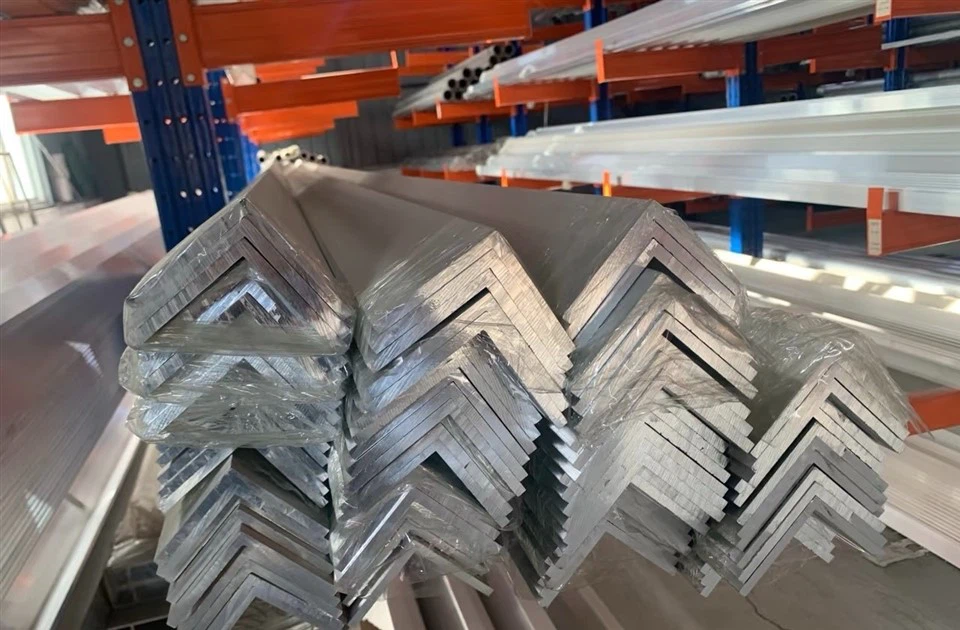
One of the key factors is the low cutting forces required. Aluminum has a lower hardness compared to many other metals, so it doesn't put as much stress on cutting tools. This means that you can use standard cutting tools and achieve good results without having to worry too much about tool wear or breakage. For example, when drilling holes in an Aluminum Angle Bar, you'll find that the drill bit moves through the material smoothly and quickly, reducing the time and effort needed for the job.
Another advantage is the good surface finish. Aluminum has a natural ability to produce a smooth surface when machined. This is important because it can save you time and money on post - machining finishing operations. Whether you're using a lathe to turn the bar or a mill to create complex shapes, you'll end up with a clean and professional - looking finish.
The chips produced during machining are also a plus. Aluminum chips are typically small and easy to handle. Unlike some metals that produce long, stringy chips that can get tangled in the cutting tools or the machine, aluminum chips break into manageable pieces. This helps to keep the machining area clean and reduces the risk of interference with the cutting process.
Let's compare Aluminum Angle Bars with some other similar products. Take the Galvanized Steel Angle Steel for example. Galvanized steel is much harder than aluminum. When machining galvanized steel, you'll need more powerful cutting tools and higher cutting forces. The tools will wear out faster, and you may encounter more difficulties in achieving a good surface finish. Also, the chips from galvanized steel can be more abrasive and harder to deal with.
On the other hand, [Unequal Angle Steel](https://www. ab.com/steel - structure - profiles/angle - steel/unequal - angle - steel.html) also has its own machining challenges. Depending on the composition and heat treatment of the unequal angle steel, it can be quite tough to machine. The uneven shape can also add to the complexity of the machining process. In contrast, Aluminum Angle Bars, with their uniform composition and relatively soft nature, are much more forgiving in terms of machining.
There are different grades of aluminum used in the production of Aluminum Angle Bars, and each grade can have slightly different machinability characteristics. For instance, 6061 aluminum is one of the most popular grades. It has a good balance of strength, corrosion resistance, and machinability. It can be easily machined to tight tolerances, making it suitable for a wide range of applications, from simple structural components to more complex mechanical parts.
7075 aluminum is another grade. While it's stronger than 6061, it's a bit more difficult to machine. The higher strength comes at the cost of slightly reduced machinability. However, with the right cutting tools and machining parameters, you can still achieve good results with 7075 aluminum angle bars.
When it comes to machining Aluminum Angle Bars, there are a few tips that can help you get the best results. First, make sure you're using the right cutting speed and feed rate. These parameters depend on the grade of aluminum, the type of machining operation, and the cutting tool being used. Generally, a higher cutting speed is recommended for aluminum to prevent the material from sticking to the tool.
Coolant is also important. Using a coolant can help to reduce the heat generated during machining, which in turn can extend the life of the cutting tool and improve the surface finish. There are different types of coolants available, such as water - based coolants and oil - based coolants. You'll need to choose the one that's most suitable for your specific machining process.
In terms of applications, Aluminum Angle Bars are used in a wide variety of industries. In the construction industry, they can be used for framing, supports, and decorative elements. Their light weight and good machinability make them easy to install and customize on - site. In the automotive industry, Aluminum Angle Bars can be used for making brackets, frames, and other components. The ability to machine them precisely allows for a perfect fit in the vehicle's structure.
If you're in the market for Aluminum Angle Bars, you'll find that our products offer great value. We source high - quality aluminum and use advanced manufacturing processes to ensure that our angle bars meet the highest standards. And with their excellent machinability, you'll be able to save time and money on your machining projects.
So, if you're interested in purchasing Aluminum Angle Bars for your next project, don't hesitate to get in touch. Whether you need a small quantity for a DIY project or a large order for an industrial application, we're here to help. You can visit our Aluminum Angle Bar page to learn more about our products and place an order. We're always happy to answer any questions you might have and assist you with your procurement needs.
In conclusion, the machinability rating of Aluminum Angle Bars is quite high. Their softness, ability to produce a good surface finish, and manageable chips make them a top choice for machining operations. Whether you're a professional machinist or a hobbyist, you'll find that working with Aluminum Angle Bars is a rewarding experience. So, why not give them a try for your next project?
References
- ASM Handbook Volume 16: Machining
- Aluminum Association Technical Publications