

Hey there! As an aluminum profile supplier, I often get asked whether aluminum profiles can be used in high - temperature environments. It's a great question, and today, I'm gonna break it down for you.
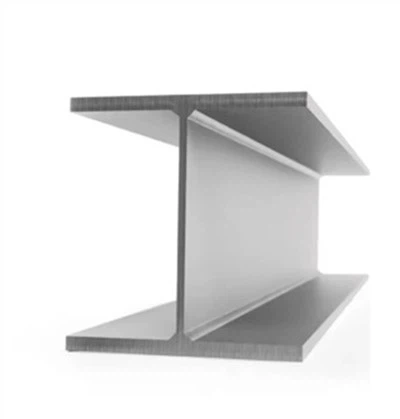
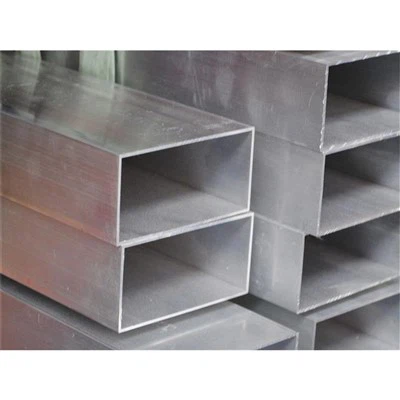
First off, let's talk a bit about aluminum profiles in general. We offer two main types: Industrial Aluminum Profiles and Architectural Aluminum Profiles. Industrial aluminum profiles are commonly used in manufacturing, machinery, and automation, while architectural aluminum profiles are more for building facades, windows, and doors.
Now, back to the high - temperature question. Aluminum has some pretty interesting properties when it comes to heat. Aluminum is a good conductor of heat. That means it can transfer heat quickly. In normal circumstances, this is actually a plus. For example, in industrial settings where you need to dissipate heat from a machine, aluminum profiles can do the job well. They can help keep the temperature of the equipment in check by moving the heat away from the critical components.
However, when we're talking about extremely high - temperature environments, things get a bit more complicated. Aluminum has a relatively low melting point compared to some other metals. Pure aluminum melts at around 660°C (1220°F). But most of the aluminum profiles we supply are alloys, which have different melting points depending on the elements added.
In high - temperature applications, the mechanical properties of aluminum profiles start to change. As the temperature rises, the strength of aluminum decreases. This is a phenomenon known as thermal softening. At around 200 - 300°C (392 - 572°F), you'll start to notice a significant drop in the yield strength and ultimate tensile strength of aluminum alloys. This means that if you're using aluminum profiles in a high - stress situation at these temperatures, they might deform or even fail.
Let's take a look at some real - world scenarios. In the automotive industry, aluminum profiles are used in engine components. The engine gets pretty hot, but the temperatures are usually kept within a certain range. The engineers design the cooling systems to make sure the aluminum parts don't reach temperatures that would cause significant softening. Similarly, in aerospace applications, aluminum alloys are used in aircraft structures. But again, there are strict temperature limits and cooling mechanisms in place to protect the aluminum components.

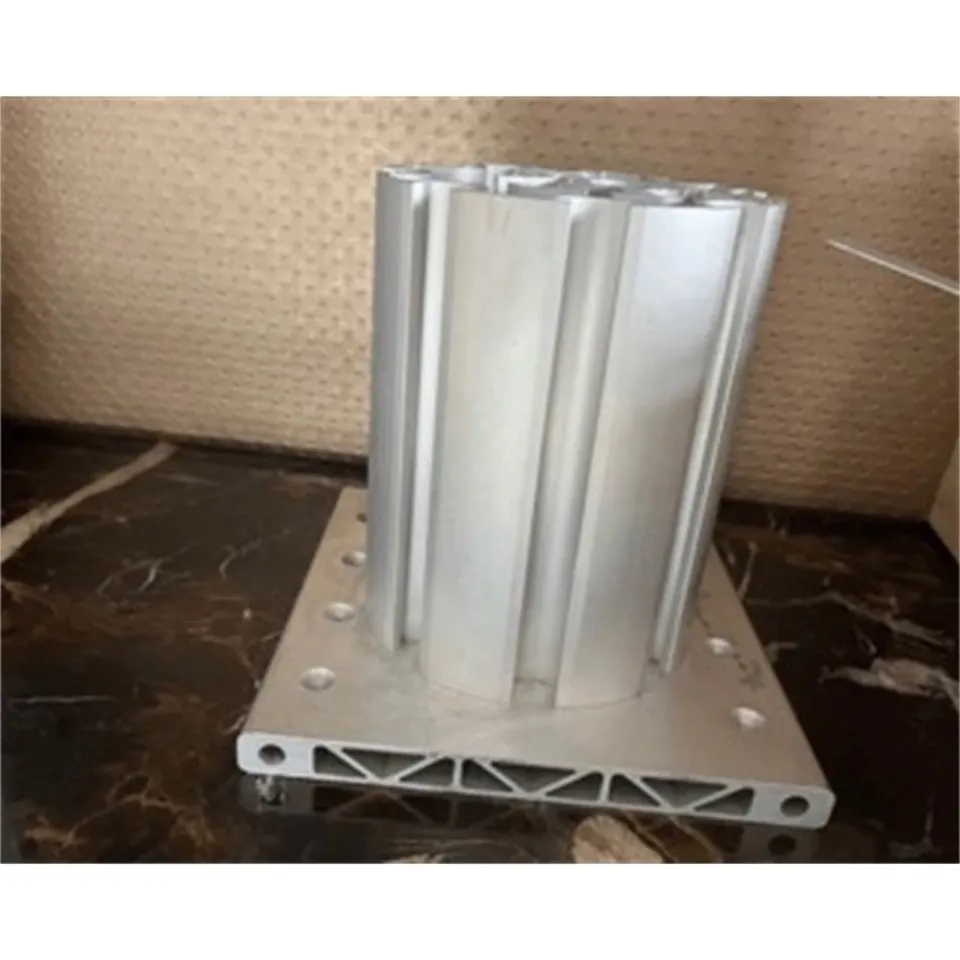
On the other hand, there are some high - temperature applications where aluminum profiles can still be used effectively. For example, in some heat exchangers, the aluminum profiles are used to transfer heat between different fluids. The temperature might be high, but the stress on the profiles is relatively low. As long as the temperature doesn't exceed the limits where the aluminum starts to deform, it can work just fine.
Another factor to consider is oxidation. When aluminum is exposed to high temperatures in the presence of oxygen, it forms a thin oxide layer on the surface. This oxide layer can actually protect the underlying aluminum from further oxidation to some extent. But at very high temperatures, the oxide layer might break down, and the aluminum can start to corrode more rapidly.
If you're thinking about using aluminum profiles in a high - temperature environment, there are a few things you can do to make it work. First, choose the right alloy. Some aluminum alloys are more heat - resistant than others. For example, alloys with copper or magnesium added can have better high - temperature performance. Second, consider using coatings. There are special coatings available that can improve the heat resistance and oxidation resistance of aluminum profiles.
In summary, aluminum profiles can be used in high - temperature environments, but it depends on the specific conditions. You need to consider the temperature range, the stress on the profiles, and the presence of other factors like oxidation. If you're not sure whether our aluminum profiles are suitable for your high - temperature application, don't hesitate to reach out to us. We have a team of experts who can help you choose the right product and provide advice on how to use it safely.
Whether you're in the market for Industrial Aluminum Profiles or Architectural Aluminum Profiles, we're here to assist you. If you have any questions about high - temperature applications or any other aspect of our products, feel free to contact us for a detailed discussion. We're always happy to help you find the best solution for your needs.
References
- ASM Handbook, Volume 2: Properties and Selection: Nonferrous Alloys and Special - Purpose Materials
- Aluminum Association Technical Papers on Aluminum Alloys and Their Applications