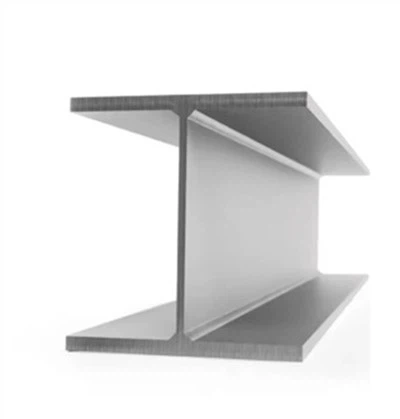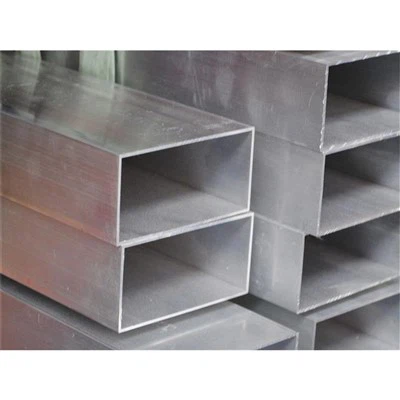


Hey there! As an aluminum profile supplier, I often get asked if aluminum profiles can be used to make a display rack. The short answer is yes, and in this blog, I'll dive into why aluminum profiles are a great choice for creating display racks, the different types you can use, and how it all comes together.
Why Aluminum Profiles for Display Racks?
First off, let's talk about the benefits of using aluminum profiles for display racks. One of the biggest advantages is their lightweight nature. Unlike steel or other metals, aluminum is much lighter, which makes it easier to handle during the installation process. You won't need heavy - duty equipment to move and assemble the parts, and it's also more convenient if you ever need to relocate the display rack.
Another great thing about aluminum is its corrosion resistance. Display racks are often placed in various environments, and they might be exposed to moisture, dust, or even chemicals. Aluminum has a natural oxide layer that protects it from rust and corrosion, ensuring that your display rack will look good and stay functional for a long time.
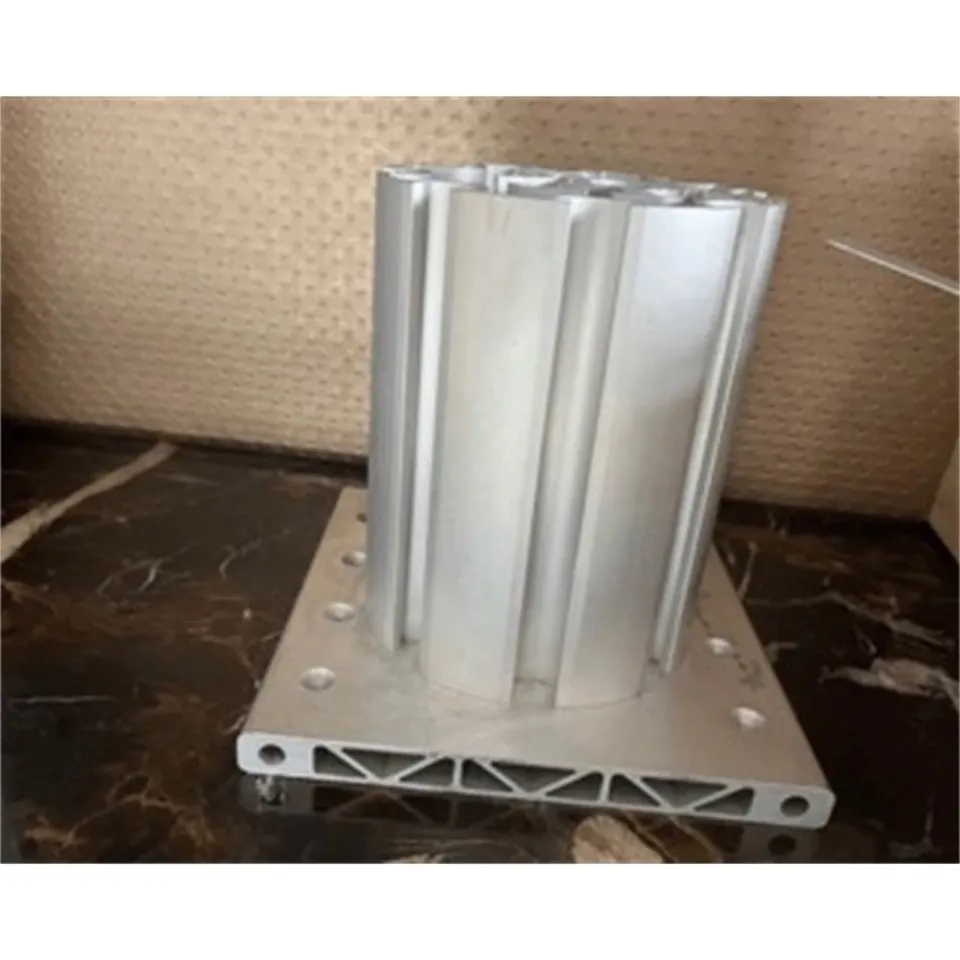

Aluminum profiles are also highly customizable. You can cut them to different lengths, drill holes at specific locations, and connect them in various ways. This means you can create a display rack that perfectly fits your needs, whether it's for a small boutique or a large exhibition hall.
Types of Aluminum Profiles for Display Racks
There are mainly two types of aluminum profiles that are commonly used for display racks: Industrial Aluminum Profiles and Architectural Aluminum Profiles.
Industrial Aluminum Profiles
Industrial aluminum profiles are designed for industrial applications, but they're also great for display racks. They usually have a more robust structure and are available in a wide range of shapes and sizes. These profiles often come with T - slots, which make it easy to attach brackets, shelves, and other accessories. You can use industrial aluminum profiles to create a sturdy and modular display rack. For example, if you want to display heavy items like machinery parts or large products, industrial aluminum profiles can provide the necessary support.
Architectural Aluminum Profiles
Architectural aluminum profiles, on the other hand, are more focused on aesthetics. They have a smooth and sleek appearance, which is perfect for display racks in high - end stores or showrooms. These profiles can be anodized or powder - coated in different colors to match the interior design. You can use architectural aluminum profiles to create a modern and stylish display rack that enhances the overall look of your products.
Designing and Assembling a Display Rack with Aluminum Profiles
Now that you know the types of aluminum profiles, let's talk about how to design and assemble a display rack.
Designing the Display Rack
The first step is to determine the size and shape of your display rack. Consider the space where you'll place it and the products you want to display. Sketch out a rough design on paper or use a 3D design software if you're more tech - savvy. Think about the number of shelves, the height of each shelf, and the overall layout.
When designing, also keep in mind the load - bearing capacity. If you're displaying heavy items, you'll need to choose thicker and stronger aluminum profiles. You can consult with an engineer or use online calculators to estimate the load - bearing capacity of different profile combinations.
Assembling the Display Rack
Once you have the design, it's time to start assembling. You'll need some basic tools like a saw to cut the aluminum profiles to the right length, a drill to make holes for connections, and wrenches to tighten the bolts.
If you're using industrial aluminum profiles with T - slots, you can easily attach brackets and shelves using T - nuts. These nuts fit into the T - slots and provide a secure connection. For architectural aluminum profiles, you might need to use special connectors or adhesives to ensure a clean and seamless look.
Cost - Effectiveness
One of the key considerations for any business is cost. Aluminum profiles are generally cost - effective when it comes to making display racks. Compared to custom - made wooden or steel display racks, aluminum profiles are more affordable, especially when you factor in the long - term maintenance costs. Since aluminum is corrosion - resistant, you won't have to spend money on regular painting or rust prevention treatments.
Maintenance
Maintaining a display rack made of aluminum profiles is a breeze. You can simply wipe it down with a damp cloth to remove dust and dirt. If there are any stubborn stains, you can use a mild detergent. Avoid using abrasive cleaners as they might scratch the surface of the aluminum.
Conclusion
In conclusion, aluminum profiles are an excellent choice for making display racks. They offer a combination of lightweight, corrosion resistance, customizability, and cost - effectiveness. Whether you're a small business owner looking for a simple display solution or a large corporation in need of a high - end display for an exhibition, aluminum profiles can meet your requirements.
If you're interested in using aluminum profiles to create a display rack for your business, I'd love to hear from you. We can discuss your specific needs, provide you with samples, and offer competitive pricing. Let's work together to create a display rack that showcases your products in the best possible way.
References
- Aluminum Association. "Properties of Aluminum."
- Industrial Aluminum Profile Handbook.
- Architectural Aluminum Design Guide.