

Hey there! As an i-beam supplier, I often get asked if an i-beam can be used for residential construction. Well, the short answer is yes! But let's dig deeper into this topic to understand why i-beams are a great option for your home building project.
What is an I - Beam?
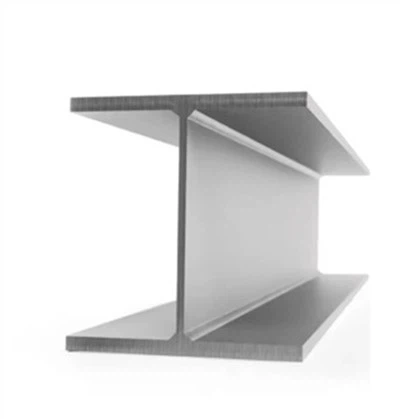
First off, let's talk about what an i-beam is. An i-beam, also known as a universal beam, is a beam with an "I" or "H" shaped cross - section. The horizontal elements are called flanges, and the vertical element is the web. This shape gives the i-beam excellent structural properties, making it very strong and efficient at carrying loads.
Advantages of Using I - Beams in Residential Construction
Strength and Durability
One of the main reasons i-beams are suitable for residential construction is their strength. They can handle heavy loads, whether it's the weight of the roof, upper floors, or even snow and wind loads. This means that you can use fewer i-beams compared to other types of beams to achieve the same level of support. For example, in a two - story house, i-beams can span longer distances without the need for additional support columns, giving you more open and flexible floor plans.
I - beams are also incredibly durable. They are made from materials like steel, which is resistant to rot, pests, and fire. This durability ensures that your home will stand the test of time, providing a safe and stable living environment for you and your family.
Cost - Effectiveness
In the long run, using i-beams can be cost - effective. While the initial cost of i-beams might be a bit higher than some other building materials, their strength and durability mean that you'll save money on maintenance and repairs over the life of your home. Also, because they can span longer distances, you may need fewer support structures, which can reduce labor and material costs during construction.
Design Flexibility
I - beams offer a lot of design flexibility. They can be easily cut, welded, and shaped to fit the specific needs of your residential project. Whether you're building a traditional - style home or a modern, open - concept design, i - beams can be customized to meet your architectural vision. You can use them for everything from supporting the roof to creating large, open living spaces.
Types of I - Beams for Residential Construction
There are several types of i - beams available, each with its own characteristics and advantages.
Anodized Aluminum I Beam
Anodized aluminum i - beams are lightweight, corrosion - resistant, and have a high strength - to - weight ratio. They are a great option for residential construction, especially in coastal areas where corrosion can be a problem. You can check out more about Anodized Aluminum I Beam on our website.
Galvanized Steel I Beam
Galvanized steel i - beams are coated with a layer of zinc to protect them from rust and corrosion. They are strong, durable, and can handle heavy loads. These i - beams are commonly used in residential construction, especially for load - bearing structures. To learn more about Galvanized Steel I Steel, click the link.
Carbon Steel I Beam
Carbon steel i - beams are known for their high strength and toughness. They are suitable for large - scale residential projects where heavy loads need to be supported. You can find more details about Carbon Steel I Steel by clicking the link.
Considerations When Using I - Beams in Residential Construction
Structural Design
Before using i - beams in your residential project, it's crucial to have a proper structural design. A professional engineer should be involved to calculate the loads, determine the appropriate size and type of i - beams, and ensure that the overall structure is safe and stable. This will help you avoid any potential structural issues in the future.
Installation
Proper installation is key to the performance of i - beams. They need to be installed correctly, with the right connections and supports. Hiring an experienced contractor who is familiar with working with i - beams is essential. Incorrect installation can lead to problems such as uneven loading, which can compromise the integrity of the structure.
Fire Protection
Although steel i - beams are fire - resistant, they can lose their strength at high temperatures. In a residential setting, it's important to provide adequate fire protection for the i - beams. This can be done through the use of fire - rated coatings or insulation materials.


Conclusion
So, can an i - beam be used for residential construction? Absolutely! With their strength, durability, cost - effectiveness, and design flexibility, i - beams are a great choice for building your dream home. Whether you're looking for a lightweight option like anodized aluminum or a heavy - duty solution like carbon steel, there's an i - beam that's right for your project.
If you're interested in using i - beams for your residential construction project, I'd love to talk to you. We can discuss your specific needs, provide you with detailed information about our products, and help you make the best decision for your home. Don't hesitate to reach out and start the conversation. Let's build your home together!
References
- "Steel Construction Manual" by the American Institute of Steel Construction
- "Residential Structural Design Guide" by the National Association of Home Builders