

Can C Type Channels be used in electrical installations?
Hey there! I'm a supplier of C type channels, and I often get asked if these channels can be used in electrical installations. Well, let's dive right into it and find out.
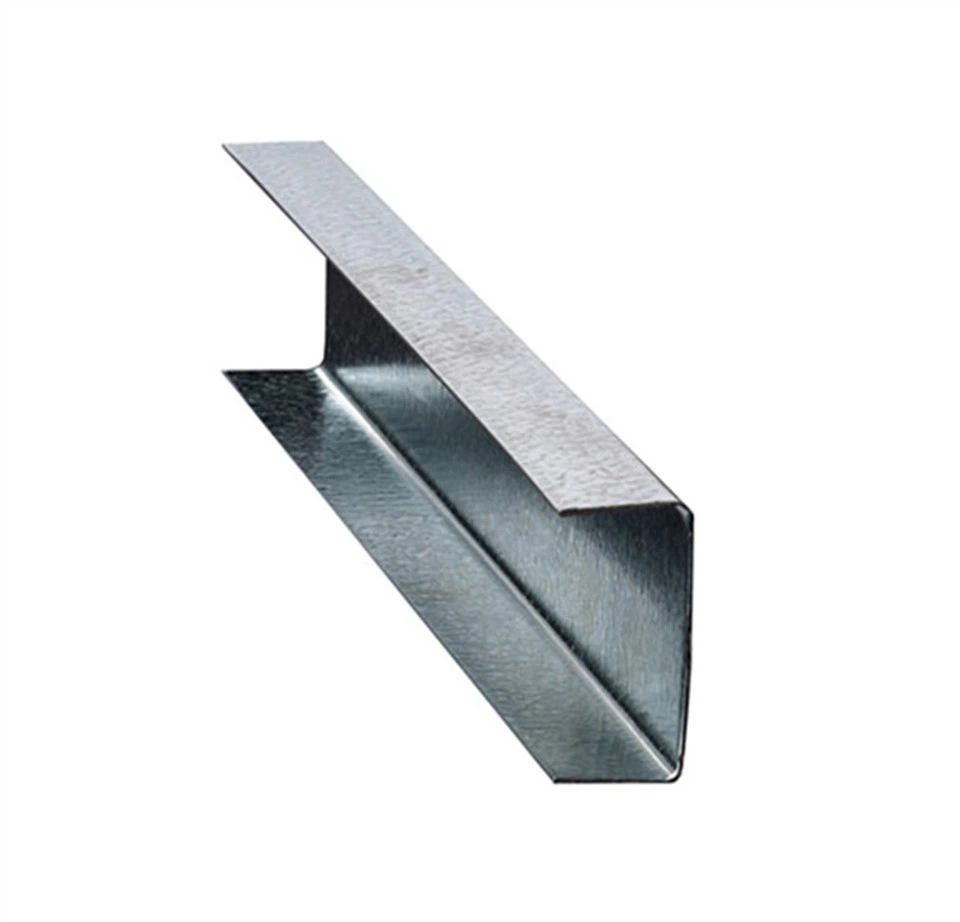
First off, what are C type channels? They're basically structural steel sections that have a cross - section resembling the letter "C". They're known for their strength and versatility, and they're used in a whole bunch of construction and industrial applications.
Now, when it comes to electrical installations, there are a few key factors to consider. One of the most important things is safety. Electrical systems need to be installed in a way that minimizes the risk of electrical shock, short - circuits, and fires. C type channels can play a role here.
For starters, they can be used as support structures for electrical conduits. Conduits are pipes that protect electrical wires from physical damage, moisture, and other environmental factors. By using C type channels to support these conduits, you can ensure that they're properly secured and won't move around. This is crucial because if conduits aren't stable, the wires inside can get damaged, which can lead to electrical problems.
Another use of C type channels in electrical installations is for cable management. In large electrical systems, there are often a whole bunch of cables running everywhere. C type channels can be used to create a framework for organizing these cables. You can attach cable trays or cable ties to the C type channels, which helps keep the cables neat and tidy. This not only makes the installation look more professional but also makes it easier to troubleshoot and maintain the electrical system in the future.
But it's not all sunshine and rainbows. There are some potential drawbacks to using C type channels in electrical installations. One issue is corrosion. Since C type channels are usually made of steel, they can rust over time if they're exposed to moisture or harsh chemicals. This can weaken the channels and compromise their structural integrity. To combat this, you can use Galvanized Steel Channel Steel, which has a protective zinc coating that helps prevent rust.
Another consideration is the weight of the C type channels. They can be quite heavy, especially if you're using large - sized ones. This means that you need to make sure that the building structure can support the additional weight. If the structure isn't strong enough, it could lead to structural problems.
Now, let's talk about some alternatives to C type channels. There are other types of channels that can be used in electrical installations, such as Z Type Channel. Z type channels have a different cross - section, which can offer some unique advantages in certain situations. They might be more suitable for applications where you need a more flexible or adjustable support structure.
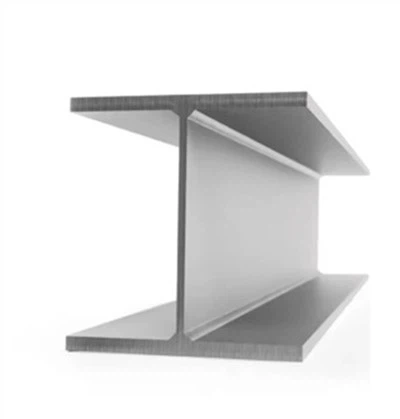
Anodized Aluminum Channel Bar is another option. Aluminum is lightweight and resistant to corrosion, which makes it a great choice for electrical installations in environments where moisture is a concern. However, aluminum channels might not be as strong as steel ones, so you need to carefully consider the load requirements of your electrical system.
In terms of cost, C type channels are generally quite affordable compared to some of the alternatives. Steel is a relatively inexpensive material, and the manufacturing process for C type channels is well - established, which helps keep the costs down. This makes them a popular choice for many electrical contractors, especially when working on budget - conscious projects.
When it comes to installation, C type channels are relatively easy to work with. They can be cut, drilled, and welded to fit the specific requirements of your electrical installation. You don't need any specialized tools or equipment to install them, which means that even small - scale electrical contractors can use them without having to invest in expensive machinery.
But before you go ahead and use C type channels in your electrical installation, it's important to check the local building codes and regulations. Different areas have different rules regarding the use of structural components in electrical systems. You need to make sure that you're in compliance with these regulations to avoid any legal issues down the road.
In conclusion, C type channels can definitely be used in electrical installations. They offer a number of benefits, such as support for conduits, cable management, and cost - effectiveness. However, you need to be aware of the potential drawbacks, like corrosion and weight, and take appropriate measures to address them. If you're still not sure whether C type channels are the right choice for your project, feel free to reach out to me. I've been in the C type channel business for a long time, and I can offer you some expert advice based on your specific needs. Whether you're working on a small residential electrical project or a large - scale commercial installation, I'm here to help you make the best decision. So, if you're interested in purchasing C type channels for your electrical installation, don't hesitate to contact me for a quote and to discuss your requirements.
References

- "Structural Steel Design Handbook"
- "Electrical Installation Best Practices Guide"