

In the world of construction and engineering, I-beams are a fundamental structural component known for their exceptional strength-to-weight ratio and versatility. As a leading supplier of I-beams, I've witnessed firsthand how the electrical conductivity of these beams can play a crucial role in various applications. This blog post aims to explore the significance of electrical conductivity in I-beams and its implications for different industries.
Understanding Electrical Conductivity
Electrical conductivity is a measure of a material's ability to conduct an electric current. It is determined by the number of free electrons available in the material and their mobility. Metals are generally good conductors of electricity because they have a large number of free electrons that can move easily through the material. The electrical conductivity of a material is typically measured in siemens per meter (S/m).
Types of I-Beams and Their Conductivity
There are several types of I-beams available in the market, each with its own unique properties, including electrical conductivity. The most common materials used for I-beams are stainless steel, carbon steel, and aluminum.
- Stainless Steel I Steel: Stainless steel is an alloy of iron, chromium, and other elements. It is known for its corrosion resistance, high strength, and aesthetic appeal. The electrical conductivity of stainless steel varies depending on its composition, but it is generally lower than that of carbon steel. You can find a wide range of Stainless Steel I Steel at our website.
- Carbon Steel I Steel: Carbon steel is an alloy of iron and carbon, with small amounts of other elements. It is one of the most widely used materials in construction due to its high strength, affordability, and ease of fabrication. Carbon steel has a relatively high electrical conductivity, making it suitable for applications where electrical conduction is required. Check out our Carbon Steel I Steel products.
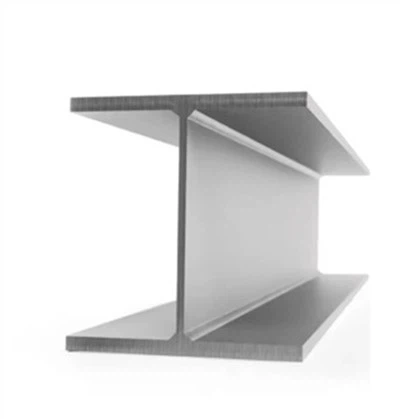
- Aluminum I Beam: Aluminum is a lightweight metal with excellent corrosion resistance and high electrical conductivity. It is commonly used in applications where weight reduction is a priority, such as in the aerospace and automotive industries. Aluminum I Beam is a popular choice for these applications due to its combination of strength and conductivity.
Applications Where Electrical Conductivity Matters
The electrical conductivity of I-beams can be a critical factor in several applications. Here are some examples:
Electrical Grounding Systems
In electrical systems, grounding is essential for safety and proper operation. Grounding systems are designed to provide a low-resistance path for electrical current to flow into the ground in the event of a fault or electrical surge. I-beams can be used as part of a grounding system to ensure that electrical current is safely dissipated. The high electrical conductivity of carbon steel and aluminum I-beams makes them ideal for this application.
Lightning Protection
Lightning strikes can cause significant damage to buildings and structures. Lightning protection systems are designed to intercept lightning strikes and safely conduct the electrical current to the ground. I-beams can be used as part of a lightning protection system to provide a conductive path for the lightning current. The electrical conductivity of the I-beam is crucial in ensuring that the lightning current is quickly and safely diverted away from the structure.
Electromagnetic Shielding
In some applications, it is necessary to protect sensitive electronic equipment from electromagnetic interference (EMI). EMI can be caused by a variety of sources, including radio waves, power lines, and electronic devices. I-beams can be used to create electromagnetic shields that block or reduce the amount of EMI that reaches the equipment. The electrical conductivity of the I-beam helps to absorb and dissipate the electromagnetic energy, providing effective shielding.
Electrically Heated Structures
In cold climates, it may be necessary to heat structures to prevent freezing and damage. Electrically heated structures use electrical current to generate heat. I-beams can be used as heating elements in these structures, providing a uniform and efficient source of heat. The electrical conductivity of the I-beam allows for the efficient transfer of electrical energy into heat.
Factors Affecting Electrical Conductivity
Several factors can affect the electrical conductivity of I-beams. These include:
- Material Composition: As mentioned earlier, the composition of the material used to make the I-beam can have a significant impact on its electrical conductivity. Different alloys and elements can affect the number of free electrons available in the material and their mobility.
- Temperature: The electrical conductivity of most materials decreases with increasing temperature. This is because as the temperature rises, the atoms in the material vibrate more vigorously, which can impede the flow of electrons.
- Surface Condition: The surface condition of the I-beam can also affect its electrical conductivity. A clean, smooth surface will have lower resistance than a dirty or rough surface. Oxidation and corrosion can also increase the resistance of the I-beam.
- Mechanical Stress: Mechanical stress can cause changes in the crystal structure of the material, which can affect its electrical conductivity. For example, bending or stretching the I-beam can cause the atoms to rearrange, leading to a change in conductivity.
Importance of Choosing the Right I-Beam for Electrical Applications
When selecting an I-beam for an application where electrical conductivity matters, it is important to consider several factors. These include:


- Required Conductivity: The first step is to determine the required electrical conductivity for the application. This will depend on the specific requirements of the system, such as the amount of current that needs to be conducted and the allowable resistance.
- Material Properties: In addition to electrical conductivity, other material properties such as strength, corrosion resistance, and weight should also be considered. For example, if the I-beam will be exposed to a corrosive environment, stainless steel or aluminum may be a better choice than carbon steel.
- Cost: The cost of the I-beam is also an important factor to consider. Carbon steel is generally the most affordable option, while stainless steel and aluminum can be more expensive. However, the cost of the I-beam should be weighed against its performance and durability.
Conclusion
In conclusion, the electrical conductivity of I-beams can be a critical factor in several applications, including electrical grounding systems, lightning protection, electromagnetic shielding, and electrically heated structures. As a supplier of I-beams, we understand the importance of providing high-quality products that meet the specific requirements of our customers. Whether you need a carbon steel I-beam for a grounding system or an aluminum I-beam for a lightweight application, we have the expertise and products to meet your needs.
If you have any questions or would like to discuss your specific requirements, please feel free to contact us. We are committed to providing our customers with the best possible service and products. Let's work together to find the perfect I-beam solution for your project.
References
- "Materials Science and Engineering: An Introduction" by William D. Callister Jr. and David G. Rethwisch
- "Electrical Engineering Handbook" by Richard C. Dorf
- "Lightning Protection Systems: Design, Installation, and Maintenance" by John W. Fisher