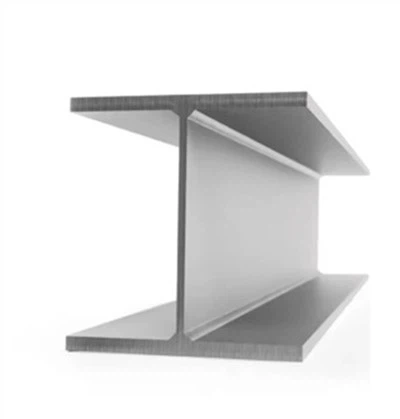


As a supplier of Aluminum I Beams, I've witnessed firsthand the critical role that temperature plays in the performance of these essential construction materials. Aluminum I Beams are renowned for their strength, light weight, and corrosion resistance, making them a popular choice in various industries, from construction to automotive. However, the impact of temperature on their performance is a factor that cannot be overlooked.
Understanding Aluminum I Beams
Before delving into the effects of temperature, it's important to understand what Aluminum I Beams are. These beams are structural elements with an I-shaped cross-section, designed to withstand high loads and stresses. They are made from aluminum alloys, which are mixtures of aluminum with other elements such as copper, magnesium, and silicon to enhance their properties.
Aluminum I Beams offer several advantages over other materials like steel. They are lighter, which reduces the overall weight of the structure and makes installation easier. They also have excellent corrosion resistance, which is particularly beneficial in harsh environments. Additionally, aluminum is a highly recyclable material, making it an environmentally friendly choice.
The Effect of Temperature on Aluminum I Beams
Temperature can have a significant impact on the performance of Aluminum I Beams in several ways:
1. Thermal Expansion
Aluminum has a relatively high coefficient of thermal expansion compared to other metals. This means that as the temperature increases, the Aluminum I Beam will expand. Conversely, when the temperature decreases, it will contract. This expansion and contraction can cause stress on the beam and the structure it is part of.
For example, in a building where Aluminum I Beams are used in the frame, significant temperature changes can lead to the beams expanding or contracting. If the structure is not designed to accommodate this movement, it can result in cracks, warping, or even structural failure. Engineers must take this into account when designing structures using Aluminum I Beams and provide expansion joints to allow for thermal movement.
2. Strength and Stiffness
The strength and stiffness of Aluminum I Beams are also affected by temperature. As the temperature rises, the strength and stiffness of aluminum decrease. This is because the atomic structure of aluminum becomes more disordered at higher temperatures, reducing the material's ability to resist deformation.
In high-temperature applications, such as in industrial furnaces or aerospace components, the reduced strength and stiffness of Aluminum I Beams can be a critical issue. Designers must ensure that the beams are sized appropriately to withstand the expected loads at the operating temperature. Additionally, special alloys or heat treatments may be used to improve the high-temperature performance of the beams.
3. Fatigue Resistance
Temperature can also affect the fatigue resistance of Aluminum I Beams. Fatigue is the weakening of a material caused by repeated loading and unloading. High temperatures can accelerate the fatigue process by increasing the rate of crack growth in the material.
In applications where Aluminum I Beams are subjected to cyclic loading, such as in bridges or machinery, the combination of temperature and fatigue can significantly reduce the lifespan of the beams. Regular inspections and maintenance are essential to detect and repair any signs of fatigue damage before it leads to failure.
Temperature Considerations in Different Applications
The impact of temperature on Aluminum I Beams varies depending on the application:
1. Construction
In construction, Aluminum I Beams are commonly used in buildings, bridges, and other structures. The temperature in these applications can vary widely depending on the location and climate. In hot climates, the beams may be exposed to high temperatures during the day, while in cold climates, they may experience freezing temperatures at night.
Engineers must design structures to account for these temperature variations. For example, in a bridge, expansion joints are installed to allow the Aluminum I Beams to expand and contract without causing damage to the structure. Additionally, the beams may be coated with a protective layer to reduce the effects of temperature and corrosion.
2. Automotive
In the automotive industry, Aluminum I Beams are used in the frame and suspension systems of vehicles. The temperature under the hood of a car can reach high levels, especially during long drives or in hot weather. This can affect the performance of the Aluminum I Beams, reducing their strength and stiffness.
Automotive manufacturers must design the vehicle's structure to withstand these high temperatures. They may use special alloys or heat treatments to improve the high-temperature performance of the Aluminum I Beams. Additionally, the vehicle's cooling system is designed to keep the engine and other components at a safe operating temperature.


3. Aerospace
In the aerospace industry, Aluminum I Beams are used in the construction of aircraft and spacecraft. The temperature in aerospace applications can vary from extremely cold in space to very hot during re-entry into the Earth's atmosphere.
Aerospace engineers must design the Aluminum I Beams to withstand these extreme temperature variations. They use advanced materials and manufacturing techniques to ensure that the beams have the necessary strength, stiffness, and fatigue resistance at all temperatures. For example, some aerospace Aluminum I Beams are made from high-strength alloys that are specifically designed for use in extreme environments.
Comparing with Other Materials
When considering the performance of Aluminum I Beams at different temperatures, it's useful to compare them with other materials such as Galvanized Steel I Steel and Carbon Steel I Steel.
Steel generally has a lower coefficient of thermal expansion than aluminum, which means it expands and contracts less with temperature changes. However, steel is heavier than aluminum, which can be a disadvantage in applications where weight is a critical factor.
On the other hand, Anodized Aluminum I Beam offers improved corrosion resistance compared to steel, especially in harsh environments. The anodizing process creates a protective layer on the surface of the aluminum, which can help to reduce the effects of temperature and corrosion.
Conclusion
In conclusion, temperature has a significant impact on the performance of Aluminum I Beams. Thermal expansion, changes in strength and stiffness, and fatigue resistance are all factors that must be considered when using these beams in different applications. As a supplier of Aluminum I Beams, I understand the importance of providing high-quality products that are designed to withstand the expected temperature conditions.
Whether you're in the construction, automotive, or aerospace industry, it's crucial to work with a knowledgeable supplier who can help you select the right Aluminum I Beams for your specific application. We have a wide range of Aluminum I Beams available, including Anodized Aluminum I Beam, to meet your needs.
If you're interested in learning more about our Aluminum I Beams or would like to discuss your specific requirements, please don't hesitate to contact us. We're here to help you make the best choice for your project.
References
- Callister, W. D., & Rethwisch, D. G. (2011). Materials Science and Engineering: An Introduction. Wiley.
- Ashby, M. F., & Jones, D. R. H. (2005). Engineering Materials 1: An Introduction to Properties, Applications and Design. Butterworth-Heinemann.
- Aluminum Association. (n.d.). Aluminum Design Manual. Retrieved from [Website of Aluminum Association]