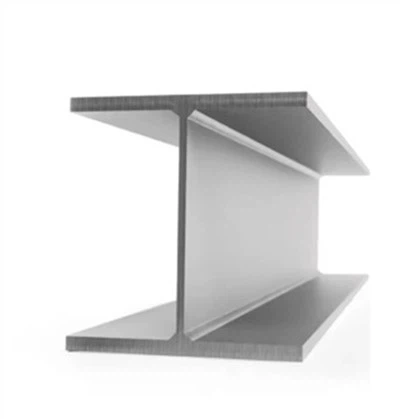


Hey there! As an Aluminum I Beam supplier, I've seen my fair share of issues when it comes to using these beams with other metals. One of the biggest headaches? Galvanic corrosion. It can mess up your structures big time, leading to costly repairs and safety concerns. So, I'm here to share some tips on how to prevent galvanic corrosion when using Aluminum I Beams with other metals.
First off, let's talk about what galvanic corrosion is. It's a type of corrosion that happens when two different metals are in contact with each other in the presence of an electrolyte, like water or saltwater. This creates an electrical circuit, and the more active metal (the anode) corrodes while the less active metal (the cathode) is protected. In the case of Aluminum I Beams, aluminum is a relatively active metal, so it's more likely to corrode when in contact with less active metals.


Understanding the Galvanic Series
The first step in preventing galvanic corrosion is to understand the galvanic series. This is a list of metals and alloys arranged according to their relative electrochemical activity in a particular environment. Metals at the top of the series are more active and more likely to corrode, while metals at the bottom are less active and more resistant to corrosion.
When using Aluminum I Beams with other metals, you want to choose metals that are close to aluminum in the galvanic series. For example, Carbon Steel I Steel is more active than aluminum, so it's a better choice than Galvanized Steel I Steel, which is less active. By choosing metals that are close in the galvanic series, you can reduce the potential for galvanic corrosion.
Isolation
Another way to prevent galvanic corrosion is to isolate the Aluminum I Beams from other metals. This can be done by using non-conductive materials, such as rubber gaskets, plastic spacers, or paint. These materials act as a barrier between the two metals, preventing the flow of electrons and the formation of an electrical circuit.
For example, if you're using Aluminum I Beams with Carbon Steel I Steel, you can place a rubber gasket between the two metals to prevent direct contact. This will reduce the risk of galvanic corrosion and extend the lifespan of your structures.
Coating
Coating the Aluminum I Beams and other metals can also help prevent galvanic corrosion. There are several types of coatings available, including paints, powders, and anodizing. These coatings provide a protective layer that prevents the metal from coming into contact with the electrolyte and reduces the potential for corrosion.
Anodizing is a popular coating method for aluminum. It involves creating a thin oxide layer on the surface of the aluminum, which provides excellent corrosion resistance. Anodized Aluminum I Beams are more durable and require less maintenance than uncoated beams.
Cathodic Protection
Cathodic protection is another effective way to prevent galvanic corrosion. This method involves connecting a sacrificial anode to the Aluminum I Beams. The sacrificial anode is a more active metal than aluminum, so it corrodes instead of the aluminum. This protects the aluminum from corrosion and extends its lifespan.
There are two types of cathodic protection: sacrificial anode protection and impressed current protection. Sacrificial anode protection is the most common method and involves using a sacrificial anode, such as zinc or magnesium, to protect the aluminum. Impressed current protection involves using an external power source to provide a current to the aluminum, which protects it from corrosion.
Maintenance
Finally, regular maintenance is essential for preventing galvanic corrosion. This includes inspecting the Aluminum I Beams and other metals for signs of corrosion, cleaning them regularly, and repairing any damage or coatings that may have been compromised.
By following these tips, you can prevent galvanic corrosion when using Aluminum I Beams with other metals. Remember, prevention is always better than cure, so take the necessary steps to protect your structures and ensure their long-term durability.
If you're interested in purchasing Aluminum I Beams or have any questions about preventing galvanic corrosion, feel free to reach out. I'm here to help you make the right choices for your projects.
References
- Fontana, M. G., & Greene, N. D. (1967). Corrosion Engineering. McGraw-Hill.
- Uhlig, H. H., & Revie, R. W. (1985). Corrosion and Corrosion Control. Wiley.
- ASTM International. (2017). ASTM G82 - 98(2017) Standard Guide for Development and Use of a Galvanic Series for Predicting Galvanic Corrosion Performance.