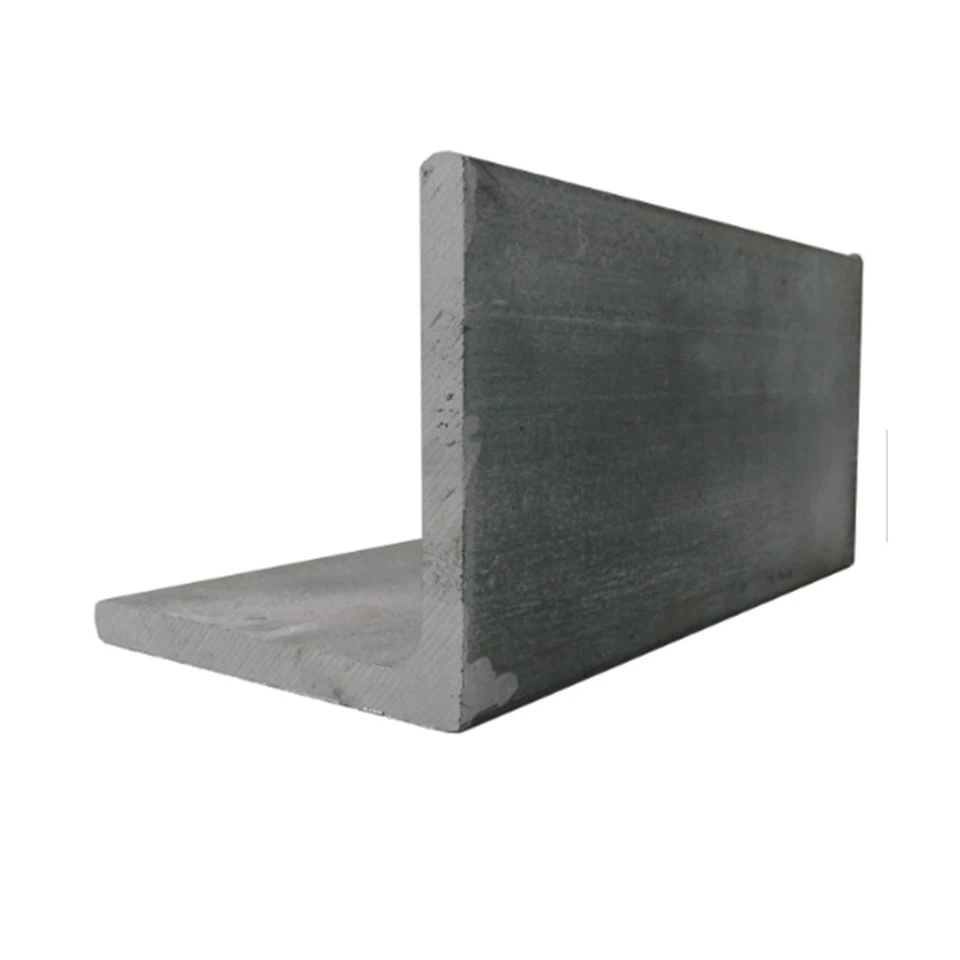


Hey there! I'm an angle steel supplier, and I've been in this business for quite a while. One thing I've learned is that transporting angle steel isn't as simple as it might seem. There are a bunch of precautions you need to take to make sure the angle steel arrives at its destination in good condition. So, let's dive right into it.
1. Pre - transportation Inspection
Before loading the angle steel onto the transport vehicle, a thorough inspection is a must. Check for any visible damages like cracks, bends, or rust spots. If you find any, it's better to address them right away. For instance, if there's a small bend, you might be able to straighten it. And in case of rust, a quick treatment can prevent it from spreading during transportation.
When it comes to different types of angle steel, like Galvanized Steel Angle Steel, the galvanized coating should be intact. Any damage to this coating can lead to rusting over time. Similarly, Stainless Steel Angle Steel should be free from scratches that could compromise its corrosion - resistance. And for Unequal Angle Steel, make sure the dimensions are correct and there are no deformities in the unequal sides.
2. Proper Packaging
Proper packaging is crucial for protecting angle steel during transportation. Generally, angle steel is bundled together. Use strong steel straps or wire ropes to secure the bundles. The spacing between the straps should be appropriate to prevent the angle steel from shifting within the bundle.
You can also use protective materials like plastic sheets or wooden pads. Plastic sheets can protect the angle steel from moisture, especially if it's going to be transported in rainy or humid conditions. Wooden pads can be placed between the bundles to prevent them from rubbing against each other and causing scratches or dents.
3. Loading and Unloading
Loading and unloading are critical steps in the transportation process. When loading, use appropriate lifting equipment such as cranes or forklifts. Make sure the lifting points are well - chosen to avoid bending or distorting the angle steel. For example, if you're using a crane, attach the hooks at the center of gravity of the bundle to ensure a balanced lift.
During unloading, be just as careful. Don't drop the angle steel from a height as it can cause severe damage. Instead, lower it gently to the ground or the storage area. And always follow the correct sequence of unloading to prevent any pile - up or collapse of the bundles.
4. Vehicle Selection
The choice of vehicle for transporting angle steel depends on the quantity and size of the angle steel. For small - scale deliveries, a pickup truck or a small van might be sufficient. But for large - scale shipments, flatbed trucks or trailers are more appropriate.
The vehicle should have a flat and sturdy surface to support the weight of the angle steel. It should also be equipped with tie - down points to secure the bundles. Make sure the vehicle is in good mechanical condition, including brakes, tires, and suspension, to ensure a smooth and safe journey.
5. Securing the Load
Once the angle steel is loaded onto the vehicle, it needs to be properly secured. Use additional straps or ropes to tie down the bundles to the vehicle's tie - down points. The straps should be tightened enough to prevent any movement during transit.
You can also use blocking and bracing materials. For example, place wooden blocks at the ends of the bundles to prevent them from sliding forward or backward. This is especially important when the vehicle is accelerating, braking, or turning.
6. Weather Considerations
Weather can have a significant impact on the transportation of angle steel. If it's going to rain or snow during the journey, cover the load with a waterproof tarp. This will protect the angle steel from getting wet, which can lead to rusting.
In hot weather, be aware that the angle steel can expand. Leave some space between the bundles to allow for this expansion. And if the temperature is extremely high, try to schedule the transportation during cooler parts of the day to minimize the risk of thermal expansion - related damage.
7. Route Planning
Plan the transportation route carefully. Avoid roads with rough surfaces, potholes, or sharp turns as much as possible. These can cause the vehicle to vibrate or jerk, which may damage the angle steel.
Check for any road closures, construction sites, or traffic congestion in advance. You can use GPS navigation systems with traffic updates to find the most suitable route. A longer but smoother route might be a better choice than a shorter but bumpy one.
8. Monitoring during Transit
If possible, monitor the load during transit. You can use tracking devices to keep an eye on the vehicle's location and movement. Some advanced tracking systems can also detect vibrations or sudden movements, which could indicate potential problems with the load.
If you're using a third - party transportation service, stay in touch with the driver. Ask for regular updates on the progress of the journey and any issues that might arise.
9. Storage at Destination
Once the angle steel reaches its destination, it needs to be stored properly. Find a dry and well - ventilated area. If it's going to be stored outdoors, use a raised platform to keep it off the ground and cover it with a tarp.
Separate different types and sizes of angle steel to make it easier to access and use. And conduct another inspection upon arrival to ensure that no new damages have occurred during transportation.
Why Choose Us as Your Angle Steel Supplier
As an experienced angle steel supplier, we take all these precautions seriously. We ensure that every piece of angle steel we supply is in top - notch condition when it leaves our facility and arrives at your site. We offer a wide range of angle steel products, including Galvanized Steel Angle Steel, Stainless Steel Angle Steel, and Unequal Angle Steel.
If you're in the market for high - quality angle steel and want a supplier who understands the importance of proper transportation, we'd love to hear from you. Whether you're working on a small DIY project or a large - scale construction job, we've got the right angle steel for you. Contact us for more information and let's start a great business relationship.
References
- "Steel Structures: Design and Behavior" by S. Timoshenko and J. M. Gere
- Industry standards and guidelines on steel transportation from relevant steel associations
So, that's all about the precautions during angle steel transportation. I hope this blog has been helpful to you. If you have any questions or need more details, feel free to reach out.