

Hey there! As a supplier of Aluminum Angle Bars, I often get asked about the color of an untreated aluminum angle bar. So, let's dive right into it and explore this topic in detail.
What's the Natural Color of Untreated Aluminum Angle Bars?
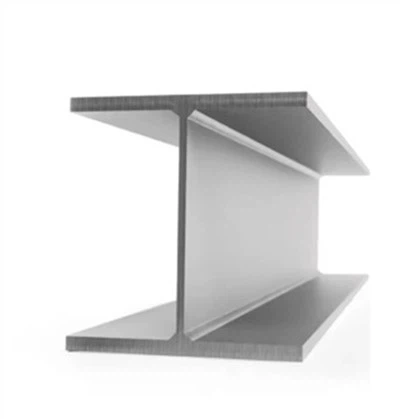
The color of an untreated aluminum angle bar is typically a silvery - gray. Aluminum has a unique appearance when it's in its raw, untreated state. This silvery - gray color comes from the natural oxide layer that forms on the surface of aluminum when it's exposed to air.
When aluminum first comes into contact with oxygen in the air, a thin layer of aluminum oxide (Al₂O₃) starts to form almost immediately. This oxide layer is extremely thin, usually only a few nanometers thick, but it plays a crucial role in protecting the underlying aluminum from further corrosion. It gives the aluminum that characteristic silvery - gray sheen that we're all familiar with.
The exact shade of the silvery - gray can vary a bit depending on a few factors. For example, the purity of the aluminum matters. Higher - purity aluminum often has a brighter, more reflective silvery color. On the other hand, if the aluminum has some impurities or alloying elements, the color might be slightly duller or have a different undertone.
Why Does the Color Matter?
You might be wondering why the color of an untreated aluminum angle bar is important. Well, for starters, it can give you a good indication of the quality and purity of the aluminum. If you're looking at an aluminum angle bar and it has a very uneven or discolored appearance, it could be a sign that there are issues with the manufacturing process or that the aluminum has been contaminated.
In some applications, the natural color of the aluminum can also be a design choice. For example, in modern architecture or interior design, the sleek, silvery look of untreated aluminum can add a contemporary and industrial aesthetic. It can be used in everything from window frames to decorative elements in a building.
Comparing with Other Angle Steel Products
Now, let's talk about how the color of an untreated aluminum angle bar compares to other types of angle steel products. We have Carbon Steel Angle Steel, Galvanized Steel Angle Steel, and Unequal Angle Steel.
Carbon steel angle steel usually has a darker, more matte appearance compared to aluminum. It often has a brownish - gray color due to the presence of iron and the natural oxidation process. Over time, if not properly protected, carbon steel can rust, which will change its color to a reddish - brown.
Galvanized steel angle steel, on the other hand, has a shiny, silver - like appearance similar to aluminum. However, the galvanized coating on the steel gives it a slightly different texture and sheen. The zinc coating on galvanized steel provides excellent corrosion resistance, and the color can vary depending on the thickness and quality of the galvanized layer.
Unequal angle steel can come in different materials, including aluminum and steel. If it's made of untreated aluminum, it will have that characteristic silvery - gray color. If it's made of steel, it will follow the color characteristics of the specific type of steel used, such as carbon steel or galvanized steel.
Factors Affecting the Color of Untreated Aluminum Angle Bars
Apart from purity, there are other factors that can affect the color of an untreated aluminum angle bar. One of these is the surface finish. If the aluminum has been polished, it will have a much brighter and more reflective surface, enhancing the silvery color. On the other hand, if it has a rough or textured finish, the color might appear duller because the surface reflects light in a more scattered way.
The environment where the aluminum angle bar is stored or used can also have an impact. For example, if it's exposed to high humidity or certain chemicals, the natural oxide layer on the aluminum can react and change the color. In some cases, it might develop a white or yellowish film, which is a sign of a chemical reaction on the surface.
Applications Based on Color
As I mentioned earlier, the color of the untreated aluminum angle bar can influence its applications. In the automotive industry, the silvery - gray color can be used for structural components where a modern and lightweight look is desired. It can also be used in the aerospace industry, where the natural color of aluminum can blend well with other materials and contribute to the overall aesthetic of the aircraft.


In the electronics industry, the color of the aluminum can be important for heat sinks. The silvery surface can help in reflecting heat and also gives a clean and professional look to the electronic devices.
How to Maintain the Color
If you want to keep the untreated aluminum angle bar looking its best, there are a few things you can do. First of all, store it in a dry environment. As I mentioned, high humidity can cause the aluminum to react and change color. If possible, keep it away from chemicals and pollutants that can damage the natural oxide layer.
You can also clean the aluminum angle bar periodically with a mild detergent and water. Avoid using abrasive cleaners or tools that can scratch the surface, as this can expose the underlying aluminum and change its appearance.
Conclusion
So, to sum it up, the color of an untreated aluminum angle bar is a silvery - gray, which comes from the natural oxide layer that forms on the surface. This color can vary depending on factors like purity, surface finish, and the environment. It's important not only for aesthetic reasons but also as an indicator of quality.
If you're in the market for aluminum angle bars or have any questions about their color, appearance, or applications, don't hesitate to reach out. We're here to help you find the perfect solution for your needs. Whether you're working on a small DIY project or a large - scale industrial application, we've got the right aluminum angle bars for you. Let's start a conversation and see how we can work together!
References
- Aluminum Association. (2023). Properties of Aluminum.
- Steel Construction Manual. (2022). American Institute of Steel Construction.