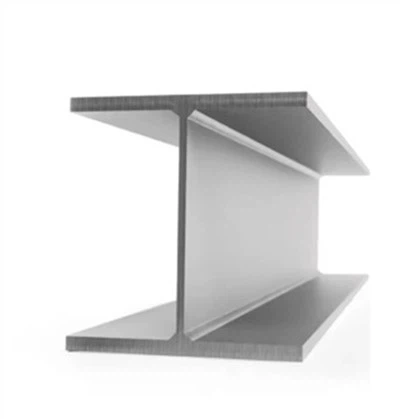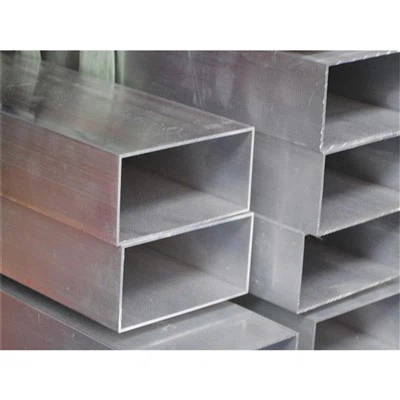


When it comes to the installation of channel steel, understanding the installation error tolerance is crucial for ensuring the stability, safety, and functionality of the overall structure. As a channel steel supplier, I've encountered numerous inquiries regarding this topic. In this blog post, I'll delve into what installation error tolerance of channel steel is, why it matters, and the key factors that influence it.
What is Installation Error Tolerance?
Installation error tolerance refers to the allowable deviation from the ideal or specified installation parameters during the process of installing channel steel. These parameters can include dimensions, angles, alignment, and elevation. For example, if the design requires a channel steel to be installed with a specific length of 5 meters, an installation error tolerance might allow for a deviation of ±5 millimeters. This means that the actual installed length can range from 4.995 meters to 5.005 meters and still be considered acceptable.
Why Does Installation Error Tolerance Matter?
Structural Integrity
Proper installation within the specified error tolerance is essential for maintaining the structural integrity of the entire system. Channel steel is often used in construction, machinery, and other applications where it bears significant loads. If the installation deviates too far from the design specifications, it can lead to uneven stress distribution, which may cause premature failure of the channel steel or the entire structure. For instance, if a channel steel is installed at an incorrect angle, it may not be able to transfer the loads as intended, increasing the risk of bending or buckling under pressure.


Safety
Safety is a top priority in any installation project. Incorrectly installed channel steel can pose serious safety hazards to workers and the public. For example, if a channel steel used in a building's framework is installed with excessive misalignment, it could compromise the stability of the building, especially during seismic events or high winds. Ensuring that the installation error is within the acceptable range helps to minimize these risks and ensure the safety of everyone involved.
Functionality
In addition to structural integrity and safety, installation error tolerance also affects the functionality of the channel steel. In some applications, such as in conveyor systems or precision machinery, even small deviations can cause operational problems. For example, if a channel steel guide rail in a conveyor system is installed with a large error in alignment, it can cause the conveyor belt to run off - track, leading to reduced efficiency and potential damage to the equipment.
Factors Influencing Installation Error Tolerance
Material Properties
The material of the channel steel plays a significant role in determining the installation error tolerance. Different materials, such as carbon steel and aluminum, have different mechanical properties. Carbon Steel Channel Bar is known for its high strength and stiffness, which allows for relatively tight installation tolerances. On the other hand, Aluminum Channel Bar is lighter and more corrosion - resistant but may have slightly looser tolerances due to its lower modulus of elasticity.
Application Requirements
The specific application of the channel steel also affects the installation error tolerance. In high - precision applications, such as aerospace or semiconductor manufacturing, the tolerances are extremely tight. For example, in the construction of a satellite's framework, the installation error of channel steel may need to be within a few micrometers to ensure the proper functioning of the satellite's components. In contrast, in less critical applications, such as a simple storage rack, the tolerances can be more lenient.
Installation Method
The method used to install the channel steel can impact the achievable error tolerance. For example, welding is a common installation method, but it can introduce thermal stresses and distortions, which may affect the alignment and dimensions of the channel steel. Bolted connections, on the other hand, are generally more forgiving in terms of installation errors but still require proper alignment to ensure a secure fit.
Industry Standards and Guidelines
To ensure consistent and safe installation, various industry standards and guidelines have been established. These standards define the acceptable installation error tolerances for different types of channel steel and applications. For example, in the construction industry, standards such as ASTM (American Society for Testing and Materials) and ISO (International Organization for Standardization) provide detailed specifications for the installation of structural steel components, including channel steel. Adhering to these standards is essential for ensuring the quality and reliability of the installation.
Measuring and Controlling Installation Error
During the installation process, it is important to measure and control the installation error to ensure it stays within the acceptable tolerance. This can be done using various measuring tools, such as laser levels, total stations, and calipers. Regular inspections and quality control checks should be carried out at different stages of the installation to identify and correct any errors promptly.
Our Role as a Channel Steel Supplier
As a channel steel supplier, we play a vital role in helping our customers understand and manage the installation error tolerance. We provide high - quality channel steel products, including C Type Channel, that meet the relevant industry standards. Our technical support team is available to offer advice on installation methods and error tolerance requirements based on the specific application. We also provide detailed product specifications and installation guidelines to ensure that our customers can achieve the best results.
Conclusion
In conclusion, the installation error tolerance of channel steel is a critical factor that affects the structural integrity, safety, and functionality of the installation. By understanding the concept of installation error tolerance, the factors that influence it, and the industry standards, our customers can ensure a successful installation. If you are planning a project that requires channel steel, we are here to assist you. Whether you need advice on product selection, installation error tolerance, or any other related issues, please feel free to contact us for further discussion and procurement negotiation.
References
- ASTM International. (Year). Standards related to structural steel.
- ISO. (Year). International standards for steel installation.
- Engineering textbooks on structural steel design and installation.