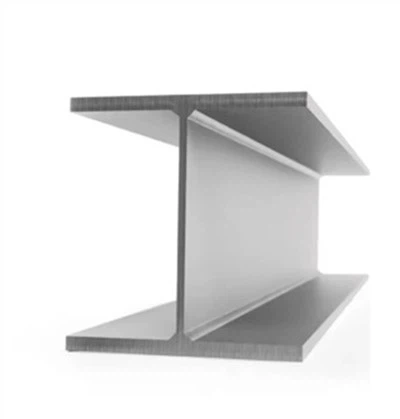


The lifespan of channel steel is a critical consideration for many industries and construction projects. As a channel steel supplier, I've encountered numerous inquiries regarding how long this versatile steel product can last. In this blog, I'll delve into the factors that influence the lifespan of channel steel and provide insights to help you make informed decisions for your projects.
Factors Affecting the Lifespan of Channel Steel
1. Material Quality
The quality of the steel used to manufacture channel steel is fundamental to its lifespan. High - grade steel, such as Stainless Steel Channel Steel, contains alloys that enhance its resistance to corrosion, wear, and fatigue. Stainless steel channel steel, for example, has a high chromium content, which forms a passive oxide layer on the surface. This layer protects the steel from rusting and corrosion, even in harsh environments. In contrast, low - quality steel may have impurities that can weaken the structure over time, leading to premature failure.
2. Environmental Conditions
The environment in which channel steel is used plays a significant role in determining its lifespan. In coastal areas, where the air contains high levels of salt, channel steel is more prone to corrosion. Saltwater can break down the protective oxide layer on the steel surface, exposing it to further corrosion. Similarly, in industrial areas with high levels of pollution, chemicals in the air can react with the steel and cause damage. On the other hand, in dry and clean environments, channel steel can last much longer. For instance, channel steel used in indoor storage facilities where the humidity is controlled and there is no exposure to corrosive agents can have a significantly extended lifespan.


3. Load and Stress
The amount of load and stress that channel steel is subjected to also affects its lifespan. In construction projects, channel steel is often used as a structural support. If the load exceeds the design capacity of the channel steel, it can lead to deformation, cracking, and ultimately failure. Repeated stress cycles, such as those caused by vibrations in machinery or traffic on a bridge, can also cause fatigue in the steel. Over time, this fatigue can lead to the development of cracks, which can spread and compromise the integrity of the channel steel.
4. Maintenance
Proper maintenance can significantly extend the lifespan of channel steel. Regular inspections can help detect early signs of corrosion, damage, or wear. If corrosion is detected, it can be treated by removing the rust and applying a protective coating. For example, Galvanized Steel Channel Steel has a zinc coating that provides a sacrificial layer of protection. However, if the zinc coating is damaged, it should be repaired or reapplied to prevent further corrosion. Additionally, keeping the channel steel clean and dry can also help prevent corrosion.
Typical Lifespan Ranges
Under normal conditions, with proper installation, use, and maintenance, the lifespan of channel steel can vary widely. In general, carbon steel channel steel used in indoor, non - corrosive environments can last 20 - 30 years. This type of channel steel is commonly used in building frames, support structures for shelves, and other indoor applications.
Galvanized steel channel steel, which has a zinc coating for corrosion protection, can last 30 - 50 years in most outdoor environments. The zinc coating acts as a barrier between the steel and the environment, preventing corrosion. However, in highly corrosive environments, such as coastal areas or industrial sites, the lifespan of galvanized steel channel steel may be reduced to 15 - 25 years.
Stainless steel channel steel, due to its excellent corrosion resistance, can have a lifespan of 50 years or more. It is often used in applications where long - term durability and resistance to corrosion are required, such as in marine structures, food processing plants, and chemical industries.
Special Considerations for Different Types of Channel Steel
Z Type Channel
Z Type Channel is a type of channel steel with a unique Z - shaped cross - section. This design provides enhanced structural stability and load - bearing capacity in certain applications. The lifespan of Z type channel is also influenced by the factors mentioned above. However, due to its specific shape, it may be more suitable for applications where lateral stability is crucial, such as in roofing systems. In these applications, if properly installed and maintained, Z type channel can have a lifespan similar to other types of channel steel in the same environment.
How to Maximize the Lifespan of Channel Steel
1. Select the Right Type of Channel Steel
Based on the specific requirements of your project, choose the appropriate type of channel steel. Consider the environmental conditions, load requirements, and expected lifespan. For example, if your project is located in a coastal area, stainless steel channel steel may be the best choice due to its high corrosion resistance.
2. Ensure Proper Installation
Proper installation is crucial for the long - term performance of channel steel. Make sure that the channel steel is installed according to the manufacturer's specifications. This includes using the correct fasteners, ensuring proper alignment, and providing adequate support. Incorrect installation can lead to stress concentrations, which can reduce the lifespan of the channel steel.
3. Implement a Maintenance Plan
Develop a regular maintenance plan for the channel steel. This should include inspections at regular intervals, cleaning, and any necessary repairs or treatments. By detecting and addressing issues early, you can prevent them from escalating and causing significant damage.
Conclusion
The lifespan of channel steel is influenced by a variety of factors, including material quality, environmental conditions, load and stress, and maintenance. By understanding these factors and taking appropriate measures, you can ensure that the channel steel used in your projects has a long and reliable lifespan.
As a channel steel supplier, I am committed to providing high - quality products and professional advice to help you make the best choices for your projects. If you have any questions about channel steel, its lifespan, or which type is suitable for your needs, please feel free to contact me for further discussion and potential procurement.
References
- "Steel Structures: Design and Behavior" by Salmon and Johnson
- "Corrosion of Metals" by Uhlig and Revie
- Industry standards and guidelines for steel construction