

Hey there! As a supplier of C Type Channels, I often get asked about the magnetic property of these nifty steel components. So, I thought I'd sit down and write a blog post to clear up any confusion and give you the lowdown on what makes C Type Channels magnetic.
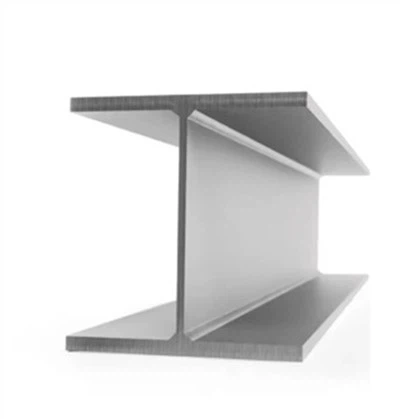
First off, let's talk about what a C Type Channel is. It's a type of structural steel that has a cross-section shaped like the letter "C". These channels are super versatile and are used in a wide range of applications, from construction and engineering to manufacturing and DIY projects. You can find them in buildings, bridges, machinery, and even in some home improvement projects.
Now, onto the magnetic property. The magnetic behavior of a C Type Channel mainly depends on the material it's made of. Most C Type Channels are made from steel, which is an alloy primarily composed of iron. And here's the deal: iron is ferromagnetic, which means it can be magnetized and is strongly attracted to magnets.
When we say a material is ferromagnetic, it means that the atoms in the material have magnetic moments that can align with an external magnetic field. In simple terms, when you bring a magnet close to a C Type Channel made of steel, the magnetic field of the magnet causes the magnetic moments in the steel to line up in the same direction, creating a strong attraction between the magnet and the channel.
The degree of magnetism in a C Type Channel can vary depending on a few factors. One of the main factors is the type of steel used. For example, Carbon Steel Channel Bar is a common type of steel used in C Type Channels. Carbon steel contains carbon as the main alloying element, and it generally has good magnetic properties. The carbon content can affect the hardness and strength of the steel, but it also has an impact on its magnetic behavior. Higher carbon content can sometimes lead to a slightly stronger magnetic response, but it also depends on other factors like the heat treatment of the steel.


Another type of steel used in C Type Channels is Galvanized Steel Channel Steel. Galvanized steel is coated with a layer of zinc to protect it from corrosion. The zinc coating itself is not magnetic, but the underlying steel is. So, a galvanized C Type Channel will still be magnetic, and the magnetic properties are mainly determined by the steel substrate. The zinc coating doesn't significantly affect the magnetic attraction between the channel and a magnet.
It's also worth mentioning that there are other types of channels, like the Z Type Channel. Similar to C Type Channels, Z Type Channels are often made of steel and have magnetic properties for the same reasons. The shape of the channel doesn't really change its magnetic behavior; it's all about the material it's made of.
In some cases, you might come across C Type Channels made from stainless steel. Stainless steel is an alloy that contains chromium, nickel, and other elements in addition to iron. While most stainless steels are ferromagnetic to some extent, there are some types, like austenitic stainless steel, that are non - magnetic. Austenitic stainless steel has a crystal structure that doesn't allow the magnetic moments to align easily, so it doesn't show a strong magnetic response. However, if you're dealing with a C Type Channel made from ferritic or martensitic stainless steel, it will be magnetic.
The magnetic property of C Type Channels can be useful in many applications. In construction, magnets can be used to hold the channels in place during installation, making the process quicker and more efficient. In manufacturing, magnetic handling systems can be used to move and position the channels on the production line. And in some DIY projects, you can use magnets to attach small components to the channels.
If you're in the market for C Type Channels, it's important to consider the magnetic property based on your specific needs. If you need the channel to be strongly magnetic for a particular application, make sure to choose a steel type that has good magnetic properties, like carbon steel. On the other hand, if you want a non - magnetic channel, you might need to look into austenitic stainless steel options.
As a supplier, I've seen firsthand how important it is for customers to have the right information about the products they're buying. That's why I'm always here to answer any questions you might have about C Type Channels, including their magnetic properties. Whether you're a contractor working on a large - scale construction project or a hobbyist looking for a channel for a small DIY job, I can help you find the perfect C Type Channel for your needs.
If you're interested in purchasing C Type Channels or want to learn more about our products, don't hesitate to reach out. We can discuss your requirements in detail and provide you with a quote. Let's work together to get the best C Type Channels for your project!
References
- "Introduction to Materials Science for Engineers" by James F. Shackelford
- "Steel Structures: Design and Behavior" by Arthur H. Nilson, David Darwin, and Charles W. Dolan