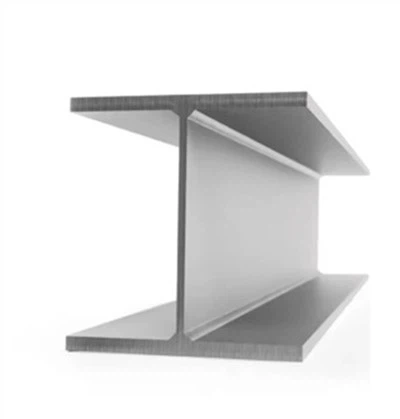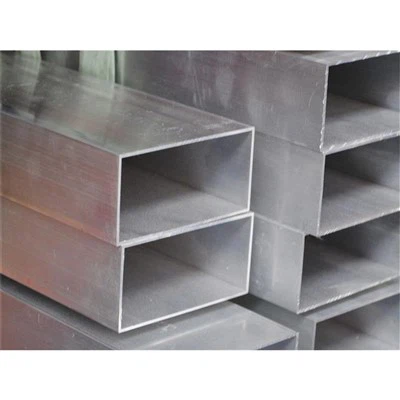


Hey there! As a channel steel supplier, I've been dealing with channel steel production and quality control for quite a long time. So, I thought I'd share some insights on what quality control in channel steel production really means.
First off, let's talk about why quality control is so crucial in channel steel production. Channel steel is used in a wide range of applications, from construction and manufacturing to infrastructure projects. If the quality is sub - par, it can lead to structural failures, safety hazards, and costly repairs down the line. So, ensuring high - quality channel steel is not just about meeting standards; it's about keeping people safe and projects running smoothly.
Raw Material Inspection
The quality control process starts right at the beginning, with the inspection of raw materials. The steel used for channel steel production needs to have the right chemical composition and mechanical properties. We test the steel for elements like carbon, manganese, sulfur, and phosphorus. These elements can significantly affect the strength, ductility, and corrosion resistance of the channel steel.
For instance, too much sulfur can make the steel brittle, while the right amount of carbon can enhance its strength. We use advanced testing equipment like spectrometers to accurately analyze the chemical composition of the raw steel. This way, we can make sure that we're starting with the best possible material for our Aluminum Channel Bar, Z Type Channel, and Stainless Steel Channel Steel.
Production Process Monitoring
Once the raw materials are approved, it's time to start the production process. And this is where continuous monitoring comes in. We keep a close eye on every step of the production, from the heating of the steel to the rolling and shaping processes.
The temperature during heating is critical. If the steel is not heated to the right temperature, it won't be malleable enough for proper rolling, which can lead to uneven thickness and shape in the channel steel. We use infrared thermometers and other temperature - sensing devices to make sure the steel is heated to the optimal temperature range.
During the rolling process, the pressure and speed also need to be carefully controlled. If the pressure is too high, it can cause cracks in the steel, and if it's too low, the channel steel might not have the right dimensions. We have automated systems in place that constantly adjust these parameters based on real - time data.
Dimensional Inspection
After the channel steel is formed, it goes through a rigorous dimensional inspection. The dimensions of the channel steel, such as its height, width, and thickness, need to meet the specified standards. Even a small deviation can affect how the channel steel fits into a project.
We use precision measuring tools like calipers, micrometers, and laser scanners to measure the dimensions of the channel steel. Any channel steel that doesn't meet the dimensional requirements is either reworked or scrapped. This ensures that every piece of channel steel we send out is of the highest quality.
Surface Quality Check
The surface quality of the channel steel is also an important aspect of quality control. A smooth surface not only looks better but also has better corrosion resistance. We check for defects like scratches, rust, and pits on the surface of the channel steel.
If there are minor surface defects, we can sometimes polish them off or apply a protective coating. However, if the defects are too severe, the channel steel is rejected. We also look for signs of oxidation, which can affect the long - term durability of the channel steel.
Non - destructive Testing
In addition to the visual and dimensional inspections, we also use non - destructive testing methods to ensure the internal quality of the channel steel. Techniques like ultrasonic testing and magnetic particle testing can detect internal flaws like cracks and voids without damaging the channel steel.
Ultrasonic testing works by sending high - frequency sound waves through the steel. If there are any internal defects, the sound waves will reflect differently, and we can detect them on a screen. Magnetic particle testing is used to detect surface and near - surface defects in ferromagnetic materials. We apply a magnetic field and magnetic particles to the surface of the channel steel, and if there are any defects, the particles will accumulate at the defect sites, making them visible.
Final Inspection and Certification
Before the channel steel is shipped out, it goes through a final inspection. This is a comprehensive check to make sure that all the previous quality control steps have been successful. We review all the test results and inspect the channel steel one last time for any remaining defects.
Once the channel steel passes the final inspection, we provide a certification that states its quality and compliance with relevant standards. This certification gives our customers the confidence that they're getting a high - quality product.
Why Choose Our Channel Steel
We take quality control very seriously at our company. By following these strict quality control measures, we can ensure that our channel steel is of the highest quality and meets the needs of our customers. Whether you're working on a small DIY project or a large - scale construction job, our Aluminum Channel Bar, Z Type Channel, and Stainless Steel Channel Steel are sure to deliver outstanding performance.
If you're in the market for high - quality channel steel, don't hesitate to get in touch with us. We're always happy to discuss your requirements and provide you with a quote. Let's work together to make your project a success!


References
- Steel Construction Manual, American Institute of Steel Construction
- ASTM Standards for Channel Steel
- European Standards for Steel Structures