

Hey there! As a supplier of Aluminum Angle Bars, I often get asked about the standard size of these handy metal pieces. So, I thought I'd sit down and write this blog to clear up all the confusion.
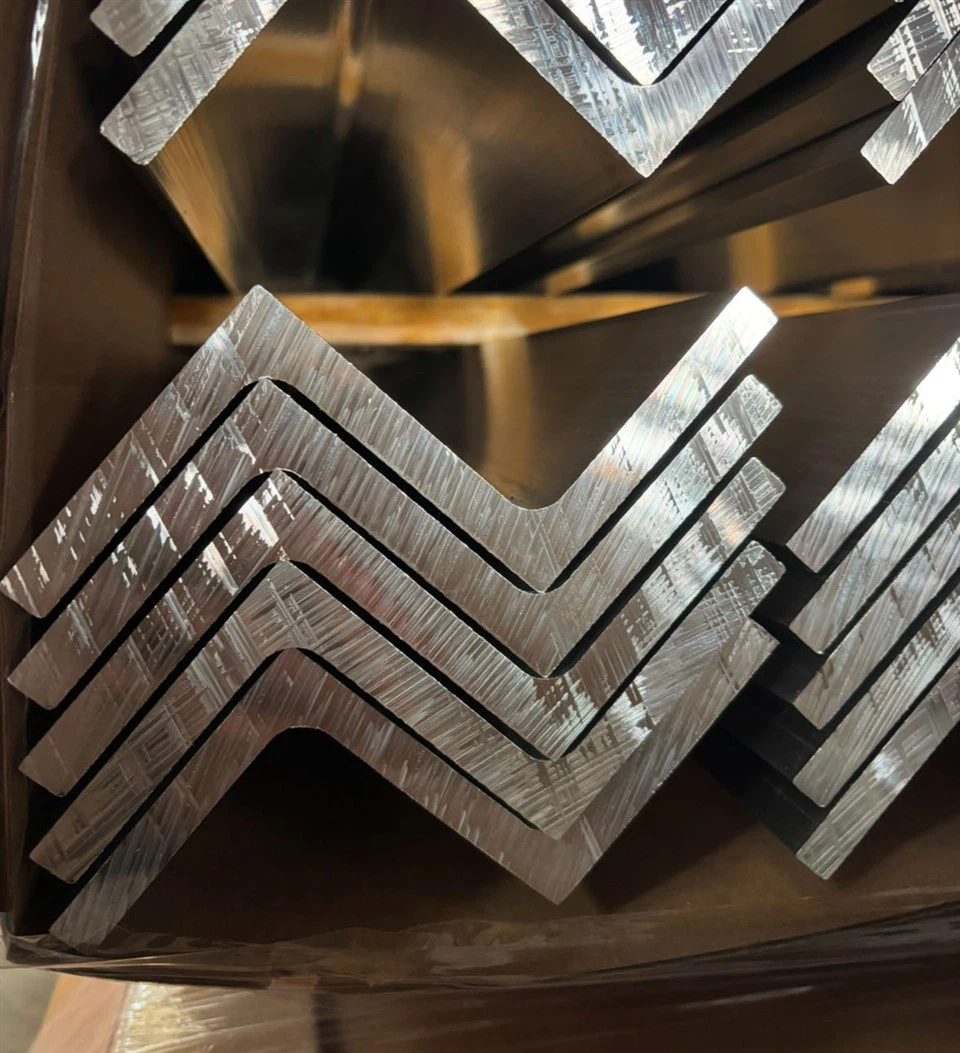
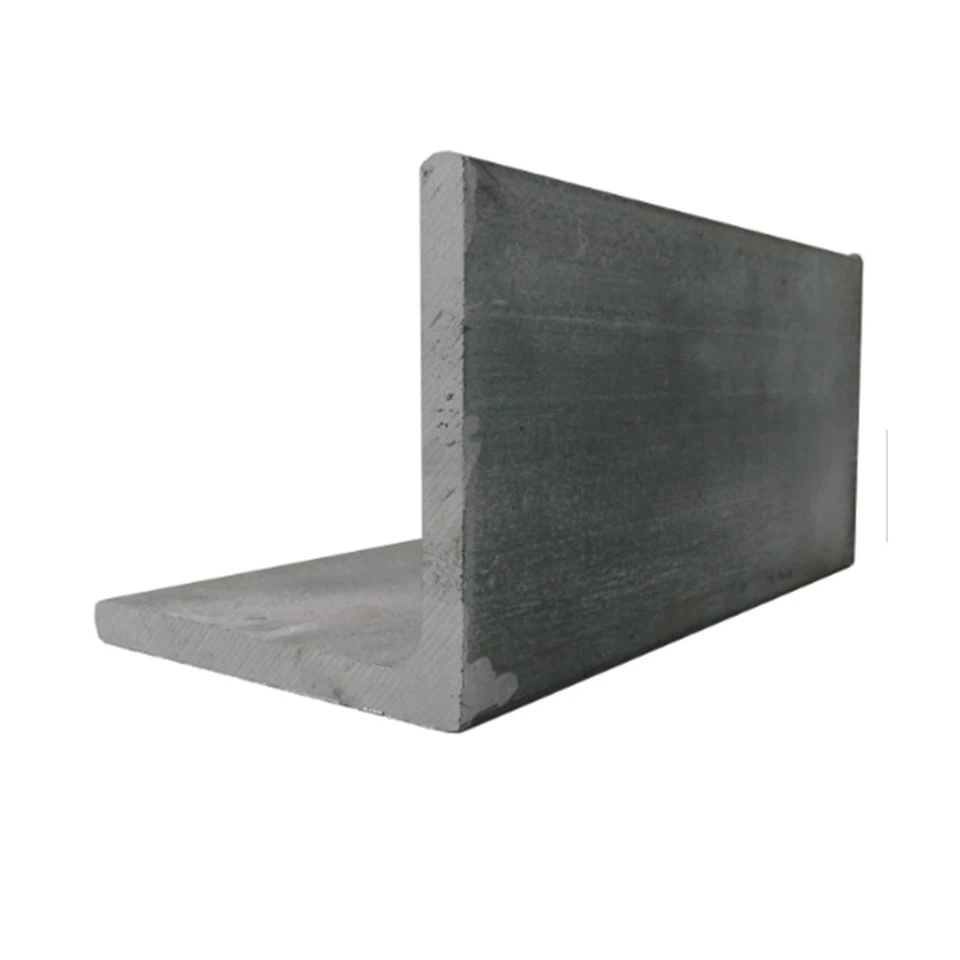
First off, let's talk about what an Aluminum Angle Bar is. An Aluminum Angle Bar, as the name suggests, is a bar made of aluminum that has an L-shaped cross - section. It's super versatile and is used in all sorts of applications, from construction to DIY projects. You can find more about it on our Aluminum Angle Bar page.
Now, to the main question: What is the standard size? Well, there isn't one single standard size that fits all. Aluminum Angle Bars come in a wide range of sizes, and the choice depends on the specific use.
Common Dimensions
The most common way to describe the size of an Aluminum Angle Bar is by the length of each leg and the thickness of the material. For example, you might see a size described as 2x2x1/8 inches. This means each leg of the L - shaped bar is 2 inches long, and the thickness of the aluminum is 1/8 inch.
Some of the common sizes in inches include:
-
1x1x1/16 inches: This is a pretty small and thin Aluminum Angle Bar. It's great for small - scale DIY projects, like making small frames for picture frames or jewelry boxes. You can easily cut and shape it with some basic hand tools.
-
2x2x1/8 inches: This is one of the medium - sized bars. It's widely used in light - duty construction, like building small sheds or as a support for shelves. It has enough strength to hold up a reasonable amount of weight without being too heavy itself.
-
3x3x1/4 inches: This larger - sized bar is for more heavy - duty applications. It can be used in construction work where you need more structural support, such as in the framework of a large building or a heavy - duty machine.
Metric Sizes
If you're in a part of the world that uses the metric system, the sizes are described differently. Common metric sizes include:
-
25x25x3 mm: Similar to the 1x1x1/16 inches bar in the imperial system, this is a small - sized bar. It's useful for projects where you need a lightweight and easy - to - work - with material.
-
50x50x6 mm: This is comparable to the 2x2x1/8 inches bar. It provides a good balance between strength and weight, making it suitable for a variety of medium - duty tasks.
-
75x75x10 mm: This is a heavy - duty metric bar. It's often used in large - scale industrial and construction projects where high strength is required.
Factors Affecting Size Choice
There are several factors that influence the choice of the size of an Aluminum Angle Bar.
Load - Bearing Requirements: If you're using the bar to support a heavy load, you'll need a larger and thicker bar. For example, if you're building a bridge or a large platform, you can't use a small - sized bar. It simply won't be able to handle the weight.
Space Constraints: Sometimes, you might be working in a tight space. In that case, you'll need to choose a bar that fits within those dimensions. A small - sized bar might be the only option if you're working on a project inside a small cabinet or a confined area.
Cost: Larger and thicker bars generally cost more. So, if you're on a budget, you might have to compromise on the size. You need to find a balance between the strength you need and what you can afford.
Comparison with Other Angle Steels
It's also worth comparing Aluminum Angle Bars with other types of angle steels. For example, Galvanized Steel Angle Steel is another popular choice. Galvanized steel is coated with zinc, which makes it more resistant to corrosion. However, it's also heavier than aluminum. So, if weight is a concern, like in aerospace or automotive applications, aluminum is a better option.
Unequal Angle Steel is another type. As the name implies, the legs of unequal angle steel are of different lengths. This can be useful in applications where you need a specific shape or where one side needs to bear more load than the other.
Custom Sizes
At our company, we understand that sometimes the standard sizes just won't cut it. That's why we offer custom - sized Aluminum Angle Bars. Whether you need a bar with a unique leg length or a specific thickness, we can make it for you. Just tell us your requirements, and our team of experts will work on getting you the perfect bar.
Why Choose Aluminum Angle Bars?
Aluminum Angle Bars have several advantages. First, they're lightweight. This makes them easy to transport and install. You don't need heavy - duty equipment to move them around. Second, aluminum is corrosion - resistant. Unlike steel, it won't rust, even when exposed to moisture. This makes it ideal for outdoor applications, like in coastal areas or in places with high humidity.
Another benefit is that aluminum is highly malleable. You can easily cut, bend, and shape it to fit your needs. Whether you're a professional contractor or a DIY enthusiast, you'll find it easy to work with.
Let's Talk Business
If you're in the market for Aluminum Angle Bars, we're here to help. Whether you need a standard size or a custom - made bar, we've got you covered. Our team of experts can assist you in choosing the right size for your project and provide you with a competitive quote.
Don't hesitate to reach out to us for more information. We're always happy to answer your questions and discuss your specific requirements. Let's work together to get your project off the ground!
References
- "Aluminum Handbook" - A comprehensive guide on aluminum properties and applications.
- "Structural Steel Design" - A resource for understanding the use of angle bars in construction.