

Hey there! As a channel steel supplier, I've seen firsthand the crucial role channel steel plays in bridge construction. In this blog, I'm gonna break down the many uses of channel steel in bridges, sharing some real - world insights and experiences.
Structural Support
One of the primary uses of channel steel in bridges is for structural support. Bridges are massive structures that need to bear a lot of weight, including the weight of the bridge itself, vehicles, and pedestrians. Channel steel, with its unique cross - sectional shape, provides excellent load - bearing capacity.
The open - section design of channel steel allows it to distribute the load evenly across its length. For example, when used as beams in a bridge, it can effectively transfer the weight from the deck to the piers or abutments. This helps prevent any concentrated stress points that could lead to structural failure.
We offer different types of channel steel for this purpose. The Carbon Steel Channel Bar is a popular choice. Its high - strength carbon steel composition gives it the ability to handle heavy loads. Whether it's a small pedestrian bridge or a large highway bridge, carbon steel channel bars can be customized to fit the specific requirements of the project.
Framework and Bracing
Channel steel also serves as an essential component in the framework and bracing of bridges. It helps to create a stable and rigid structure. In the framework, channel steel can be used to form the basic grid or skeleton of the bridge. This grid provides a solid foundation for other components like the deck and railing.
Bracing is equally important. Bridges are subject to various forces such as wind, seismic activity, and dynamic loads from traffic. Channel steel braces can be installed diagonally or horizontally to resist these forces. They add extra stability to the bridge, preventing it from swaying or collapsing under adverse conditions.
Our C Type Channel is often used for framework and bracing. The C - shape provides good resistance to bending and torsion, making it ideal for creating a strong and stable framework. It can be easily welded or bolted together, allowing for quick and efficient construction.
Connection and Attachment
In bridge construction, proper connection and attachment of different components are crucial. Channel steel can be used as a connection element to join various parts of the bridge. For instance, it can be used to connect the deck to the beams or to attach the railing to the main structure.
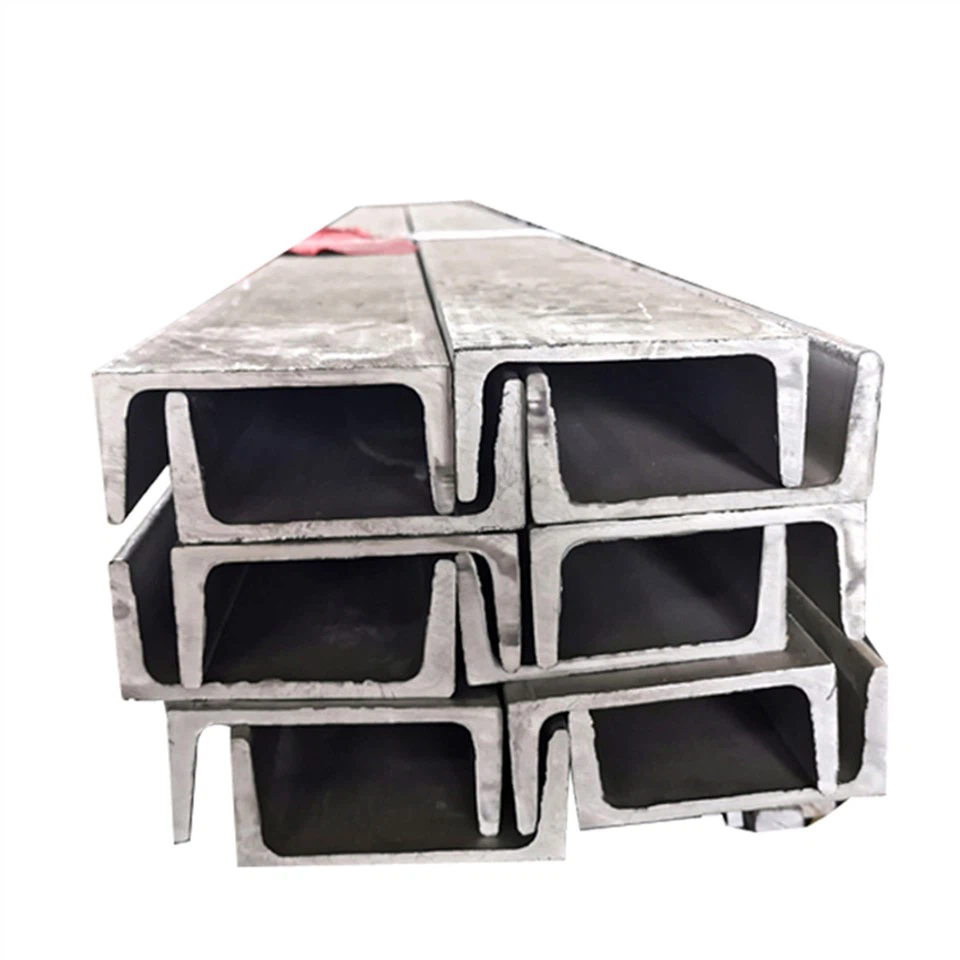

Channel steel has flat surfaces that make it easy to drill holes and install bolts or weld other components. This ensures a secure and reliable connection. It also provides a convenient way to adjust and align different parts during the construction process.
The Z Type Channel is a great option for connection and attachment. Its unique Z - shape allows for easy overlapping and connection with other channel steels or structural elements. This makes it a versatile choice for creating complex connections in bridge construction.
Cost - Effectiveness
Another advantage of using channel steel in bridges is its cost - effectiveness. Compared to some other materials, channel steel is relatively inexpensive. It offers a high strength - to - cost ratio, which means you can get a lot of structural performance for your money.
In addition, channel steel is easy to manufacture and transport. This reduces the overall construction cost. Its availability in various sizes and shapes also means that it can be tailored to fit different bridge designs without incurring excessive costs.
Ease of Installation
Channel steel is relatively easy to install, which is a big plus in bridge construction. Its simple shape and standardized dimensions make it straightforward to handle on the construction site. Workers can quickly cut, drill, and assemble channel steel components, reducing the construction time.
This ease of installation also means that there is less room for error. With proper training, construction crews can install channel steel accurately and efficiently, ensuring the quality and safety of the bridge.
Durability
Bridges need to last for a long time, and channel steel offers excellent durability. It is resistant to corrosion, especially when properly coated or galvanized. This means that it can withstand the harsh environmental conditions that bridges are often exposed to, such as moisture, saltwater, and chemicals.
The high - strength nature of channel steel also makes it resistant to wear and tear. It can handle the constant traffic and dynamic loads without significant deformation or damage. This ensures the long - term integrity of the bridge.
Customization
As a channel steel supplier, I know that every bridge project is unique. That's why we offer a wide range of customization options. We can produce channel steel in different sizes, thicknesses, and lengths to meet the specific needs of your bridge design.
Whether you need a special shape or a particular grade of steel, we can work with you to create the perfect solution. Our team of experts can also provide technical support and advice to ensure that you get the most out of your channel steel.
Conclusion
In conclusion, channel steel is an indispensable material in bridge construction. Its uses range from structural support and framework to connection and attachment. It offers cost - effectiveness, ease of installation, durability, and customization options.
If you're involved in a bridge construction project and are looking for high - quality channel steel, I'd love to hear from you. Whether you need more information about our products or want to discuss your specific requirements, feel free to reach out. We're here to help you build a safe, reliable, and long - lasting bridge.
References
- "Steel Structures in Bridge Engineering" - A comprehensive guide on the use of steel in bridge construction.
- "Channel Steel Handbook" - A technical reference book that details the properties and applications of channel steel.