

Hey there! As a channel steel supplier, I often get asked about the yield strength of channel steel. So, I thought I'd write this blog to break it down for you in a simple and easy - to - understand way.
First off, let's talk about what yield strength actually means. In the world of materials, yield strength is the stress at which a material begins to deform plastically. Before reaching the yield strength, the material will return to its original shape when the stress is removed. But once the yield strength is exceeded, the material will have a permanent change in shape. It's like that point when you're bending a paperclip. At first, it springs back, but if you bend it too far, it stays bent.
For channel steel, the yield strength is a crucial property. It determines how much load the channel steel can handle before it starts to deform in a non - recoverable way. This is super important in construction and engineering projects. You don't want the channel steel in a building or a bridge to start deforming under normal loads, right?
The yield strength of channel steel can vary depending on several factors. One of the main factors is the type of material the channel steel is made from.
Stainless Steel Channel Steel
Stainless steel channel steel is a popular choice due to its corrosion resistance. You can check out more about Stainless Steel Channel Steel. The yield strength of stainless steel channel steel typically ranges from about 205 MPa (megapascals) to 550 MPa. The exact value depends on the specific grade of stainless steel. For example, austenitic stainless steels like 304 and 316 usually have a lower yield strength compared to some martensitic stainless steels. Austenitic stainless steels are known for their good formability and corrosion resistance, but they might not be as strong in terms of yield strength as some other types.
Aluminum Channel Bar
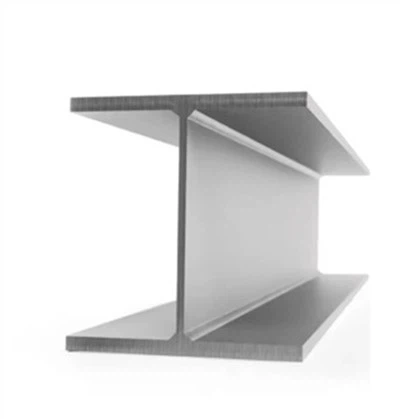
Then there's Aluminum Channel Bar. Aluminum is a lightweight material, and its channel bars are used in many applications where weight is a concern, like in the aerospace and automotive industries. The yield strength of aluminum channel bars can vary widely based on the alloy. Generally, it can range from around 35 MPa for some pure aluminum alloys to over 400 MPa for high - strength aluminum alloys. The advantage of using aluminum is its low density, which means you can get a channel bar that's relatively light but still has a decent yield strength for certain applications.
Anodized Aluminum Channel Bar
Anodized aluminum channel bars are a special type. The anodizing process adds a protective layer to the aluminum, which can also have an impact on its properties. You can find more details about Anodized Aluminum Channel Bar. The anodizing doesn't significantly change the yield strength of the base aluminum alloy, but it does improve its corrosion resistance. So, if you're using the channel bar in an environment where it might be exposed to moisture or chemicals, anodized aluminum could be a great option.
Another factor that affects the yield strength of channel steel is the manufacturing process. Hot - rolled channel steel is made by passing the steel through rollers at high temperatures. This process can result in a channel steel with a more uniform grain structure, which can influence its yield strength. Cold - rolled channel steel, on the other hand, is processed at room temperature. Cold - rolling can increase the yield strength of the steel because it work - hardens the material. The cold - rolling process deforms the steel, creating dislocations in the crystal structure, which makes it more difficult for the material to deform further.


The dimensions of the channel steel also play a role. A thicker and wider channel steel will generally have a higher yield strength compared to a thinner and narrower one. This is because there's more material to resist the applied stress. For example, a large - sized channel steel used in a heavy - duty construction project will need to have a high yield strength to support the loads.
When you're choosing channel steel for your project, it's important to know the yield strength requirements. You need to consider the maximum load the channel steel will be subjected to, the environmental conditions it will be in, and the overall design of your structure. If you're not sure about the yield strength you need, it's a good idea to consult with an engineer. They can help you calculate the appropriate yield strength based on your project's specifications.
As a channel steel supplier, I can provide you with channel steel of different materials, grades, and dimensions. We have a wide range of products, and we can also offer technical support to help you choose the right channel steel for your needs. Whether you're working on a small DIY project or a large - scale industrial construction, we've got you covered.
If you're interested in purchasing channel steel or have any questions about the yield strength or other properties, feel free to reach out. We're here to make the process as easy as possible for you. We can provide you with samples, quotes, and all the information you need to make an informed decision.
In conclusion, understanding the yield strength of channel steel is essential for anyone involved in construction, engineering, or manufacturing. It helps you choose the right material for your project, ensuring the safety and durability of your structures. So, don't hesitate to get in touch if you need our channel steel products. We're looking forward to working with you!
References
- "Materials Science and Engineering: An Introduction" by William D. Callister Jr. and David G. Rethwisch
- "Metals Handbook Desk Edition" by ASM International