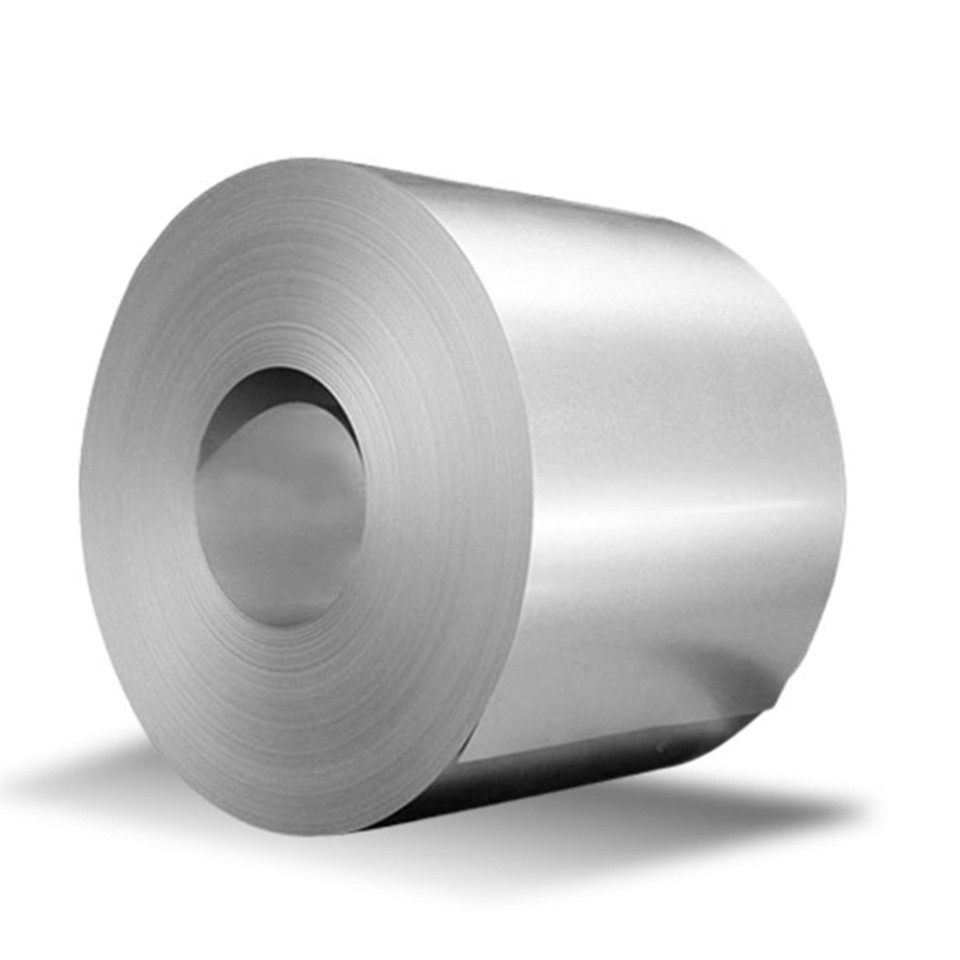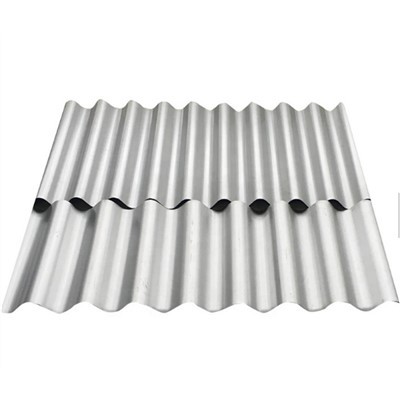

The purpose of salt spray testing on pre-coated steel is to evaluate the corrosion resistance and protective capabilities of its coating and substrate in a simulated marine atmospheric environment.
Key objectives include:
Simulated Corrosion Environment: Salt spray testing creates an accelerated, high-humidity, high-salt environment, simulating corrosive conditions that may be encountered in coastal or industrial environments.
Accelerated Aging Testing: Observing corrosion phenomena that might take months or even years to appear under natural conditions within a short period (e.g., days or weeks) saves time and costs.
Performance Comparison and Quality Control:** Comparing the corrosion resistance of different coating systems, suppliers, or production batches helps select the most suitable material and ensure product quality meets standard requirements.
Failure Mode Analysis:** Observing the location (e.g., scratches, edges, surface) and form (e.g., blistering, peeling, rusting) of corrosion helps analyze the causes of coating failure and improve processes or formulations.
Product Standard Compliance Verification:** Verifying whether the product meets specific industry standards or customer-required corrosion resistance life indicators.
Salt spray testing of pre-coated steel mainly refers to relevant international or national standards (such as ASTM B117, GB/T 10125, or ISO 9227, etc.), using the most common neutral salt spray test (NSS) method. Specific steps and requirements are as follows:
1. Test Preparation
Specimen Preparation: Cut specimens of the specified dimensions from the pre-coated steel sheet. Unless otherwise specified in the standard, the specimen surface usually needs to be scrubbed (the scrub must penetrate the coating to the substrate) to assess the coating's resistance to corrosion propagation at the damaged edge.
Specimen Cleaning: Before the test, the specimen surface should be thoroughly cleaned according to the standard's specified method to remove oil and impurities, but care should be taken to avoid damaging the coating.
Preparation of Salt Solution: Prepare a 5% (mass percentage) salt solution using chemically pure sodium chloride (NaCl) and distilled or deionized water.
The pH value of the solution should be between 6.5 and 7.2, and measured at 35°C.
Equipment Preparation: Ensure the salt spray test chamber (salt spray box) is in good working order, with controllable parameters such as temperature, humidity, spray volume, and collection rate.
2. Test Procedure:
Sample Installation: Place the sample inside the test chamber with the test surface facing upwards at an angle of 15° to 30° to the vertical. Avoid contact between samples and between the sample and the chamber body to ensure the salt spray can freely settle onto all surfaces.
Setting Conditions:
The internal temperature of the test chamber should be maintained at 35℃ ± 2℃.
The spray pressure should be set between 70 kPa and 170 kPa.
The salt spray collection rate is typically required to be between 1.0 and 2.0 mL/80cm²/h.
Continuous Spraying: Start the equipment and maintain continuous spraying of the salt solution to fill the chamber with a uniform salt spray atmosphere.
Test Cycle: The test duration is determined according to product standards or agreements between the supplier and the buyer. Common exposure times include 240 hours, 480 hours, and even 1440 hours. The test should generally not be interrupted except for brief routine checks or solution replenishment.
3. Result Evaluation
Test Completion: After the predetermined time, remove the sample.
Sample Cleaning: Allow the sample to air dry indoors for 0.5 to 1 hour, then gently rinse away any remaining salt deposits with clean running water at a temperature not exceeding 40°C, and dry with compressed air.
Visual Inspection and Rating: Immediately conduct a visual inspection of the sample to assess the degree of corrosion, such as rust, blistering, peeling, cracks, and corrosion spread at scratches. Rating is usually based on standards such as the ISO 4628 series.
Record and Report: Record all observations, test conditions, and parameters, and determine whether the corrosion resistance of the color-coated steel is qualified according to relevant standards.