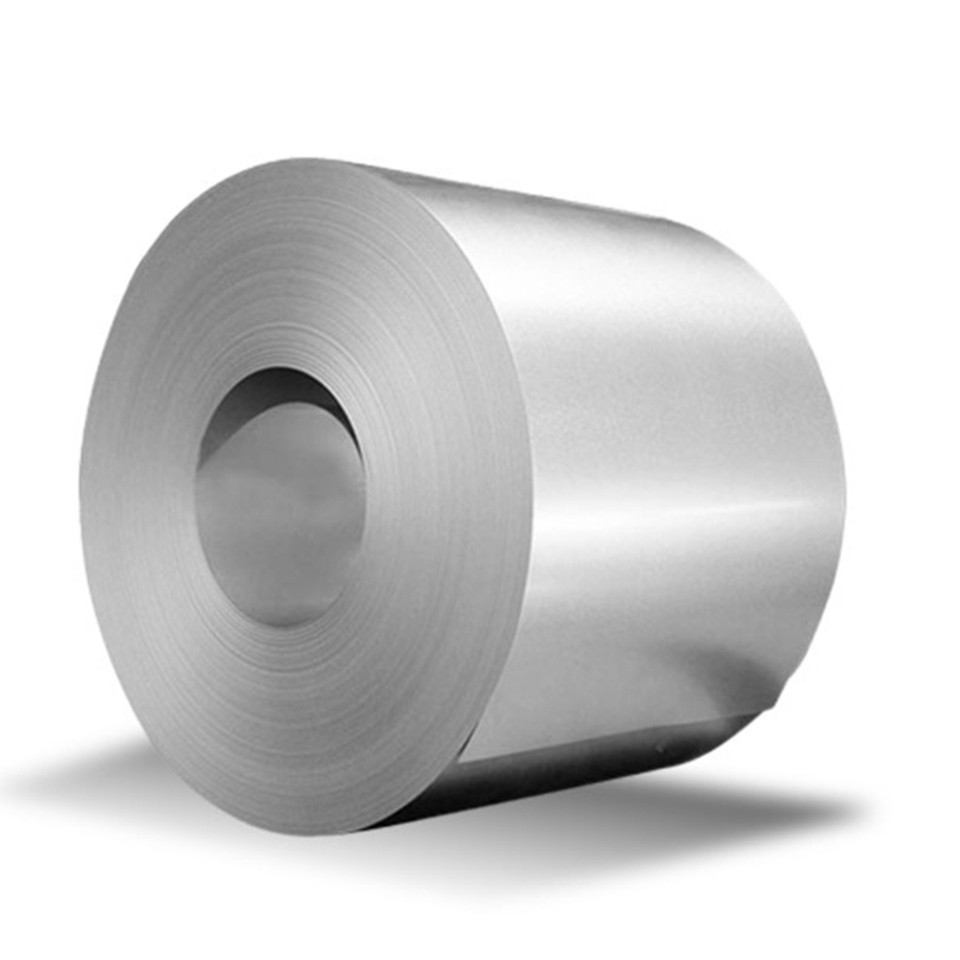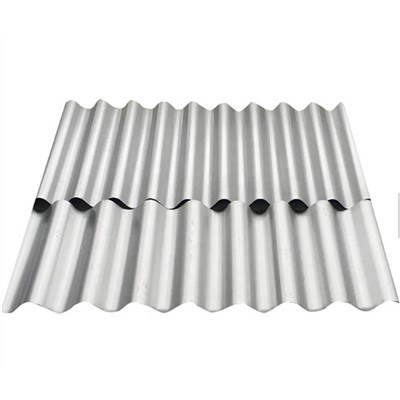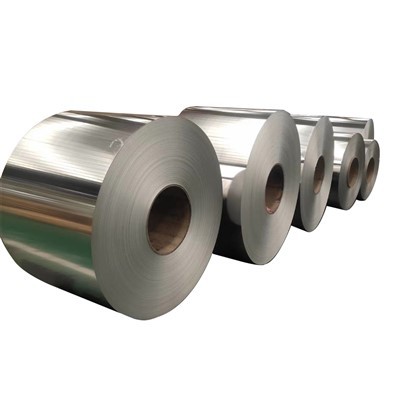

Cold-rolled steel plate: The basic processing for rolling and shaping
The production of cold-rolled steel plates uses hot-rolled steel plates as raw materials and achieves thickness reduction and performance improvement through multiple rolling passes at room temperature (rolling temperature < recrystallization temperature, usually from room temperature to 100℃). Its core processes include:
Rolling process: Hot-rolled slabs (with a thickness of 3-8mm) are rolled to 0.15-3.0mm by a cold rolling mill. The number of rolling passes is adjusted according to the target thickness (5-8 passes are required for thin specifications), with a reduction rate of 15%-30% per pass. Through plastic deformation of the metal, the grains are refined and the strength is enhanced.
Galvanized steel sheet: Surface treatment for anti-corrosion upgrade
Galvanized steel sheets take cold-rolled steel sheets as the base material (accounting for more than 90%), and are endowed with anti-corrosion capabilities through the galvanizing process. The core processes are divided into hot-dip galvanizing and electro-galvanizing.
Hot-dip galvanizing: After degreasing and pickling, the substrate is immersed in molten zinc at 450-460 ℃ to form a composite coating consisting of a zinc-iron alloy layer (5-15 μm thick) and a pure zinc layer (total zinc layer 50-275 5g/m²). The zinc layer and the substrate are metallurgically bonded, with an adhesion of over 80N/cm.
Annealing treatment: After cold rolling, the plasticity of the steel plate decreases due to work hardening. It needs to undergo continuous annealing (at a temperature of 700-800 ℃) to restore plasticity. Different hardness states (such as soft state, semi-hard state, and hard state) can be obtained according to requirements.