

Can an I - beam be used in a foundation? Well, that's a question I get asked a lot as an I - beam supplier. Let's dig into this topic and see what the deal is.
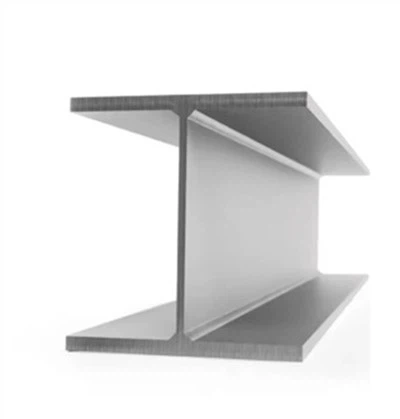
First off, what exactly is an I - beam? An I - beam, as the name suggests, has a cross - section that looks like the letter "I". It's a very common structural steel shape that's known for its high strength - to - weight ratio. This means it can support a lot of weight without being overly heavy itself. There are different types of I - beams available, like Aluminum I Beam, Stainless Steel I Steel, and Anodized Aluminum I Beam.
Now, can it be used in a foundation? The short answer is yes, but it depends on a few factors.
Advantages of Using I - beams in Foundations
One of the biggest advantages of using I - beams in foundations is their strength. They can handle a significant amount of load, which is crucial for a foundation. Whether it's a small residential building or a large commercial structure, the foundation needs to be able to support the weight of the entire building and any additional loads like snow, wind, or people.
I - beams are also relatively easy to install. Compared to some other foundation materials, they can be quickly put in place, which can save time and labor costs during construction. They can be cut and welded on - site to fit the specific requirements of the foundation design.


Another benefit is their durability. Steel I - beams, in particular, are resistant to rot, pests, and fire. This means that the foundation will last a long time without needing major repairs or replacements. Aluminum I - beams are also a great option as they are lightweight and corrosion - resistant, making them suitable for areas with high humidity or near the coast.
Factors to Consider
However, there are some factors that you need to take into account before using I - beams in a foundation.
Soil Conditions
The type of soil at the construction site is a critical factor. If the soil is soft or unstable, an I - beam foundation may not be the best choice. Soft soil can cause the I - beams to sink or shift over time, which can lead to structural problems in the building. In such cases, additional measures like soil stabilization or deep foundations may be required.
Building Design
The design of the building also matters. A large, multi - story building with a complex layout may require a more robust foundation system than a small, single - story structure. The load distribution across the foundation needs to be carefully calculated to ensure that the I - beams can handle the weight.
Cost
Cost is always a consideration in any construction project. While I - beams can be cost - effective in terms of installation and long - term durability, the initial cost of purchasing the I - beams and the associated installation equipment can be relatively high. You need to compare the costs of using I - beams with other foundation options to see what makes the most financial sense for your project.
Types of I - beams Suitable for Foundations
Steel I - beams
Steel I - beams are the most commonly used type for foundations. They come in different sizes and grades, allowing you to choose the one that best suits your project's needs. High - strength steel I - beams can support heavy loads and are often used in large commercial and industrial buildings.
Aluminum I - beams
Aluminum I - beams are a good alternative for projects where weight is a concern or where corrosion resistance is required. They are lighter than steel I - beams, which can make them easier to handle during installation. The Aluminum I Beam and Anodized Aluminum I Beam options are popular for their durability and aesthetic appeal.
Installation Process
If you decide to use I - beams in your foundation, here's a general overview of the installation process.
First, the site needs to be prepared. This involves clearing the area, excavating to the required depth, and leveling the ground. The I - beams are then placed in the excavated area according to the foundation design. They are usually connected to each other using welding or bolting techniques to form a stable structure.
Once the I - beams are in place, a concrete slab or other foundation elements may be added on top to provide additional support and stability. The entire foundation system needs to be carefully inspected to ensure that it meets the building codes and safety standards.
Case Studies
Let's take a look at a couple of real - world examples where I - beams were used in foundations.
In a small residential project, the builder decided to use steel I - beams for the foundation. The site had relatively stable soil, and the building was a single - story house. The I - beams were installed quickly, and the project was completed ahead of schedule. The homeowner was happy with the durability and strength of the foundation, and there have been no issues with the structure since it was built.
In a commercial project near the coast, aluminum I - beams were chosen for the foundation. The high humidity and saltwater environment made corrosion a major concern. The Anodized Aluminum I Beam provided excellent corrosion resistance, and the building has remained in good condition for several years.
Conclusion
So, to sum it up, an I - beam can definitely be used in a foundation, but it's not a one - size - fits - all solution. You need to consider factors like soil conditions, building design, and cost before making a decision. As an I - beam supplier, I've seen firsthand the benefits that I - beams can bring to a foundation project. They offer strength, durability, and ease of installation.
If you're thinking about using I - beams in your next foundation project, I'd love to help. We have a wide range of I - beams available, including Aluminum I Beam, Stainless Steel I Steel, and Anodized Aluminum I Beam. Contact us to discuss your project requirements and get a quote.
References
- Building Construction Handbook
- Steel Structures Design Guide
- Aluminum Alloys in Construction Manual