

Hey there! As an angle steel supplier, I've seen firsthand how crucial it is for angle steel to have good fatigue resistance. Fatigue failure can be a real headache, leading to unexpected breakdowns and costly repairs. Today, I'm gonna share some tips on how to improve the fatigue resistance of angle steel.
Understanding Fatigue in Angle Steel
Before we dive into the solutions, let's quickly understand what fatigue is. Fatigue happens when angle steel is subjected to repeated loading and unloading. Over time, these cyclic stresses can cause tiny cracks to form. These cracks then grow, and eventually, the angle steel fails. This kind of failure can occur even when the applied stress is much lower than the steel's ultimate strength.
Material Selection
One of the first steps in improving fatigue resistance is choosing the right material. We offer a variety of angle steel options, including Carbon Steel Angle Steel and Aluminum Angle Bar.
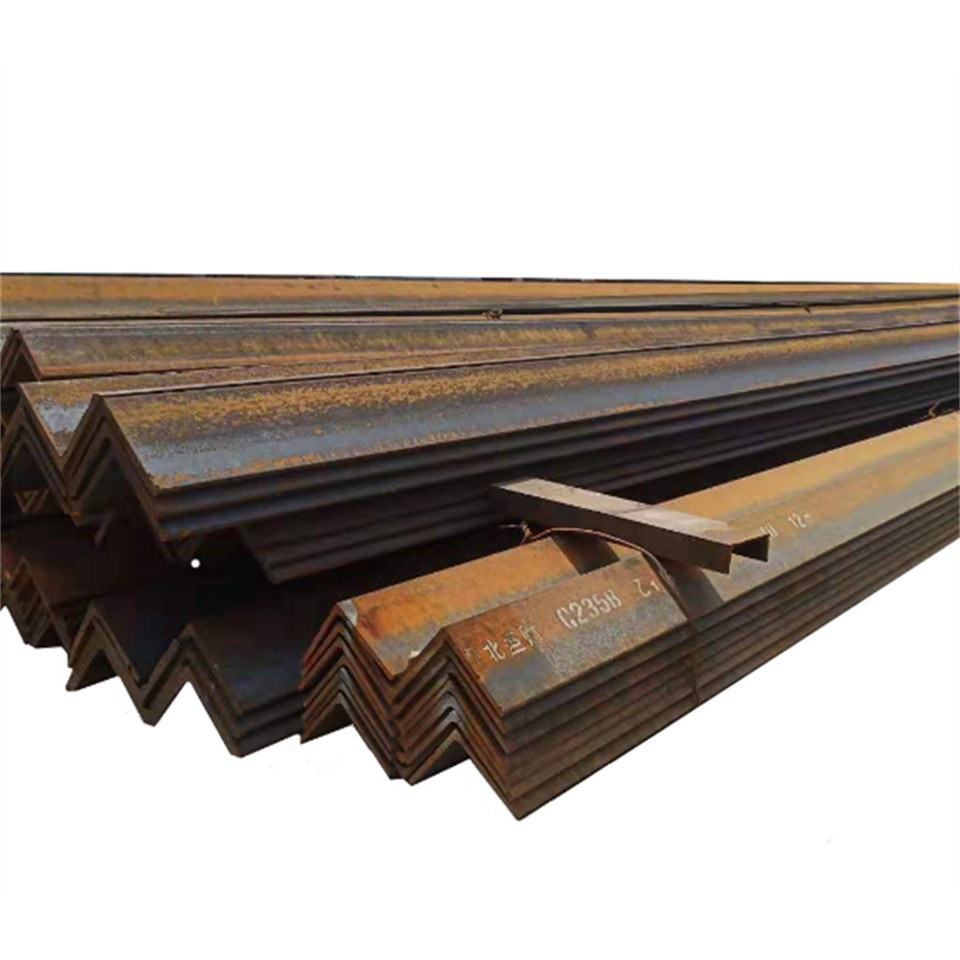
Carbon steel angle steel is a popular choice due to its high strength and relatively low cost. It has good fatigue properties, especially when proper heat treatment is applied. The carbon content in the steel affects its strength and hardness, which in turn influence fatigue resistance. Generally, a medium-carbon steel with a well-balanced microstructure can offer better fatigue performance.

On the other hand, aluminum angle bars have some unique advantages. They are lightweight, corrosion-resistant, and have good ductility. The Anodized Aluminum Angle Bar is even more corrosion-resistant due to the anodizing process, which creates a protective oxide layer on the surface. This can prevent surface damage that might initiate fatigue cracks.
Heat Treatment
Heat treatment is a powerful tool to enhance the fatigue resistance of angle steel. By heating the steel to a specific temperature and then cooling it at a controlled rate, we can change its microstructure. For example, quenching and tempering can increase the strength and toughness of carbon steel angle steel.
Quenching involves heating the steel to a high temperature and then rapidly cooling it. This forms a hard martensitic structure. However, martensite is brittle, so tempering is necessary. Tempering is done by reheating the quenched steel to a lower temperature and holding it there for a certain period. This reduces the brittleness and improves the toughness, resulting in better fatigue resistance.
For aluminum angle bars, heat treatment can also be used to improve their mechanical properties. Solution heat treatment followed by aging can increase the strength and hardness of aluminum, which can enhance its fatigue performance.
Surface Finish
The surface finish of angle steel plays a significant role in fatigue resistance. A rough surface can act as stress concentrators, where cracks are more likely to initiate. So, it's important to have a smooth surface finish.
We can use various methods to achieve a good surface finish. Machining processes like grinding and polishing can remove surface irregularities and create a smooth surface. Shot peening is another effective technique. In shot peening, small metal shots are blasted onto the surface of the angle steel. This creates compressive stresses on the surface, which can prevent crack initiation and slow down crack growth.
Design Considerations
Proper design is essential for improving the fatigue resistance of angle steel. When designing structures using angle steel, we need to avoid sharp corners and sudden changes in cross - section. These features can cause stress concentrations, which increase the likelihood of fatigue failure.
Instead, we should use rounded corners and gradual transitions in the design. For example, if an angle steel is used in a frame, the joints should be designed to distribute the stress evenly. Reinforcing the critical areas of the structure can also help to reduce the stress levels and improve fatigue resistance.
Corrosion Protection
Corrosion can significantly reduce the fatigue resistance of angle steel. Corrosion products can cause pitting on the surface, which act as stress concentrators and initiate fatigue cracks. So, corrosion protection is crucial.
For carbon steel angle steel, painting is a common method of corrosion protection. A good quality paint can create a barrier between the steel and the environment, preventing moisture and oxygen from reaching the surface. Galvanizing is another effective option. Galvanizing involves coating the steel with a layer of zinc, which provides sacrificial protection.
As mentioned earlier, anodized aluminum angle bars have inherent corrosion resistance. However, additional protective coatings can be applied for more severe environments.
Inspection and Maintenance
Regular inspection and maintenance are vital to ensure the long - term fatigue resistance of angle steel. Inspections can detect early signs of fatigue cracks, such as surface cracks or changes in the structure's behavior.
Non - destructive testing methods like ultrasonic testing and magnetic particle testing can be used to detect internal and surface cracks respectively. If cracks are detected, appropriate repair or replacement measures should be taken promptly.
Maintenance also includes keeping the angle steel clean and dry, and reapplying protective coatings when necessary.
Conclusion
Improving the fatigue resistance of angle steel involves a combination of material selection, heat treatment, surface finish, design, corrosion protection, and inspection and maintenance. By following these steps, we can ensure that the angle steel we supply performs well under cyclic loading and has a long service life.
If you're interested in purchasing high - quality angle steel with excellent fatigue resistance, don't hesitate to reach out for a procurement discussion. We're here to help you find the best angle steel solutions for your projects.
References
- ASM Handbook Volume 13A: Corrosion: Fundamentals, Testing, and Protection
- ASM Handbook Volume 4A: Heat Treating: Steel and Hardening
- "Mechanical Behavior of Materials" by Norman E. Dowling