

Hey there! As a channel steel supplier, I've seen firsthand how crucial it is to measure channel steel accurately. Whether you're a construction pro, a DIY enthusiast, or just someone looking to get the right materials for a project, nailing those measurements can make all the difference. In this blog, I'll share some tips and tricks on how to measure channel steel like a pro.
Why Accurate Measurements Matter
Before we dive into the how-to, let's talk about why accurate measurements are so important. Channel steel is used in a wide range of applications, from building structures to manufacturing machinery. If your measurements are off, you could end up with materials that don't fit properly, leading to costly delays and potential safety hazards.
For example, if you're building a steel frame for a building, even a small measurement error could cause the frame to be unstable. Or, if you're using channel steel in a manufacturing process, inaccurate measurements could result in parts that don't work together correctly. So, taking the time to measure accurately is definitely worth it.
Tools You'll Need
To measure channel steel accurately, you'll need a few basic tools. Here's what I recommend:


- Tape Measure: A good quality tape measure is essential. Look for one that's at least 25 feet long and has clear markings.
- Caliper: A caliper is a precision measuring tool that can be used to measure the thickness and width of the channel steel. There are two main types of calipers: digital and vernier. Digital calipers are easier to read, but vernier calipers are more accurate.
- Square: A square is used to check the angles of the channel steel. Make sure you have a reliable square that's large enough to fit the size of the channel steel you're measuring.
- Level: A level is used to ensure that the channel steel is straight and level. This is important for both installation and measurement purposes.
Measuring the Dimensions
Now that you have your tools, let's start measuring the channel steel. Here's a step-by-step guide:
- Measure the Length: Use your tape measure to measure the length of the channel steel from one end to the other. Make sure the tape measure is straight and parallel to the length of the channel steel. Record the measurement in inches or millimeters, depending on your preference.
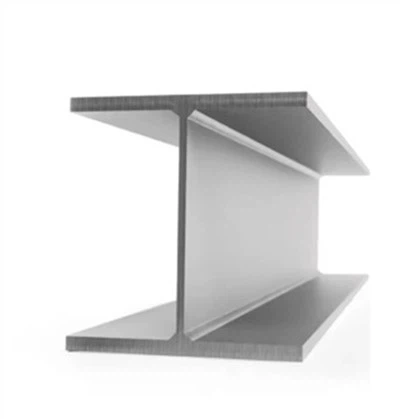
- Measure the Width: The width of the channel steel is the distance between the outer edges of the flanges. Use your caliper to measure the width at several points along the length of the channel steel to ensure accuracy. Record the measurement in inches or millimeters.
- Measure the Height: The height of the channel steel is the distance between the top and bottom of the web. Use your caliper to measure the height at several points along the length of the channel steel. Record the measurement in inches or millimeters.
- Measure the Thickness: The thickness of the channel steel is the distance between the inner and outer surfaces of the web and flanges. Use your caliper to measure the thickness at several points along the length of the channel steel. Record the measurement in inches or millimeters.
Checking the Angles
In addition to measuring the dimensions, it's also important to check the angles of the channel steel. Here's how:
- Check the Right Angles: Use your square to check the angles at the corners of the channel steel. Make sure the angles are 90 degrees. If the angles are off, the channel steel may not fit properly or could cause problems during installation.
- Check the Straightness: Use your level to check the straightness of the channel steel. Place the level on the top of the channel steel and check for any signs of curvature or bowing. If the channel steel is not straight, it may need to be straightened or replaced.
Different Types of Channel Steel
There are several different types of channel steel available, each with its own unique characteristics and applications. Here are some of the most common types:
- Galvanized Steel Channel Steel: Galvanized steel channel steel is coated with a layer of zinc to protect it from corrosion. This makes it ideal for outdoor applications or environments where the channel steel will be exposed to moisture.
- Stainless Steel Channel Steel: Stainless steel channel steel is made from a corrosion-resistant alloy of steel and chromium. It's often used in applications where hygiene and durability are important, such as in the food processing industry or in marine environments.
- C Type Channel: C type channel steel has a C-shaped cross-section and is commonly used in construction and manufacturing. It's available in a variety of sizes and thicknesses to meet different requirements.
Tips for Accurate Measurement
Here are some additional tips to help you measure channel steel accurately:
- Take Multiple Measurements: To ensure accuracy, take multiple measurements at different points along the length of the channel steel. This will help you identify any variations or inconsistencies in the dimensions.
- Use a Stable Surface: When measuring the channel steel, make sure it's placed on a stable surface. This will prevent it from moving or shifting during the measurement process, which could affect the accuracy of your measurements.
- Clean the Surface: Before measuring the channel steel, make sure the surface is clean and free of dirt, debris, or rust. This will ensure that your caliper and tape measure make good contact with the surface, resulting in more accurate measurements.
- Record Your Measurements: Keep a record of all your measurements, including the length, width, height, thickness, and angles. This will help you keep track of the specifications of the channel steel and ensure that you order the correct materials for your project.
Conclusion
Measuring channel steel accurately is an important skill that can save you time, money, and headaches in the long run. By following the tips and techniques outlined in this blog, you'll be able to measure channel steel like a pro and ensure that you get the right materials for your project.
If you're in the market for channel steel, I'd love to help you find the right products for your needs. Whether you're looking for galvanized steel channel steel, stainless steel channel steel, or C type channel, we have a wide range of options available at competitive prices. Just reach out to us, and we'll be happy to discuss your requirements and provide you with a quote.
References
- "Steel Construction Manual," American Institute of Steel Construction
- "Measurement and Metrology," John Wiley & Sons