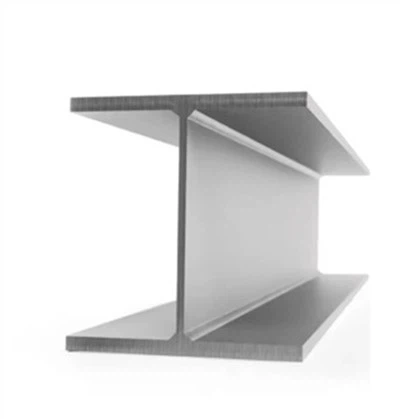


Aluminum rods are incredibly versatile materials that have found their way into a wide range of DIY projects. As an aluminum rod supplier, I've witnessed firsthand the creativity and innovation that DIY enthusiasts bring to their projects using these rods. In this blog post, I'll explore the various uses of aluminum rods in DIY projects, highlighting their unique properties and benefits.


Structural Support
One of the most common uses of aluminum rods in DIY projects is for structural support. Aluminum is known for its high strength-to-weight ratio, making it an ideal choice for applications where lightweight yet sturdy materials are required. Whether you're building a small shelf, a garden trellis, or a large-scale outdoor structure, aluminum rods can provide the necessary support without adding excessive weight.
For example, if you're constructing a custom bookshelf, you can use aluminum rods as the vertical supports. The rods can be cut to the desired length and attached to the base and top of the shelf using brackets or welding. The lightweight nature of aluminum makes it easy to handle and install, while its strength ensures that the shelf can hold a significant amount of weight.
Frame Construction
Aluminum rods are also popular for frame construction in DIY projects. They can be used to create frames for picture frames, mirrors, or even custom furniture. The smooth surface of aluminum rods gives a modern and sleek look to the finished product, and they can be easily painted or powder-coated to match the desired aesthetic.
When building a picture frame, for instance, you can use aluminum rods to create the outer frame. The rods can be joined together using miter joints or corner brackets to form a square or rectangular shape. The frame can then be attached to the picture using clips or adhesive. Aluminum frames are not only durable but also resistant to corrosion, ensuring that your pictures and mirrors are protected for years to come.
Art and Sculpture
DIY artists and sculptors often turn to aluminum rods for their creative projects. Aluminum is a malleable material that can be easily bent, shaped, and welded, allowing artists to bring their unique visions to life. Whether you're creating a small abstract sculpture or a large-scale outdoor installation, aluminum rods offer endless possibilities for artistic expression.
You can use aluminum rods to create the framework for a sculpture and then add other materials such as wire, fabric, or metal sheets to give it texture and depth. The lightweight nature of aluminum makes it easy to move and install the sculpture, and its resistance to corrosion ensures that it will withstand the elements.
Automotive and Bicycle Projects
Aluminum rods are also widely used in automotive and bicycle DIY projects. In automotive applications, they can be used to create custom exhaust systems, roll cages, or suspension components. Aluminum's high strength and heat resistance make it an excellent choice for these applications, as it can withstand the rigors of high-performance driving.
In bicycle projects, aluminum rods can be used to build custom frames, handlebars, or seat posts. The lightweight nature of aluminum helps to reduce the overall weight of the bicycle, making it easier to ride and more efficient. Additionally, aluminum is resistant to rust and corrosion, which is important for bicycles that are exposed to the elements.
Electrical and Plumbing Projects
In electrical and plumbing DIY projects, aluminum rods can serve various purposes. In electrical applications, they can be used as conductors or grounding rods. Aluminum is a good conductor of electricity, and its lightweight nature makes it easy to install in electrical systems.
In plumbing projects, aluminum rods can be used to create custom pipe supports or brackets. The corrosion-resistant properties of aluminum ensure that the supports will last for a long time, even in wet or humid environments.
Types of Aluminum Rods for DIY Projects
There are several types of aluminum rods available, each with its own unique properties and characteristics. Here are some of the most common types used in DIY projects:
- 1100 Aluminum Rod: This is a commercially pure aluminum rod with excellent corrosion resistance and high thermal conductivity. It is soft and ductile, making it easy to form and weld. 1100 aluminum rods are often used in applications where appearance and corrosion resistance are important, such as in decorative projects or food processing equipment.
- 3A21 Aluminum Rod: 3A21 aluminum is an aluminum-manganese alloy that offers good strength and corrosion resistance. It is commonly used in structural applications, such as in the construction of frames and supports. The alloy has good formability and can be easily welded and machined.
- 6061 Aluminum Rod: 6061 is one of the most popular aluminum alloys for DIY projects. It has a high strength-to-weight ratio, good corrosion resistance, and excellent machinability. 6061 aluminum rods are commonly used in automotive, aerospace, and structural applications, as well as in art and sculpture projects.
Tips for Working with Aluminum Rods in DIY Projects
- Cutting: Use a hacksaw, band saw, or a metal cutting saw to cut aluminum rods to the desired length. Make sure to wear safety goggles and gloves to protect yourself from sharp edges.
- Bending: Aluminum rods can be bent using a pipe bender or by heating the rod and bending it manually. When heating the rod, use a torch and heat it evenly to avoid overheating or warping.
- Welding: If you need to weld aluminum rods, use a TIG (Tungsten Inert Gas) welder. TIG welding provides a clean and strong weld, and it is suitable for most aluminum alloys.
- Finishing: After cutting, bending, or welding the aluminum rods, you can finish them by sanding, polishing, or painting. Sanding will give the rods a smooth surface, while polishing will give them a shiny finish. Painting or powder-coating can be used to protect the rods from corrosion and to give them a desired color.
Conclusion
Aluminum rods are a versatile and valuable material for DIY projects. Their high strength-to-weight ratio, corrosion resistance, and ease of use make them suitable for a wide range of applications, from structural support and frame construction to art and sculpture. As an aluminum rod supplier, I'm committed to providing high-quality aluminum rods to DIY enthusiasts and professionals alike.
If you're interested in using aluminum rods for your next DIY project, I encourage you to explore the different types available and choose the one that best suits your needs. Whether you're a beginner or an experienced DIYer, aluminum rods offer endless possibilities for creativity and innovation. Contact us to discuss your project requirements and explore our range of aluminum rods. We're here to help you bring your DIY ideas to life.
References
- ASM Handbook Committee. (2000). ASM Handbook, Volume 2: Properties and Selection: Nonferrous Alloys and Special-Purpose Materials. ASM International.
- Davis, J. R. (Ed.). (1993). Aluminum and Aluminum Alloys. ASM International.
- Metals Handbook Committee. (1990). Metals Handbook, Volume 6: Welding, Brazing, and Soldering. ASM International.