

What is the availability of i - beams in the market?
As a seasoned i - beam supplier, I've witnessed firsthand the dynamic nature of the i - beam market. The availability of i - beams is influenced by a multitude of factors, including raw material supply, manufacturing capacity, market demand, and technological advancements. In this blog, I'll delve into these aspects to provide a comprehensive understanding of the current state of i - beam availability.
Raw Material Supply
The production of i - beams primarily relies on raw materials such as steel and aluminum. The availability of these raw materials is subject to global market conditions, geopolitical factors, and natural disasters.
Steel, being the most common material for i - beams, is highly dependent on the iron ore market. Iron ore prices can fluctuate significantly due to changes in supply and demand. For instance, if major iron ore - producing countries like Australia or Brazil experience disruptions in mining operations due to bad weather or labor strikes, the supply of iron ore will decrease, leading to higher steel prices and potentially reduced availability of steel i - beams.
Aluminum, on the other hand, is sourced from bauxite. The production of aluminum is energy - intensive, and fluctuations in energy prices can impact its availability. Additionally, environmental regulations in bauxite - producing regions can also affect the supply chain. When raw material supply is tight, manufacturers may face difficulties in procuring sufficient materials to produce i - beams, resulting in limited availability in the market.
Manufacturing Capacity
The manufacturing capacity of i - beam producers plays a crucial role in determining availability. Modern i - beam manufacturing requires advanced machinery and skilled labor. Some manufacturers may have limited production lines, which restricts their output.
Newer manufacturing technologies, such as automated rolling mills, have increased the efficiency of i - beam production. However, the adoption of these technologies is not uniform across all manufacturers. Smaller producers may not have the financial resources to invest in the latest equipment, which can lead to lower production volumes.
Moreover, maintenance and upgrades of manufacturing facilities can also cause temporary disruptions in production. For example, if a rolling mill needs to be shut down for a major overhaul, the production of i - beams will halt during that period, reducing the overall availability in the market.
Market Demand
Market demand is a key driver of i - beam availability. The construction industry is the largest consumer of i - beams, using them for building frames, bridges, and industrial structures. When the construction sector is booming, the demand for i - beams surges.
In recent years, there has been a growing trend towards sustainable and energy - efficient buildings. This has led to an increased demand for i - beams made from recycled materials or with enhanced structural properties. As a result, the availability of specialized i - beams may be more limited compared to standard ones.
Other industries, such as the automotive and manufacturing sectors, also use i - beams for various applications. For example, i - beams are used in the chassis of heavy - duty vehicles. When these industries experience growth, the demand for i - beams rises, putting pressure on the supply.
Types of I - Beams and Their Availability
There are different types of i - beams available in the market, each with its own characteristics and availability.
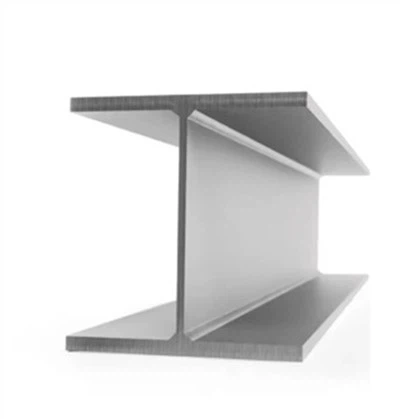
Aluminum I Beam is lightweight and corrosion - resistant, making it suitable for applications where weight is a concern, such as in aerospace and some architectural projects. However, due to the relatively high cost of aluminum production and the specialized manufacturing processes required, the availability of aluminum i - beams may be more limited compared to steel ones.
Carbon Steel I Steel is the most commonly used type of i - beam. It offers high strength and is relatively inexpensive. Carbon steel i - beams are widely available in various sizes and specifications, as they are produced by a large number of manufacturers. However, during periods of high demand or raw material shortages, the availability of certain sizes or grades may be restricted.
Galvanized Steel I Steel has a zinc coating that provides excellent corrosion resistance. It is often used in outdoor and marine applications. The galvanizing process adds an extra step to the manufacturing, which can affect the production time and availability. In some cases, there may be a waiting period for galvanized i - beams, especially if the demand for corrosion - resistant materials is high.
Geographical Availability
The availability of i - beams can also vary geographically. In regions with a strong manufacturing base, such as Asia and Europe, i - beams are generally more readily available. These regions have a large number of producers and well - established supply chains.
In contrast, in remote or less - developed areas, the availability of i - beams may be limited. Transportation costs can be a significant factor, as shipping i - beams over long distances can be expensive. Additionally, local regulations and trade barriers can also impact the import and distribution of i - beams in these regions.
Future Outlook
Looking ahead, the availability of i - beams is likely to continue to be influenced by the factors mentioned above. The push towards sustainable development will likely increase the demand for eco - friendly i - beams, which may pose challenges in terms of availability as manufacturers adapt to new production methods.
Technological advancements in manufacturing are expected to improve production efficiency and potentially increase the availability of i - beams. However, the transition to new technologies will take time, and some producers may lag behind.
Contact for Procurement
If you are in the market for i - beams, whether it's for a small - scale project or a large - scale industrial development, I encourage you to reach out to discuss your specific requirements. We have a wide range of i - beams in different materials, sizes, and specifications to meet your needs. Our team of experts can provide you with detailed information on availability, pricing, and delivery options. Don't hesitate to contact us for a procurement discussion.


References
- "Steel Construction Manual" by the American Institute of Steel Construction
- "Aluminum Alloys: Structure and Properties" by D. G. Brandon and W. D. Kaplan
- Industry reports from construction and manufacturing research firms.