

Hey there! As a supplier of the Z Type Channel, I often get asked about its buffering rate. So, let's dive right into it and figure out what the buffering rate of the Z Type Channel actually is.
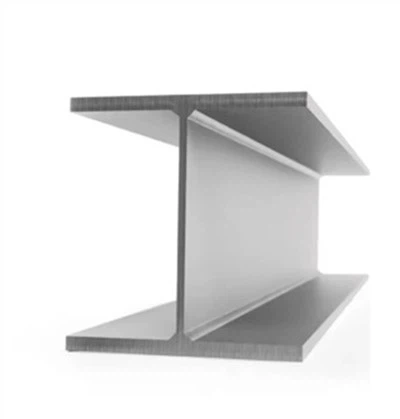
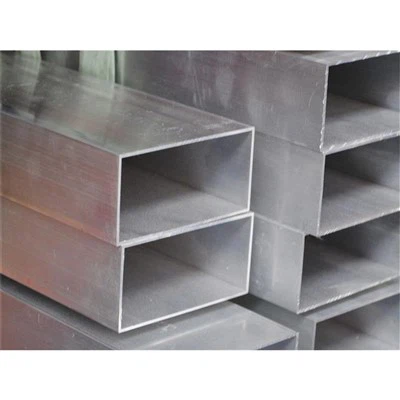
First off, what's this Z Type Channel? Well, it's a type of structural component that's used in a whole bunch of industries. You can find it in construction, manufacturing, and even in some DIY projects. It's a versatile piece that comes in different materials like galvanized steel, carbon steel, and aluminum. If you're interested in these materials, you can check out Galvanized Steel Channel Steel, Carbon Steel Channel Bar, and Aluminum Channel Bar.
Now, let's talk about the buffering rate. The buffering rate of the Z Type Channel refers to its ability to absorb and distribute energy. In simple terms, it's how well the channel can handle shocks and vibrations without getting damaged. This is super important, especially in applications where there's a lot of movement or impact.
For example, in a construction project, the Z Type Channel might be used to support a structure that's subject to wind, earthquakes, or other external forces. A high buffering rate means that the channel can help protect the building from damage by absorbing some of the energy from these forces.
The buffering rate is affected by several factors. One of the main factors is the material of the channel. Different materials have different properties when it comes to energy absorption. Galvanized steel, for instance, is known for its strength and durability. It can withstand a lot of stress and absorb a good amount of energy before deforming. Carbon steel is also quite strong, but it might have a different buffering rate depending on its composition and heat treatment. Aluminum, on the other hand, is lighter and more flexible. It can absorb energy in a different way, often by deforming more easily than steel.


Another factor that affects the buffering rate is the shape and dimensions of the Z Type Channel. The design of the channel can influence how the energy is distributed within it. A well-designed channel will have a more efficient way of absorbing and dissipating energy, which means a higher buffering rate.
To measure the buffering rate, engineers use various testing methods. One common method is the impact test. In this test, a known amount of energy is applied to the channel, and the response of the channel is measured. This can include things like the amount of deformation, the force required to cause the deformation, and how the energy is distributed within the channel.
Let's take a closer look at how the different materials perform in terms of buffering rate. Galvanized steel channels are great for heavy-duty applications. They can handle large amounts of energy and are resistant to corrosion, which is a big plus in outdoor or harsh environments. The zinc coating on galvanized steel also adds an extra layer of protection, which can help maintain the buffering rate over time.
Carbon steel channels are often used in applications where strength is the main priority. They can have a high buffering rate, especially if they're properly heat-treated. However, they might be more prone to corrosion compared to galvanized steel, so they might need some additional protection in certain environments.
Aluminum channels are lightweight and have good corrosion resistance. They're often used in applications where weight is a concern, such as in aerospace or automotive industries. Although they might not have the same high buffering rate as steel channels in some cases, their flexibility can allow them to absorb energy in a different way.
When choosing a Z Type Channel for your project, it's important to consider the buffering rate along with other factors like cost, weight, and corrosion resistance. You want to make sure that the channel you choose can handle the specific requirements of your application.
If you're still not sure which type of Z Type Channel is right for you, don't hesitate to reach out. We're here to help you make the best decision for your project. Whether you need a high buffering rate for a heavy-duty application or a lightweight channel for a more delicate project, we've got you covered.
In conclusion, the buffering rate of the Z Type Channel is an important characteristic that can have a big impact on its performance in different applications. By understanding the factors that affect the buffering rate and choosing the right material and design, you can ensure that your project is successful.
If you're interested in purchasing Z Type Channels or have any questions about their buffering rate or other properties, feel free to contact us. We're always happy to have a chat and help you find the perfect solution for your needs.
References
- Engineering textbooks on structural materials and mechanics
- Industry standards and guidelines for testing and evaluating structural components