

What is the hardness of aluminum coils? Well, as an aluminum coils supplier, I get this question a lot. So, let's dig into it and understand what determines the hardness of aluminum coils and how it matters in different applications.

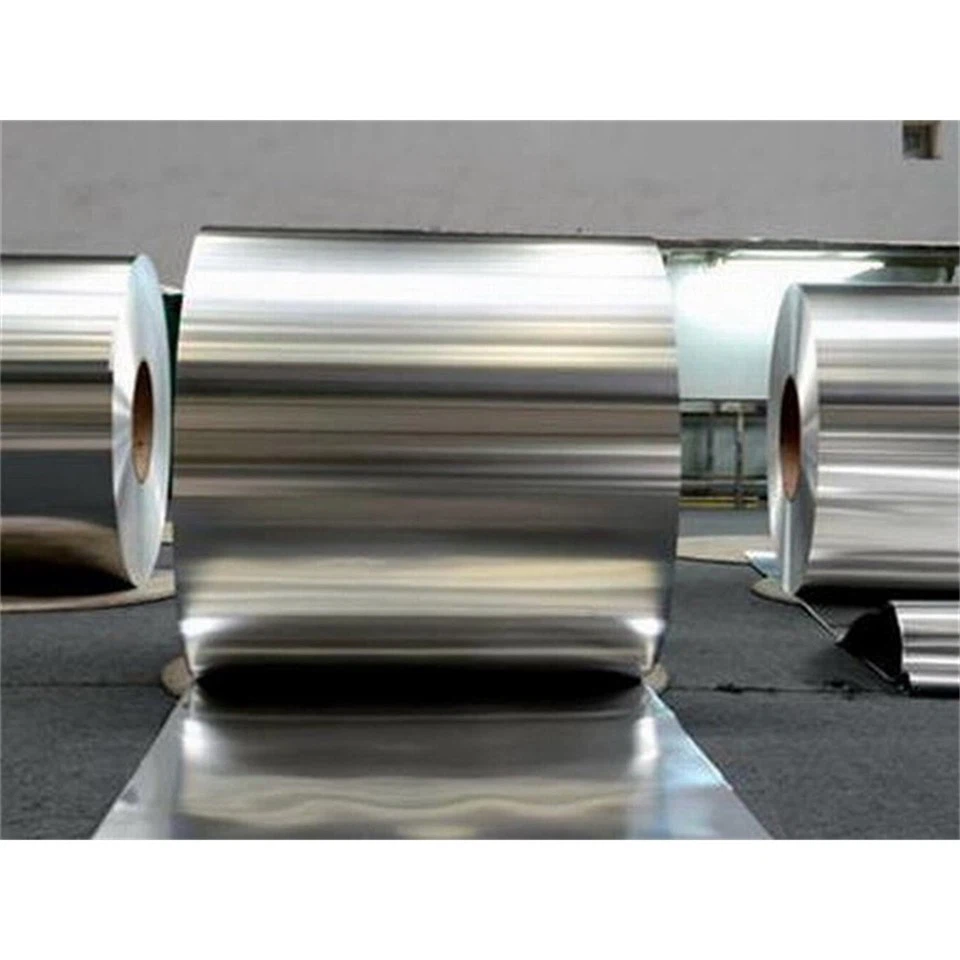
First off, aluminum is a soft metal by nature. But when it comes to aluminum coils, we can adjust their hardness through various methods. One of the key ways is alloying. Different aluminum alloys have different compositions, and these compositions have a big impact on the hardness of the resulting coils.
For example, the 1060 Aluminum Coil 1060 Aluminum Coil is a pure aluminum alloy (with about 99.6% aluminum). It's one of the softest aluminum coils out there. This softness makes it great for applications where a high degree of formability is required. You can easily bend, shape, and roll 1060 aluminum coils without much effort. It's often used in things like food packaging, chemical containers, and some types of decorative items. Because of its relatively low hardness, it's not the best choice for applications that need high strength and abrasion resistance.
On the other hand, the 1070 Aluminum Coil 1070 Aluminum Coil is also a high - purity aluminum alloy, but it has a slightly different chemical makeup compared to 1060. It has a bit more purity, around 99.7% aluminum. This small difference can lead to some variation in hardness. It's still quite soft and malleable, similar to 1060, but it might have a bit more consistent properties in certain manufacturing processes. It's commonly used in electrical applications, like bus bars, because of its good conductivity and formability.
Then there's the 3A21 Aluminum Coil 3A21 Aluminum Coil. This is an alloy that contains manganese as a major alloying element. Manganese helps to increase the strength and hardness of the aluminum. The 3A21 aluminum coil is harder than the 1060 and 1070 coils. It has better corrosion resistance and medium strength. You'll find this type of coil in applications like aircraft parts (specifically non - critical structural components), beverage cans, and general - purpose industrial applications. The increased hardness makes it more suitable for applications where it might be exposed to some mechanical stress.
Besides alloying, another way to change the hardness of aluminum coils is through heat treatment. Heat treatment involves heating the coils to a specific temperature and then cooling them at a controlled rate. There are different types of heat treatments, like annealing, quenching, and aging.
Annealing is a process where the aluminum coil is heated to a fairly high temperature and then slowly cooled. This process softens the aluminum by relieving internal stresses and making the crystal structure more uniform. It's often used when you need to make the coil more formable after it has been cold - worked.
Quenching is the opposite. The coil is heated to a high temperature and then rapidly cooled, usually by immersing it in water or oil. This creates a very hard and sometimes brittle structure. Quenching is often followed by a tempering process to reduce the brittleness and improve the ductility of the coil.
Aging is a process that occurs over time at room temperature or slightly elevated temperatures. After the aluminum has been heat - treated and quenched, aging can further increase its strength and hardness. The alloying elements in the aluminum form small precipitates within the crystal structure, which strengthen the material.
So, why does the hardness of aluminum coils matter? Well, it depends on the application. If you're making something that needs to be easily shaped, like a piece of jewelry or a custom - made sign, you'll want a softer aluminum coil, like the 1060 or 1070. These coils can be bent, cut, and formed into different shapes without cracking or breaking.
On the other hand, if you're working on a project that requires high strength and resistance to wear and tear, you'll need a harder aluminum coil, such as the 3A21. For example, in the automotive industry, aluminum coils are used to make parts like engine blocks and body panels. These parts need to be strong enough to withstand the forces generated by the engine and driving conditions, so a harder alloy is preferred.
In the construction industry, the hardness of aluminum coils is also crucial. They're used in roofing, siding, and window frames. A harder coil can better withstand the elements, including wind, rain, and hail. It also has better resistance to scratches and dents, which is important for maintaining the appearance and integrity of the building structure.
Now that you know a bit about the hardness of aluminum coils, how do you decide which one is right for you? The first step is to consider your specific application. Think about the level of formability, strength, and corrosion resistance you need. If you're not sure, our team of experts is here to help. We've been in the aluminum coils business for a long time, and we understand the properties and applications of different aluminum alloys.
We can provide you with samples of different aluminum coils so you can test their hardness and other properties for yourself. Our goal is to make sure you get the right product for your project. Whether you're a small - scale manufacturer or a large - scale industrial company, we have the right aluminum coils for you.
If you're interested in purchasing aluminum coils, don't hesitate to reach out. We offer competitive prices, high - quality products, and excellent customer service. Our team is ready to answer any questions you might have and help you with your procurement process. Just tell us about your requirements, and we'll do our best to find the perfect solution for you.
References
- ASM Handbook Volume 2: Properties and Selection: Nonferrous Alloys and Special - Purpose Materials
- Aluminum Association: Aluminum Standards and Data