

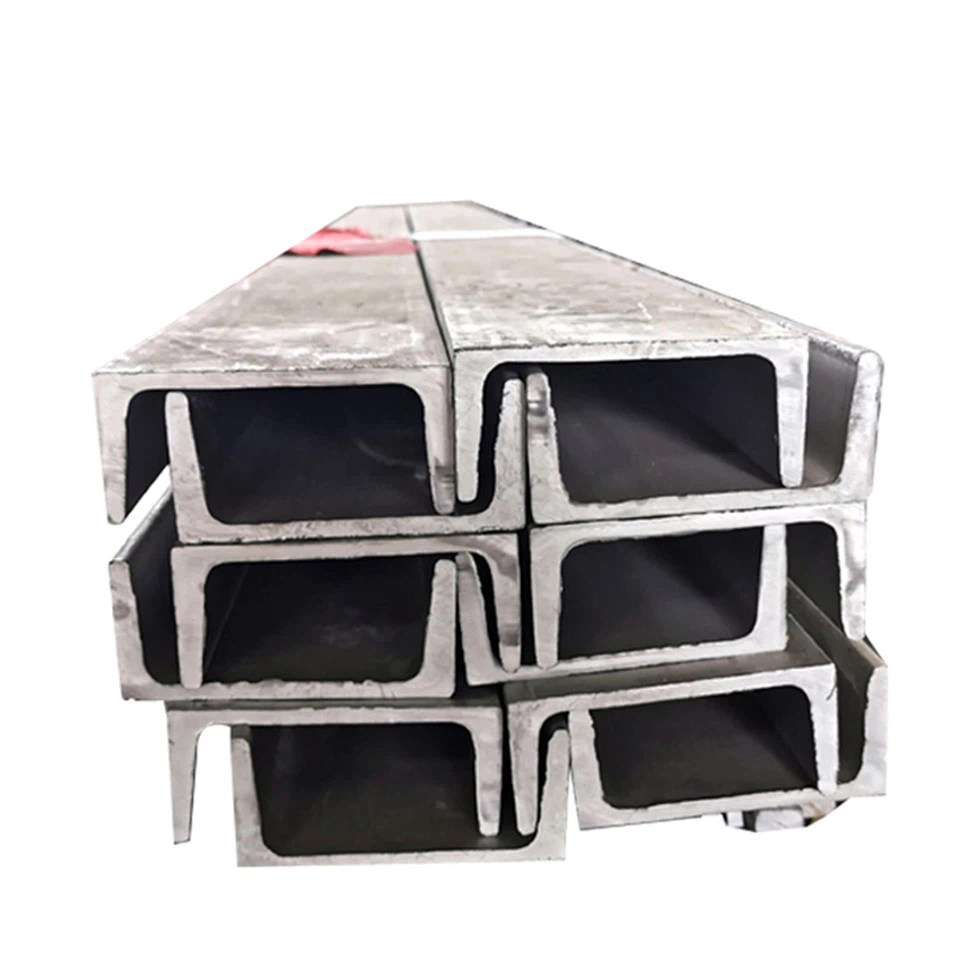
As a supplier of C Type Channels, I often receive inquiries from customers about various properties of these products, and one question that comes up quite frequently is: "What is the thermal conductivity of C Type Channels?" In this blog post, I will delve into this topic, providing you with a comprehensive understanding of the thermal conductivity of C Type Channels, factors that influence it, and its implications in different applications.
Understanding Thermal Conductivity
Thermal conductivity is a fundamental property of materials that describes their ability to conduct heat. It is defined as the quantity of heat (in watts) transmitted through a unit thickness (in meters) of a material in a direction normal to a surface of unit area (in square meters), due to a unit temperature gradient (in kelvins per meter) under steady-state conditions. In simpler terms, it measures how easily heat can pass through a material.
The thermal conductivity of a material is typically denoted by the symbol "k" and is expressed in units of watts per meter-kelvin (W/(m·K)). A high thermal conductivity value indicates that the material can transfer heat quickly, while a low value means that the material is a poor conductor of heat and acts as an insulator.
Thermal Conductivity of C Type Channels
The thermal conductivity of C Type Channels depends primarily on the material from which they are made. C Type Channels can be manufactured from a variety of materials, each with its own unique thermal conductivity characteristics. Here are some common materials used for C Type Channels and their approximate thermal conductivities:
- Carbon Steel: Carbon steel is one of the most widely used materials for C Type Channels due to its strength, durability, and relatively low cost. The thermal conductivity of carbon steel typically ranges from 40 to 55 W/(m·K), depending on the specific composition and heat treatment of the steel. Carbon steel C Type Channels are commonly used in structural applications where heat transfer is not a primary concern.
- Aluminum: Aluminum is another popular material for C Type Channels, especially in applications where lightweight and corrosion resistance are important. Aluminum has a much higher thermal conductivity than carbon steel, typically ranging from 180 to 240 W/(m·K). This makes aluminum C Type Channels excellent conductors of heat, which can be advantageous in applications such as heat exchangers and electronic enclosures.
- Stainless Steel: Stainless steel is a corrosion-resistant alloy that is often used in C Type Channels for applications where hygiene, durability, and aesthetics are important. The thermal conductivity of stainless steel is generally lower than that of carbon steel, ranging from 12 to 25 W/(m·K), depending on the specific grade of stainless steel. Stainless steel C Type Channels are commonly used in food processing, pharmaceutical, and marine applications.
It's important to note that these values are approximate and can vary depending on factors such as the purity of the material, the presence of impurities or alloying elements, and the manufacturing process.
Factors Affecting Thermal Conductivity
In addition to the material composition, several other factors can affect the thermal conductivity of C Type Channels:
- Temperature: The thermal conductivity of most materials changes with temperature. In general, the thermal conductivity of metals increases with increasing temperature, while the thermal conductivity of non-metals decreases. This effect is relatively small for most engineering materials over normal operating temperatures, but it can become significant at very high or very low temperatures.
- Density: The density of a material can also influence its thermal conductivity. In general, materials with higher densities tend to have higher thermal conductivities because they have more atoms or molecules per unit volume, which allows for more efficient heat transfer.
- Microstructure: The microstructure of a material, including the grain size, crystal structure, and presence of defects or impurities, can affect its thermal conductivity. For example, materials with a fine-grained microstructure generally have higher thermal conductivities than those with a coarse-grained microstructure because the smaller grains provide more interfaces for heat transfer.
- Surface Finish: The surface finish of a C Type Channel can also affect its thermal conductivity. A smooth surface finish can reduce the contact resistance between the channel and other components, which can improve heat transfer. Conversely, a rough or uneven surface finish can increase the contact resistance and reduce heat transfer efficiency.
Implications in Different Applications
The thermal conductivity of C Type Channels has important implications in various applications. Here are some examples:
- Structural Applications: In structural applications, such as building frames and bridges, the thermal conductivity of C Type Channels is usually not a critical factor. However, in some cases, where the channels are exposed to high temperatures or where heat transfer needs to be minimized, the choice of material with a lower thermal conductivity may be preferred.
- Heat Exchangers: In heat exchanger applications, where efficient heat transfer is essential, C Type Channels made from materials with high thermal conductivity, such as aluminum, are often used. The high thermal conductivity allows for rapid heat transfer between the fluid flowing through the channels and the surrounding environment.
- Electronic Enclosures: In electronic enclosures, C Type Channels can be used to provide structural support and to dissipate heat generated by electronic components. Aluminum C Type Channels are commonly used in these applications due to their high thermal conductivity, which helps to keep the electronic components cool and prevent overheating.
- Cold Storage and Insulation: In cold storage facilities and insulation applications, C Type Channels made from materials with low thermal conductivity, such as stainless steel or certain types of plastics, may be used to minimize heat transfer and maintain a stable temperature inside the storage area.
Comparison with Other Channel Types
When considering the thermal conductivity of C Type Channels, it's also helpful to compare them with other types of channels, such as Z Type Channel, Aluminum Channel Bar, and Carbon Steel Channel Bar.
- Z Type Channel: Z Type Channels are similar to C Type Channels in terms of their cross-sectional shape, but they have a different orientation. The thermal conductivity of Z Type Channels is also dependent on the material from which they are made, and it follows the same general trends as C Type Channels. However, the specific application and design requirements may influence the choice between C Type and Z Type Channels.
- Aluminum Channel Bar: Aluminum Channel Bars are similar to C Type Channels made from aluminum, but they may have different dimensions and profiles. Aluminum Channel Bars typically have a high thermal conductivity, similar to aluminum C Type Channels, which makes them suitable for applications where heat transfer is important.
- Carbon Steel Channel Bar: Carbon Steel Channel Bars are similar to C Type Channels made from carbon steel, but they may have different cross-sectional shapes and sizes. Carbon Steel Channel Bars have a lower thermal conductivity than aluminum Channel Bars, but they are stronger and more durable, which makes them suitable for structural applications.
Conclusion
In conclusion, the thermal conductivity of C Type Channels is an important property that depends on the material from which they are made, as well as other factors such as temperature, density, microstructure, and surface finish. Understanding the thermal conductivity of C Type Channels is crucial for selecting the appropriate material for a given application, especially in cases where heat transfer is a critical consideration.
As a supplier of C Type Channels, I can provide you with a wide range of options to meet your specific requirements. Whether you need carbon steel, aluminum, or stainless steel C Type Channels, I can offer high-quality products with the right thermal conductivity characteristics for your application. If you have any questions or would like to discuss your project in more detail, please feel free to contact me for a consultation. I look forward to working with you to find the best solution for your needs.
References
- Incropera, F. P., DeWitt, D. P., Bergman, T. L., & Lavine, A. S. (2007). Fundamentals of Heat and Mass Transfer (6th ed.). Wiley.
- Holman, J. P. (2010). Heat Transfer (10th ed.). McGraw-Hill.
- ASM Handbook, Volume 1: Properties and Selection: Irons, Steels, and High-Performance Alloys. ASM International.