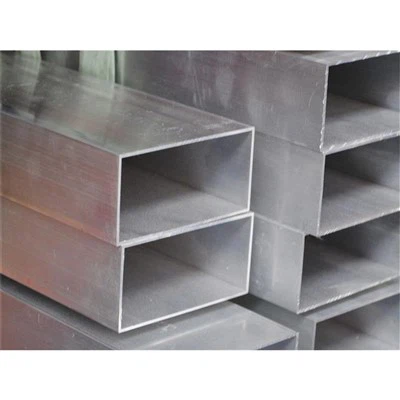


Connecting two aluminum tubes together is a common task in various industries, from construction to automotive and DIY projects. As an aluminum tube supplier, I've encountered numerous customers seeking guidance on the best methods for joining these versatile components. In this blog post, I'll explore several effective techniques for connecting aluminum tubes, considering factors such as strength, durability, and the specific requirements of your project.
Understanding Aluminum Tubes
Before delving into the connection methods, it's essential to understand the types of aluminum tubes available. At our company, we offer a wide range of aluminum tubes, including 1050 Aluminum Tube, 5052 Aluminum Tube, and 1100 Aluminum Tube. Each type has unique properties that can influence the connection process.
- 1050 Aluminum Tube: This is a commercially pure aluminum tube with excellent corrosion resistance and high thermal conductivity. It's relatively soft, making it suitable for applications where formability is crucial.
- 5052 Aluminum Tube: Alloyed with magnesium, 5052 aluminum tube offers higher strength and better corrosion resistance than 1050. It's commonly used in marine applications, automotive parts, and general structural purposes.
- 1100 Aluminum Tube: Another commercially pure aluminum tube, 1100 has good workability and is often used in electrical applications due to its high electrical conductivity.
Methods for Connecting Aluminum Tubes
1. Welding
Welding is one of the most common and effective methods for joining aluminum tubes. It creates a strong, permanent bond between the tubes, suitable for high-stress applications. There are several welding techniques available for aluminum, including:
- Tungsten Inert Gas (TIG) Welding: TIG welding is a popular choice for aluminum because it provides precise control over the welding process. It uses a non-consumable tungsten electrode to create an arc that melts the aluminum, while an inert gas (usually argon) protects the weld from oxidation. TIG welding produces high-quality welds with minimal distortion, making it ideal for thin-walled tubes.
- Metal Inert Gas (MIG) Welding: MIG welding is a faster and more automated process than TIG welding. It uses a consumable wire electrode that is fed through a welding gun, creating an arc that melts the wire and the aluminum. MIG welding is suitable for thicker tubes and can be used for both structural and cosmetic applications.
However, welding aluminum requires specialized equipment and skills. The aluminum surface must be properly cleaned and prepared to ensure a good weld. Additionally, welding can cause distortion and residual stresses in the tubes, which may need to be addressed through post-weld heat treatment.
2. Brazing
Brazing is another method for joining aluminum tubes. It involves heating a filler metal (usually an aluminum alloy) to a temperature above its melting point but below the melting point of the aluminum tubes. The filler metal is then drawn into the joint by capillary action, creating a strong bond.
Brazing offers several advantages over welding. It requires less heat, which reduces the risk of distortion and damage to the tubes. It also allows for greater flexibility in joint design and can be used to join dissimilar metals. However, brazed joints may not be as strong as welded joints, especially in high-stress applications.


3. Mechanical Fasteners
Mechanical fasteners, such as bolts, nuts, and rivets, are a simple and cost-effective way to connect aluminum tubes. They provide a removable connection that can be easily disassembled for maintenance or modification.
- Bolts and Nuts: Bolts and nuts are commonly used to join aluminum tubes in structural applications. They provide a strong, reliable connection that can withstand high loads. However, the use of bolts and nuts requires drilling holes in the tubes, which can weaken the structure.
- Rivets: Rivets are another popular choice for joining aluminum tubes. They are installed by inserting a rivet into a pre-drilled hole and then deforming the end of the rivet to create a permanent connection. Rivets are lightweight and provide a clean, aesthetically pleasing appearance. However, they may not be suitable for high-stress applications.
4. Adhesive Bonding
Adhesive bonding is a relatively new method for joining aluminum tubes. It involves applying an adhesive to the surfaces of the tubes and then pressing them together to form a bond. Adhesive bonding offers several advantages, including:
- High Strength: Modern adhesives can provide a strong bond that is comparable to welding or brazing.
- No Heat or Drilling: Adhesive bonding does not require heat or drilling, which reduces the risk of distortion and damage to the tubes.
- Good Sealing Properties: Adhesives can provide a good seal against moisture, air, and chemicals, making them suitable for applications where leakage is a concern.
However, adhesive bonding requires careful surface preparation and proper application techniques to ensure a strong bond. The adhesive must also be compatible with the aluminum surface and the environment in which the tubes will be used.
Factors to Consider When Choosing a Connection Method
When choosing a method for connecting aluminum tubes, several factors should be considered:
- Strength Requirements: The strength of the connection is a critical factor, especially in high-stress applications. Welding and brazing generally provide the strongest connections, while mechanical fasteners and adhesive bonding may be suitable for lower-stress applications.
- Appearance: The appearance of the connection may also be important, especially in cosmetic applications. Welding and brazing can leave visible marks on the tubes, while mechanical fasteners and adhesive bonding can provide a cleaner, more aesthetically pleasing appearance.
- Cost: The cost of the connection method is another important consideration. Welding and brazing require specialized equipment and skills, which can be expensive. Mechanical fasteners and adhesive bonding are generally more cost-effective.
- Ease of Assembly and Disassembly: If the tubes need to be disassembled for maintenance or modification, a removable connection method, such as mechanical fasteners or adhesive bonding, may be preferred.
Conclusion
Connecting two aluminum tubes together requires careful consideration of the specific requirements of your project. There are several methods available, each with its own advantages and disadvantages. As an aluminum tube supplier, I can provide you with the necessary information and support to help you choose the best connection method for your needs.
Whether you're working on a construction project, an automotive application, or a DIY project, I'm here to assist you. If you have any questions or need further guidance on connecting aluminum tubes, please don't hesitate to contact me. I look forward to discussing your project and helping you find the right solutions.
References
- "Aluminum Welding Handbook" by The Aluminum Association
- "Brazing and Soldering" by ASM International
- "Mechanical Fasteners: Design, Materials, and Applications" by Carl H. Hamrock
I hope this blog post has been helpful in guiding you through the process of connecting aluminum tubes. If you're interested in purchasing aluminum tubes or have any other inquiries, feel free to reach out. We're committed to providing high-quality products and excellent customer service. Let's work together to bring your projects to life!