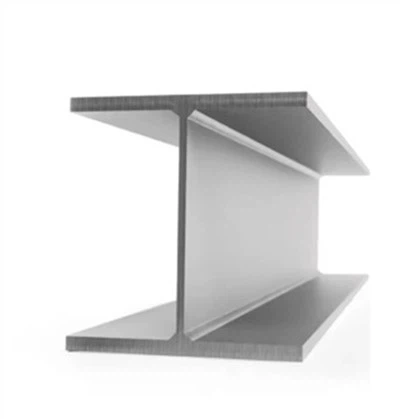


How to improve the corrosion resistance of Aluminum H Beam in harsh environments?
As a supplier of Aluminum H Beams, I've witnessed firsthand the challenges these structural components face, especially in harsh environments. Aluminum H Beams are praised for their lightweight nature, high strength - to - weight ratio, and excellent formability. However, corrosion can significantly degrade their performance and lifespan in adverse conditions. In this blog, I'll share some effective strategies to enhance the corrosion resistance of Aluminum H Beams.
Understanding Corrosion in Aluminum H Beams
Before delving into solutions, it's crucial to understand how corrosion occurs in aluminum. Aluminum is a reactive metal. When exposed to air, it naturally forms a thin oxide layer. This layer provides some level of protection against further oxidation. However, in harsh environments with high humidity, saltwater, or chemical pollutants, this natural oxide layer can be compromised.
In salt - laden coastal areas, for example, chloride ions in the saltwater can penetrate the oxide layer. They react with the aluminum beneath, causing pitting corrosion. In industrial settings, chemical fumes can react with aluminum, leading to general corrosion or stress - corrosion cracking.
Surface Treatment
One of the most common and effective ways to improve corrosion resistance is through surface treatment.
Anodizing: Anodizing is an electrochemical process that thickens the natural oxide layer on the aluminum surface. By immersing the Aluminum H Beam in an electrolyte solution and passing an electric current through it, a more robust and porous oxide layer is created. This layer can be further sealed to enhance its protective properties. Anodized Aluminum H Beams Anodized Aluminum H Beam are highly resistant to corrosion, as the anodized layer acts as a barrier against environmental elements. The thickness of the anodized layer can be controlled according to the specific requirements of the application. For instance, in highly corrosive coastal areas, a thicker anodized layer is recommended.
Painting and Coating: Applying a high - quality paint or coating is another viable option. Paints can provide a physical barrier between the aluminum surface and the environment. Epoxy coatings, for example, are known for their excellent adhesion and corrosion - resistant properties. They can withstand a wide range of environmental conditions, including exposure to chemicals and moisture. Powder coating is also a popular choice. It offers a uniform and durable finish, and it can be customized in terms of color and texture. However, proper surface preparation is essential before painting or coating to ensure good adhesion. The surface should be cleaned, degreased, and sometimes etched to remove any contaminants and create a rough surface for better paint or coating bonding.
Alloy Selection
The choice of aluminum alloy can significantly impact the corrosion resistance of Aluminum H Beams. Some aluminum alloys are inherently more corrosion - resistant than others.
6000 Series Alloys: These alloys, which contain magnesium and silicon as the main alloying elements, are widely used in structural applications. They offer a good balance of strength, formability, and corrosion resistance. For example, 6061 alloy is a popular choice for Aluminum H Beams. It has moderate corrosion resistance and can be anodized easily. In less severe environments, 6061 Aluminum H Beams can provide long - term performance without significant corrosion issues.
5000 Series Alloys: Alloys in the 5000 series, which contain magnesium as the primary alloying element, are known for their excellent resistance to marine environments. They are often used in coastal structures and marine applications. 5083 alloy, for example, has high strength and good weldability in addition to its corrosion resistance. When corrosion resistance in saltwater is a top priority, 5083 Aluminum H Beams are a suitable option.
Design Considerations
Proper design can also help improve the corrosion resistance of Aluminum H Beams.
Avoiding Crevices: Crevices can trap moisture and contaminants, creating an environment conducive to corrosion. When designing structures using Aluminum H Beams, it's important to avoid creating tight spaces where water can accumulate. For example, the joints between H Beams should be designed in a way that allows for proper drainage. If possible, use continuous welding instead of bolted joints, as bolted joints can create crevices.
Proper Ventilation: Adequate ventilation can help reduce humidity around the Aluminum H Beams. In enclosed spaces, ventilation systems should be installed to ensure air circulation. This helps prevent the buildup of moisture, which can lead to corrosion. Additionally, proper ventilation can also help remove any corrosive fumes in industrial environments.
Maintenance and Inspection
Regular maintenance and inspection are essential to ensure the long - term corrosion resistance of Aluminum H Beams.
Inspection: Periodic inspections should be carried out to detect any signs of corrosion early. Visual inspections can reveal surface corrosion, such as pitting or discoloration. Non - destructive testing methods, such as ultrasonic testing and eddy current testing, can be used to detect internal corrosion or defects. If any corrosion is detected, appropriate measures should be taken immediately to prevent further damage.
Maintenance: Minor corrosion can sometimes be treated by cleaning the surface and applying a protective coating. For more severe corrosion, the affected area may need to be repaired or replaced. Regular cleaning of the Aluminum H Beams can also help remove any contaminants that may promote corrosion. In coastal areas, for example, the beams should be washed regularly to remove salt deposits.
Comparison with Carbon Steel H Steel
When it comes to structural applications, Carbon Steel H Steel Carbon Steel H Steel is also a common choice. However, compared to Aluminum H Beams Aluminum H Beam, aluminum has some advantages in terms of corrosion resistance.
Carbon steel is prone to rusting when exposed to moisture and oxygen. While it can be protected by painting, galvanizing, or other coatings, these protective measures may require more frequent maintenance. In contrast, aluminum forms a natural oxide layer that provides some level of corrosion protection. With proper surface treatment and alloy selection, Aluminum H Beams can offer long - term corrosion resistance with relatively less maintenance.
Conclusion
Improving the corrosion resistance of Aluminum H Beams in harsh environments requires a multi - faceted approach. Surface treatment, alloy selection, design considerations, and regular maintenance and inspection all play important roles. By implementing these strategies, we can ensure that Aluminum H Beams can provide reliable and long - lasting performance in even the most challenging conditions.
If you're in the market for high - quality Aluminum H Beams with excellent corrosion resistance, I encourage you to contact us for more information. We have a wide range of Aluminum H Beams available, and our team of experts can help you select the right product for your specific application. We can also provide guidance on surface treatment, alloy selection, and maintenance to ensure that your Aluminum H Beams perform optimally in your environment.


References
- ASM Handbook Volume 13A: Corrosion: Fundamentals, Testing, and Protection. ASM International, 2003.
- Aluminum Association. Aluminum Design Manual. 2015.
- ISO 12944 - Paints and varnishes -- Corrosion protection of steel structures by protective paint systems. International Organization for Standardization, 2017.