

Hey there! As an H-beam supplier, I often get asked about the corrosion resistance of H-beams. It's a crucial factor, especially when you're using these beams in different environments. So, let's dive right in and explore what makes H-beams resistant to corrosion.
First off, we need to understand what corrosion is. In simple terms, corrosion is the process of a material deteriorating due to chemical reactions with its environment. For H-beams, which are commonly used in construction and various industrial applications, corrosion can weaken the structure over time, leading to safety issues and costly repairs.
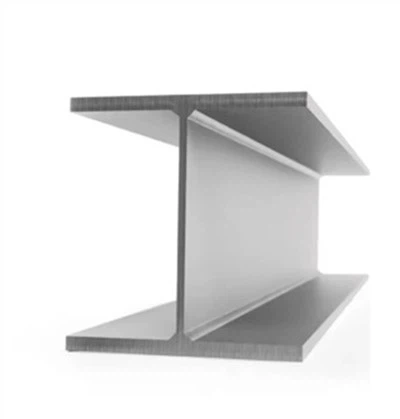
There are different types of H-beams, and each has its own level of corrosion resistance. Let's start with Aluminum H Beam. Aluminum is known for its excellent corrosion resistance. When aluminum is exposed to air, it forms a thin, protective oxide layer on its surface. This layer acts as a barrier, preventing further oxidation and corrosion. So, if you're looking for an H-beam that can withstand harsh outdoor environments, like coastal areas where there's a lot of salt in the air, aluminum H-beams are a great choice. They're also lightweight, which makes them easier to handle during construction.
But what about Carbon Steel H Steel? Carbon steel is a popular choice for H-beams because it's strong and relatively inexpensive. However, carbon steel is more prone to corrosion compared to aluminum. When carbon steel comes into contact with moisture and oxygen, it forms rust. Rust is a form of iron oxide that can eat away at the steel, weakening its structure. To improve the corrosion resistance of carbon steel H-beams, they can be coated with various protective layers. For example, a galvanized coating involves applying a layer of zinc to the steel. Zinc is more reactive than iron, so it corrodes first, protecting the underlying steel. Another option is to use a paint coating, which creates a physical barrier between the steel and the environment.
Now, let's talk about Anodized Aluminum H Beam. Anodizing is an electrochemical process that thickens the natural oxide layer on aluminum. This makes the aluminum even more resistant to corrosion and gives it a more durable and attractive finish. Anodized aluminum H-beams are often used in applications where appearance is important, like in architectural structures or decorative elements. They also have better wear resistance, which means they can last longer in high-traffic areas.
The environment where the H-beam will be used plays a big role in determining its corrosion resistance requirements. In a dry, indoor environment, the corrosion risk is relatively low. So, you might be able to get away with using a less corrosion-resistant H-beam, like a basic carbon steel H-beam with a simple paint coating. But in a wet or corrosive environment, such as a chemical plant or a marine setting, you'll need to choose an H-beam with high corrosion resistance, like an aluminum or anodized aluminum H-beam.
Another factor to consider is the maintenance of the H-beams. Even if you choose a highly corrosion-resistant H-beam, regular maintenance is still important. For example, if you have a painted carbon steel H-beam, you'll need to check the paint for any chips or scratches. If the paint is damaged, the underlying steel is exposed to the environment and can start to corrode. In that case, you'll need to touch up the paint to prevent further corrosion. With aluminum and anodized aluminum H-beams, maintenance is generally less intensive, but you still need to keep an eye out for any signs of damage.
When it comes to choosing the right H-beam for your project, it's not just about corrosion resistance. You also need to consider factors like strength, cost, and availability. For example, aluminum H-beams are more expensive than carbon steel H-beams, but they offer better corrosion resistance and are lighter. So, if your project requires a lightweight structure and can afford the higher cost, aluminum H-beams might be the way to go. On the other hand, if you're working on a budget and the environment isn't too corrosive, carbon steel H-beams could be a suitable option.
In conclusion, the corrosion resistance of H-beams depends on the material they're made of, the protective coatings applied, and the environment where they'll be used. As an H-beam supplier, I'm here to help you make the right choice for your project. Whether you need an aluminum H-beam for a coastal project, a carbon steel H-beam for a general construction job, or an anodized aluminum H-beam for an architectural application, I can provide you with high-quality products that meet your requirements.


If you're interested in purchasing H-beams for your project, I'd love to have a chat with you. We can discuss your specific needs, including the corrosion resistance requirements, and find the best solution for you. Don't hesitate to reach out and start the conversation.
References
- "Corrosion of Metals" by Uhlig, H. H.
- "Aluminum Alloys: Structure and Properties" by Davis, J. R.
- "Steel Construction Manual" by American Institute of Steel Construction