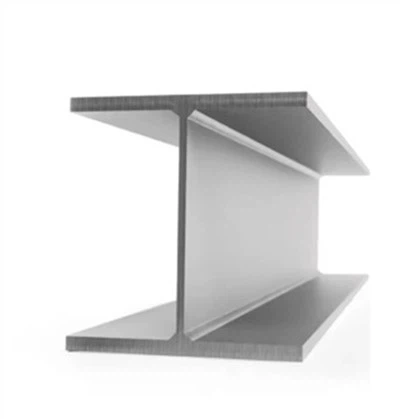


Hey there! As an aluminum rod supplier, I often get asked about the differences between solid and hollow aluminum rods. It's a pretty common question, and I'm here to break it down for you in a way that's easy to understand.
Physical Structure
Let's start with the obvious - the physical structure. A solid aluminum rod is, well, solid all the way through. It's a single piece of aluminum with no empty space inside. On the other hand, a hollow aluminum rod has a cavity running through its center. This cavity can vary in size and shape depending on the manufacturing process and the intended use of the rod.
The solid structure of a solid aluminum rod gives it a high level of strength and durability. It can withstand a lot of pressure and stress without bending or breaking. This makes it a great choice for applications where strength is the primary concern, such as in construction, machinery, and automotive parts.
In contrast, the hollow structure of a hollow aluminum rod makes it lighter than a solid rod of the same size. This is because there's less aluminum material in a hollow rod. The reduced weight can be a significant advantage in applications where weight is a critical factor, such as in aerospace and transportation industries.
Strength and Rigidity
When it comes to strength and rigidity, solid aluminum rods have the upper hand. The solid cross - section provides uniform support and resistance to bending and torsion. For example, if you're building a heavy - duty frame for a large machine, a solid 1060 Aluminum Rod can handle the load much better than a hollow one.
However, don't underestimate the strength of hollow aluminum rods. With proper design and engineering, they can be made to be quite strong. The key is in the wall thickness of the hollow rod. A thicker wall will generally result in a stronger rod. Hollow rods are often used in applications where a combination of strength and light weight is required, like in bicycle frames. The hollow design allows the bike to be lightweight for easy maneuverability while still providing enough strength to support the rider.
Heat Transfer
Heat transfer is another area where the difference between solid and hollow aluminum rods becomes apparent. Aluminum is a good conductor of heat, and solid rods have a larger mass of aluminum to conduct heat. This means that a solid rod can transfer heat more efficiently than a hollow rod.
In applications where heat dissipation is important, such as in heat sinks for electronic devices, solid aluminum rods are often preferred. The larger volume of aluminum provides more surface area for heat to transfer from the source to the surrounding environment.


Hollow aluminum rods, on the other hand, have less material to conduct heat. While this might seem like a disadvantage, in some cases, it can be beneficial. For example, if you want to isolate a component from heat, a hollow rod can act as a thermal barrier to some extent.
Manufacturing Process
The manufacturing processes for solid and hollow aluminum rods are also different. Solid aluminum rods are typically made through extrusion or casting. Extrusion involves forcing heated aluminum through a die to create the desired shape and size of the rod. Casting, on the other hand, involves pouring molten aluminum into a mold and letting it cool and solidify.
Hollow aluminum rods are more complex to manufacture. One common method is to start with a solid rod and then drill a hole through the center. Another method is to use a special extrusion process with a mandrel in the center of the die to create the hollow cavity during extrusion.
The manufacturing process can affect the cost and availability of the rods. Solid rods are generally easier and cheaper to produce, which means they are often more readily available in a wider range of sizes and alloys. Hollow rods, due to their more complex manufacturing, can be more expensive and may have longer lead times.
Cost
Cost is always a factor when choosing between solid and hollow aluminum rods. As mentioned earlier, solid rods are usually less expensive to manufacture. This is because the manufacturing process is simpler and requires less specialized equipment.
If you're on a tight budget and strength is your main concern, a solid 6061 Aluminum Rod might be the way to go. It offers good strength at a relatively low cost.
Hollow rods, with their more complex manufacturing and potentially higher material costs (due to the need for precise wall thickness control), are generally more expensive. However, if the weight savings are worth the extra cost for your application, then it might be a good investment.
Applications
The choice between solid and hollow aluminum rods often comes down to the specific application. Here are some common applications for each type:
Solid Aluminum Rods
- Construction: Used in building frames, support columns, and reinforcement bars. Their high strength makes them suitable for withstanding the heavy loads in construction projects.
- Machinery: In the manufacturing of machine parts such as shafts, axles, and gears. The solid structure ensures reliable performance under high - stress conditions.
- Automotive: For components like engine parts, suspension parts, and drive shafts. Solid rods can handle the vibrations and forces generated by the vehicle.
Hollow Aluminum Rods
- Aerospace: Aircraft frames, landing gear components, and wing structures. The lightweight nature of hollow rods helps to reduce the overall weight of the aircraft, improving fuel efficiency.
- Transportation: Bicycle frames, motorcycle parts, and some automotive body components. The combination of light weight and adequate strength is ideal for these applications.
- Electronics: As heat shields or structural supports in electronic devices. The hollow design can provide some insulation while still maintaining a relatively low weight.
Conclusion
So, there you have it - the main differences between solid and hollow aluminum rods. Whether you choose a solid or a hollow rod depends on your specific needs. If strength and cost - effectiveness are your top priorities, a solid rod might be the best option. But if weight reduction is crucial, then a hollow rod could be the way to go.
As an aluminum rod supplier, I'm here to help you make the right choice. We offer a wide range of aluminum rods, including 1100 Aluminum Rod, 1060 Aluminum Rod, and 6061 Aluminum Rod. If you're interested in purchasing aluminum rods for your project, feel free to reach out. We can discuss your requirements in detail and provide you with the best solution.
References
- Aluminum Association, "Properties and Applications of Aluminum Alloys"
- ASM Handbook, Volume 2: Non - Ferrous Alloys and Special - Purpose Materials