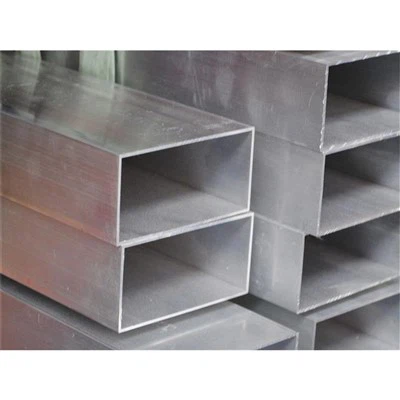


Hey there! I'm an aluminum tube supplier, and today I wanna talk about the materials used to make aluminum tubes. Aluminum tubes are super versatile and are used in a whole bunch of industries, from construction to automotive and even in the aerospace sector. So, what exactly goes into making these useful tubes? Let's dive in!
Pure Aluminum
First off, we've got pure aluminum. Aluminum in its purest form is soft, ductile, and has excellent corrosion resistance. It's got a shiny, silvery appearance and is a great conductor of heat and electricity. But here's the thing: pure aluminum isn't very strong on its own. That's why it's often alloyed with other elements to enhance its properties.
When we make aluminum tubes from pure aluminum, we usually start with high - purity aluminum ingots. These ingots are heated up until they turn into a molten state. Then, through a process called extrusion, the molten aluminum is forced through a die to create the desired tube shape. Pure aluminum tubes are commonly used in applications where corrosion resistance is crucial, like in some chemical processing plants or in food and beverage industries.


Aluminum Alloys
Most of the time, we use aluminum alloys to make tubes. Alloys are mixtures of aluminum with other metals or non - metals, and they offer a wide range of properties that pure aluminum just can't match.
1. 5A05 Aluminum Tube
One popular alloy is 5A05. This alloy contains magnesium as the main alloying element, along with small amounts of other elements like manganese. Magnesium gives 5A05 aluminum tubes good strength and excellent corrosion resistance, especially in marine environments. These tubes are often used in shipbuilding, aerospace components, and some high - stress structural applications. You can learn more about 5A05 Aluminum Tube.
The production of 5A05 aluminum tubes involves melting the alloying elements together with aluminum in a furnace. Once the molten alloy reaches the right temperature and composition, it's cast into billets. These billets are then heated and extruded to form tubes. The extrusion process can be adjusted to control the wall thickness, diameter, and length of the tubes according to the customer's requirements.
2. 3A21 Aluminum Tube
Another well - known alloy is 3A21. It's an aluminum - manganese alloy. Manganese improves the strength of the alloy without significantly reducing its formability. 3A21 aluminum tubes are easy to work with, which means they can be bent, welded, and machined with relative ease. They're commonly used in general engineering applications, such as in the manufacturing of furniture frames, bicycle frames, and some automotive parts. Check out 3A21 Aluminum Tube for more details.
The manufacturing process for 3A21 aluminum tubes is similar to that of 5A05. After melting the alloy in a furnace, it's cast into suitable shapes. Then, through extrusion or other forming processes, the tubes are created. The surface finish of 3A21 tubes can also be customized, for example, by anodizing to improve their appearance and corrosion resistance.
3. 5052 Aluminum Tube
5052 is a widely used aluminum alloy for tube production. It contains magnesium and a small amount of chromium. This combination gives 5052 aluminum tubes high strength, good weldability, and excellent corrosion resistance, especially in saltwater environments. These tubes are used in a variety of industries, including automotive, aerospace, and marine. You can find more information about 5052 Aluminum Tube.
To make 5052 aluminum tubes, we start by carefully measuring and mixing the alloying elements with aluminum. The molten alloy is then cast into ingots or billets. These are pre - heated and sent through an extrusion press. During extrusion, the material is forced through a die, and the tube takes shape. After extrusion, the tubes may undergo some post - processing steps, such as heat treatment to further enhance their mechanical properties.
Other Considerations
When choosing the material for aluminum tubes, there are a few other things to keep in mind. The intended application plays a huge role. For example, if the tubes will be used in a high - temperature environment, we need to select an alloy that can withstand those conditions. Some alloys may lose their strength or become brittle at high temperatures.
Cost is also a factor. Different alloys have different prices depending on the availability of the alloying elements and the complexity of the manufacturing process. We always try to find the right balance between cost and performance for our customers.
The size and shape of the tubes can also influence the choice of material. Some alloys are better suited for making thin - walled tubes, while others are more appropriate for thick - walled or large - diameter tubes.
Conclusion
So, there you have it! Whether it's pure aluminum or one of the many aluminum alloys like 5A05, 3A21, or 5052, each material has its own unique properties that make it suitable for different applications. As an aluminum tube supplier, I'm always here to help you choose the right material for your specific needs.
If you're in the market for aluminum tubes, don't hesitate to reach out. We can discuss your requirements in detail, provide samples if needed, and give you a competitive quote. Let's work together to find the perfect aluminum tubes for your project!
References
- ASM Handbook Committee. (2001). ASM Handbook Volume 2: Properties and Selection: Nonferrous Alloys and Special - Purpose Materials. ASM International.
- Aluminum Association. (2023). Aluminum Design Manual. Aluminum Association.