

In the dynamic landscape of the lighting industry, the search for innovative and efficient materials is a constant pursuit. Aluminum coils have emerged as a potential game - changer, offering a plethora of benefits that make them a viable option for various lighting applications. As an established aluminum coils supplier, I am excited to delve into the question: Can aluminum coils be used in the lighting industry?
Properties of Aluminum Coils that Suit Lighting Applications
Aluminum is a remarkable metal with properties that are highly advantageous for lighting. Firstly, aluminum has excellent thermal conductivity. In lighting fixtures, heat dissipation is a critical factor. High - intensity light sources, such as LEDs, generate a significant amount of heat during operation. If this heat is not properly managed, it can reduce the lifespan of the light source and affect its performance. Aluminum coils can be used to create heat sinks in lighting fixtures. The heat generated by the light source is transferred to the aluminum coil, which then dissipates the heat into the surrounding environment more efficiently compared to many other materials.
Secondly, aluminum is lightweight. This property is particularly important in the lighting industry, where fixtures may need to be installed in various locations, including ceilings and walls. Using lightweight materials like aluminum coils reduces the overall weight of the lighting fixture, making it easier to install and reducing the structural load on the installation surface.
Another key property of aluminum is its corrosion resistance. Lighting fixtures can be exposed to different environmental conditions, including humidity, dust, and chemicals. Aluminum forms a thin oxide layer on its surface when exposed to air, which protects it from further corrosion. This means that lighting fixtures made with aluminum coils can have a longer lifespan, even in harsh environments.
Applications of Aluminum Coils in the Lighting Industry
Reflectors
Aluminum coils can be used to create reflectors in lighting fixtures. Reflectors are designed to direct light in a specific direction, increasing the efficiency of the lighting system. Aluminum has a high reflectivity, especially when it is polished. By using aluminum coils to make reflectors, lighting designers can ensure that more light is directed towards the desired area, reducing light loss and improving the overall lighting quality. For example, in commercial lighting applications such as supermarkets and warehouses, well - designed aluminum reflectors can provide uniform and bright lighting, enhancing visibility and reducing energy consumption.
Enclosures
Lighting fixtures need to be protected from external factors such as physical damage, dust, and moisture. Aluminum coils can be fabricated into enclosures for lighting fixtures. These enclosures not only provide protection but also contribute to the aesthetic appeal of the lighting product. Aluminum can be easily formed into different shapes and sizes, allowing for the creation of sleek and modern - looking enclosures. Moreover, the corrosion - resistant property of aluminum ensures that the enclosure remains in good condition over time, protecting the internal components of the lighting fixture.
Heat Sinks
As mentioned earlier, heat management is crucial in lighting. Aluminum coils are an ideal material for heat sinks. They can be extruded or machined into various finned shapes to increase the surface area for heat dissipation. In high - power LED lighting, where heat generation is significant, aluminum heat sinks can effectively maintain the temperature of the LED chips within a safe operating range, ensuring their long - term performance and reliability.
Different Types of Aluminum Coils for Lighting
There are several types of aluminum coils available, each with its own unique properties and suitability for different lighting applications.
1050 Aluminum Coil
The 1050 Aluminum Coil is a commercially pure aluminum coil with a high aluminum content of at least 99.5%. It has excellent corrosion resistance, high thermal conductivity, and good formability. These properties make it a popular choice for lighting applications where corrosion resistance and ease of fabrication are important, such as in outdoor lighting enclosures and some simple reflector designs.
3A21 Aluminum Coil
The 3A21 Aluminum Coil is an aluminum - manganese alloy. It offers better strength than pure aluminum while still maintaining good corrosion resistance and formability. This type of aluminum coil is suitable for lighting applications that require a certain level of structural strength, such as in large - scale lighting fixtures or those that need to withstand some mechanical stress during installation or use.
7075 Aluminum Coil
The 7075 Aluminum Coil is a high - strength aluminum alloy. It has excellent mechanical properties, including high tensile strength and hardness. Although it is more expensive than other types of aluminum coils, it is suitable for high - performance lighting applications where strength and durability are of utmost importance, such as in industrial lighting fixtures that may be exposed to harsh working conditions.
Challenges and Considerations
While aluminum coils offer many advantages for the lighting industry, there are also some challenges and considerations.

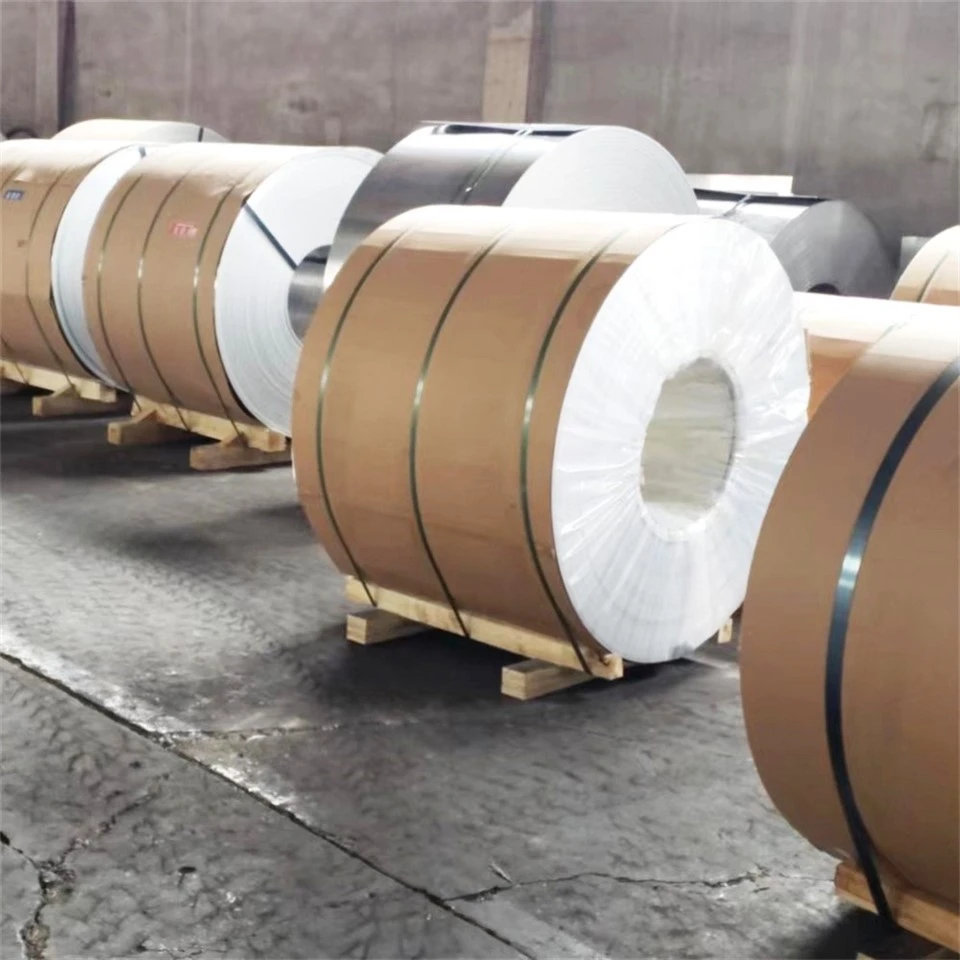
One challenge is the cost. Although aluminum is generally more affordable than some other metals, the cost of high - quality aluminum coils and the fabrication processes involved in turning them into lighting components can be relatively high. However, the long - term benefits in terms of energy efficiency, durability, and performance often outweigh the initial investment.
Another consideration is the surface finish. The surface finish of aluminum coils can affect the reflectivity and appearance of lighting components. For reflectors, a smooth and polished surface is required to achieve high reflectivity. Special surface treatment processes may be needed to obtain the desired surface finish, which adds to the production cost.
Conclusion
In conclusion, aluminum coils can indeed be used in the lighting industry, and they offer numerous benefits in terms of thermal management, lightweight design, corrosion resistance, and formability. Different types of aluminum coils, such as 1050, 3A21, and 7075, can be selected based on the specific requirements of the lighting application.
As an aluminum coils supplier, we are committed to providing high - quality aluminum coils that meet the diverse needs of the lighting industry. Our products are manufactured to strict quality standards, ensuring excellent performance and reliability. If you are in the lighting industry and are looking for a reliable source of aluminum coils for your lighting products, we invite you to contact us for procurement and further discussion. We are confident that our aluminum coils can help you create innovative and efficient lighting solutions.
References
- ASM Handbook Committee. (2000). ASM Handbook: Properties and Selection: Nonferrous Alloys and Special - Purpose Materials. ASM International.
- Davis, J. R. (Ed.). (1993). Aluminum and Aluminum Alloys. ASM International.
- Lighting Research Center. (2023). Lighting Handbook: Reference and Application. Illuminating Engineering Society.