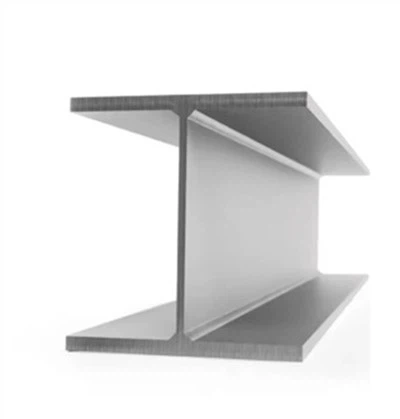


Hey there! As an Aluminum H Beam supplier, I've seen firsthand how crucial it is to ensure the straightness of these beams. In this blog, I'll share some tips and tricks on how to achieve that, based on my years of experience in the industry.
Why Straightness Matters
Before we dive into the how - to, let's talk about why straightness is so important. Aluminum H Beams are used in a wide range of applications, from construction to manufacturing. In construction, they provide structural support for buildings, bridges, and other large - scale projects. A bent or warped beam can compromise the integrity of the entire structure, leading to safety hazards and costly repairs.
In manufacturing, Aluminum H Beams are often used as components in machinery and equipment. If the beams aren't straight, the machinery may not function properly, leading to inefficiencies and breakdowns. So, ensuring the straightness of Aluminum H Beams is essential for both safety and performance.
Measuring Straightness
The first step in ensuring straightness is to measure it accurately. There are several methods you can use to measure the straightness of Aluminum H Beams.
One common method is using a straightedge. A straightedge is a long, flat tool that you can place along the length of the beam. By visually inspecting the gap between the straightedge and the beam, you can get a rough idea of how straight the beam is. However, this method is relatively subjective and may not be accurate enough for high - precision applications.
For more accurate measurements, you can use a laser alignment system. A laser alignment system projects a laser beam along the length of the beam, and sensors detect any deviations from the straight line. This method is highly accurate and can detect even the slightest bends or warps in the beam.
Factors Affecting Straightness
Several factors can affect the straightness of Aluminum H Beams during the manufacturing process.
One of the main factors is the extrusion process. During extrusion, the aluminum is forced through a die to create the H - beam shape. If the extrusion process isn't properly controlled, it can cause the beam to bend or warp. For example, uneven pressure during extrusion can lead to variations in the thickness of the beam, which can cause it to bend.
Another factor is heat treatment. Heat treatment is often used to improve the strength and durability of Aluminum H Beams. However, if the heat treatment process isn't done correctly, it can also affect the straightness of the beam. For instance, rapid cooling during heat treatment can cause internal stresses in the beam, which can lead to bending or warping.
Transportation and storage can also have an impact on the straightness of Aluminum H Beams. If the beams are not properly secured during transportation, they can be jostled around and bent. Similarly, if the beams are stored in an improper way, such as stacking them on uneven surfaces, it can cause them to bend over time.
Ensuring Straightness During Manufacturing
To ensure the straightness of Aluminum H Beams during manufacturing, we need to pay close attention to every step of the process.
First, we need to carefully control the extrusion process. This includes ensuring that the extrusion die is properly designed and maintained. The die should be made of high - quality materials and should be regularly inspected for wear and tear. Additionally, we need to monitor the pressure and temperature during extrusion to ensure that they are consistent throughout the process.
We also need to pay attention to the heat treatment process. The heat treatment parameters, such as the heating rate, soaking time, and cooling rate, should be carefully controlled to minimize internal stresses in the beam. For example, we can use a slow cooling rate to reduce the risk of bending or warping.
Post - Manufacturing Straightening
Even with careful manufacturing processes, it's still possible for Aluminum H Beams to have some degree of deviation from straightness. In such cases, post - manufacturing straightening may be necessary.
One common method of post - manufacturing straightening is mechanical straightening. This involves using hydraulic presses or rollers to apply pressure to the bent areas of the beam and gradually straighten it. Mechanical straightening is a relatively simple and cost - effective method, but it may not be suitable for all types of beams, especially those with complex shapes or high - strength requirements.
Another method is thermal straightening. Thermal straightening involves heating the bent areas of the beam to a specific temperature and then allowing it to cool slowly. The heating and cooling process causes the metal to expand and contract, which can help to relieve the internal stresses and straighten the beam. Thermal straightening is a more precise method but requires specialized equipment and expertise.
Quality Control
Quality control is an essential part of ensuring the straightness of Aluminum H Beams. At our company, we have a rigorous quality control system in place to ensure that every beam we produce meets the highest standards of straightness.
Our quality control process starts with incoming raw material inspection. We carefully inspect the aluminum billets to ensure that they are of high quality and free from any defects that could affect the straightness of the final product.
During the manufacturing process, we conduct regular in - process inspections. We use the measurement methods I mentioned earlier, such as straightedges and laser alignment systems, to check the straightness of the beams at various stages of production.
After the beams are manufactured, we conduct a final inspection before they are shipped to the customer. This final inspection ensures that the beams meet the customer's specifications for straightness and other quality requirements.
Conclusion
Ensuring the straightness of Aluminum H Beams is crucial for their performance and safety in various applications. By accurately measuring straightness, controlling the factors that affect it during manufacturing, and implementing post - manufacturing straightening and quality control measures, we can produce high - quality Aluminum H Beams that meet the needs of our customers.


If you're in the market for Aluminum H Beams, we also offer Anodized Aluminum H Beams which have enhanced corrosion resistance and Galvanized Steel H Steel for different project requirements.
If you have any questions or are interested in making a purchase, don't hesitate to reach out. We're here to provide you with the best products and services. Let's start a conversation about your project needs and how our Aluminum H Beams can fit into them.
References
- "Aluminum Extrusion Handbook"
- "Metallurgy of Aluminum Alloys"
- Industry standards and guidelines for Aluminum H Beam manufacturing and quality control